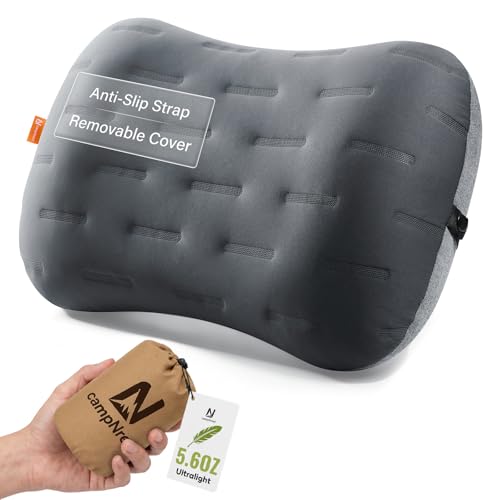
Best Backpacking Pillow Features
Your comprehensive guide to choosing the perfect backpacking pillow. We break down materials, weight, comfort, and key features so you can sleep soundly on the trail.
Shop Top-Rated PillowsWhy a dedicated backpacking pillow? A good night's sleep is crucial for performance and enjoyment on the trail. While a stuff sack full of clothes might work in a pinch, a purpose-built backpacking pillow offers superior comfort, support, and packability. This guide covers everything you need to know to choose the best pillow for your next adventure.
Key Features to Consider
When evaluating backpacking pillows, focus on these core attributes to find the best balance of comfort, weight, and durability for your needs.
Material & Comfort
Pillow materials range from soft, brushed polyester to durable nylon. Some pillows feature a microfiber or suede-like surface that feels warm and comfortable against the skin. Look for a material that is both comfortable and easy to clean.
Weight & Packability
For backpacking, every ounce matters. The best pillows are ultralight, often weighing between 2 to 6 ounces. Inflatable pillows are the most packable, compressing to the size of a small apple, while some hybrid options offer a balance of comfort and weight.
Support & Loft
Support is crucial for spinal alignment. Look for pillows with a contoured shape or an ergonomic design. Adjustable loft allows you to customize the height, which is especially important for side sleepers who need more height to fill the gap between head and shoulder.
Durability & Valves
A durable pillow can withstand the rigors of the trail. Look for reinforced seams and robust TPU (thermoplastic polyurethane) bladders in inflatable models. A high-quality, one-way or two-way valve ensures easy inflation and deflation without air leakage.
Cleanability
After a few nights on the trail, your pillow will get dirty. Removable and machine-washable covers are a huge plus. For inflatable pillows, a wipe-clean surface is also beneficial.
Size & Shape
Pillows come in various shapes (rectangular, contoured, or hourglass) and sizes. A wider or larger pillow offers more surface area, while a smaller one saves weight. Consider your sleeping style and head size when choosing.
Types of Backpacking Pillows
Understanding the different types of backpacking pillows will help you narrow down your choice based on your personal preferences and trip style.
Inflatable Pillows
These are the most popular choice for ultralight backpackers. They pack down tiny, weigh very little, and provide a surprising amount of support. The best inflatable pillows have a soft, fabric top for comfort and a reliable valve. Prices typically range from $20 to $60.
Compressible Pillows
These pillows are filled with synthetic insulation or shredded foam. They offer a more traditional "bed pillow" feel but are bulkier and heavier than inflatable options. They are a great choice if comfort is your top priority, and you're not counting every ounce. Prices range from $30 to $80.
Hybrid Pillows
Hybrid pillows combine an inflatable core with a layer of synthetic insulation on top. This gives you the best of both worlds: lightweight packability with a soft, cushioned feel. They often provide better comfort than pure inflatables without the bulk of a fully compressible pillow. Prices are generally in the $30 to $70 range.
Pillow Comparison: Key Features at a Glance
This table provides a quick overview of different pillow types and their key characteristics to help you compare.
| Feature | Inflatable | Compressible | Hybrid |
|---|---|---|---|
| Weight | Ultralight (2-4 oz) | Heavier (6-12+ oz) | Lightweight (4-7 oz) |
| Pack Size | Tiny | Large | Medium |
| Comfort | Good | Excellent | Very Good |
| Durability | Fair (puncture risk) | Good | Good |
| Price Range | $20 - $60 | $30 - $80 | $30 - $70 |
Expert Tips for Choosing Your Pillow
- Consider your sleeping style: Side sleepers need a higher loft to keep their neck aligned. Back sleepers need less loft, and stomach sleepers need the least. Look for pillows with adjustable loft.
- Don't forget the sleeping pad: A pillow works in tandem with your sleeping pad. If you have a thicker pad, you may need a pillow with a bit more height.
- Try before you buy (if possible): If you have a local gear shop, test out different pillows to see which shape and material feel best. Many online retailers also have good return policies.
- Think about durability: If you're a rough sleeper or often camp in rocky areas, a pillow with a tougher fabric and reinforced seams is a wise investment.
- Read reviews: Pay attention to reviews that mention long-term durability, valve reliability, and real-world comfort on the trail. This is invaluable for making an informed decision.
For more information on essential camping gear, check out our essential camping gear list. If you're planning a winter trip, don't miss our guide on winter camping gear. And to ensure a good night's sleep in colder conditions, read our advice on how to stay warm in winter. For those new to the outdoors, our camping for beginners guide is a great starting point.
If you are looking for a full sleep system, you might want to consider an all-in-one sleeping bag and mattress or a comfortable air mattress with memory foam topper. For more specific needs, see our camping cot and camping mats guides. If you are camping with a partner, you might also be interested in a double bed air mattress.