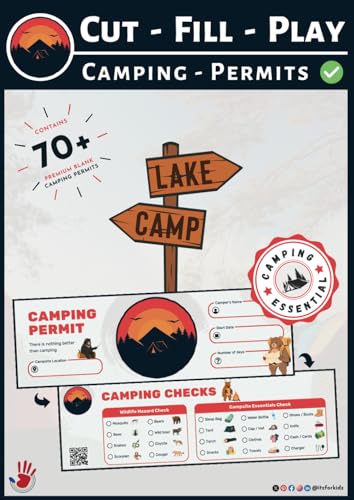
Camping Permits: The Essential Guide
Understand when you need a permit, how to apply, costs, and key rules. Don't let paperwork ruin your trip—plan ahead and camp legally.
Start LearningWhat's Inside This Guide
What Is a Camping Permit?
A camping permit is an official authorization issued by land management agencies (such as the BLM, National Park Service, or U.S. Forest Service) that grants you the legal right to camp in a specific area for a defined period. Permits help manage visitor numbers, protect fragile ecosystems, and ensure fair access to popular destinations. Without a valid permit, you could face fines, be asked to leave, or harm the environment.
When Do You Need a Camping Permit?
Not all camping requires a permit, but many popular and sensitive areas do. Here are the most common scenarios where you'll need one:
- National Parks & Monuments: Most national parks require backcountry permits for overnight stays outside designated campgrounds. Camping regulations vary by park.
- Wilderness Areas: Designated wilderness often has quota systems to limit use. Permits are typically required for both day hikes and overnight trips.
- BLM & Forest Service Lands: While many areas allow dispersed camping without a permit, some high-use zones and designated sites require a permit or reservation.
- State Parks & Local Reserves: Many state parks require a permit or reservation for camping, especially during peak season.
- Special Events or Group Camping: Group sizes over a certain number (often 8–12 people) may require a special permit.
To avoid surprises, always check the official website of the land management agency for the area you plan to visit. Camping FAQ is also a great resource for common questions.
Where to Get Camping Permits
Permits are issued by different agencies depending on the location. Here's where to look:
Recreation.gov
The central reservation system for many federal lands, including national parks, forests, and BLM sites. You can reserve campgrounds and some backcountry permits here.
National Park Service
Each park has its own permit system. Some are available online, others require in-person pickup at a visitor center.
U.S. Forest Service
Many national forests issue permits through local ranger stations. Some wilderness areas use a lottery system.
State Parks
Most state parks have their own reservation websites or allow walk-in permits at the park office.
For popular destinations like Yosemite or Rocky Mountain National Park, permits can sell out months in advance, so plan early.
Cost of Camping Permits
Permit costs vary widely, from free to over $100 depending on the location, duration, and type of permit. Here's a general breakdown:
- Free: Some dispersed camping areas and wilderness permits are free (e.g., many BLM lands). However, you may still need to register.
- $5–$20: Many national forest and state park backcountry permits are in this range per person per night.
- $20–$50: Popular national parks (e.g., Glacier National Park) often charge $10–$25 per person per night.
- $50+: Special permits for large groups, commercial use, or exclusive access (like some river permits) can cost more.
Additionally, many permits include a non-refundable reservation fee (usually $5–$10) plus the per-person nightly fee. Always check the latest fees on the official site.
How to Apply for a Camping Permit (Step by Step)
- Research: Visit the official website of the land management agency for the area you plan to visit. Understand the type of permit you need (e.g., backcountry, group, day-use).
- Check Availability: Many permits are limited and released on a specific date (e.g., 6 months in advance). Mark your calendar and apply early, especially for popular trails like the Smoky Mountains.
- Apply Online or In Person: Most permits can be obtained through Recreation.gov, the park's website, or by visiting a ranger station. Some require a lottery or walk-in only.
- Pay Fees: Complete payment online or at the issuing office. Keep your confirmation email or receipt.
- Pick Up Your Permit: Many locations require you to pick up the physical permit in person before your trip. Bring your ID and any required documentation.
- Follow Rules: Read and understand the permit conditions. This includes staying in designated areas, using bear-resistant food storage, and following fire regulations (campfire regulations).
Types of Camping Permits
Permits come in several forms, each designed for different camping styles and needs:
- Backcountry/Wilderness Permits: For overnight stays outside developed campgrounds. Often require bear canisters and specific campsite reservations.
- Group Permits: For groups larger than the standard limit (usually 8–12 people). May require additional safety plans and fees.
- Day-Use Permits: Some high-traffic areas require a permit even for day hiking (e.g., Joshua Tree during peak bloom).
- Vehicle Permits: Certain off-road or backcountry driving areas require a permit for your vehicle.
- Commercial Permits: For guides, outfitters, or any commercial activity in the wilderness.
- Special Use Permits: For events, weddings, or filming in public lands.
Understanding which type you need will streamline your application process. When in doubt, call the local ranger station for guidance.
Key Rules & Regulations for Permit Holders
Holding a permit comes with responsibilities. Here are the most important rules to follow:
- Stay in Designated Areas: Camp only where your permit allows. Do not set up camp outside the designated zone.
- Food Storage: In bear country, use approved bear canisters or bear bags. Follow the food storage rules strictly.
- Campfire Rules: Follow all fire restrictions. Some areas ban campfires entirely during dry seasons. Check fire ban guide before lighting a fire.
- Leave No Trace: Pack out all trash, minimize campfire impacts, and respect wildlife. For more, see our Leave No Trace guide.
- Group Size Limits: Do not exceed the number of people listed on your permit. Group size limits protect the wilderness experience for everyone.
- Stay Duration: You must leave by the date specified on your permit. Overstaying can result in fines and a ban from future permits.
- Quiet Hours: Respect quiet hours (usually 10 PM – 6 AM) and keep noise levels down.
Ignorance of the rules is not an excuse. Read your permit carefully and ask the issuing office if you have any questions.
Frequently Asked Questions About Camping Permits
Do I need a permit for dispersed camping on BLM land?
In most cases, no. But some popular BLM areas have restrictions. Always check with the local field office.
Can I get a permit on the day of my trip?
It depends. Many locations release a limited number of walk-up permits, but they are first-come, first-served. It's risky for popular destinations.
What happens if I camp without a permit?
You could be fined, asked to leave, and banned from that area. In some cases, it can lead to legal action. It also harms the environment.
Are permits transferable?
Usually not. The permit is issued to the lead individual, and they must be present. Some permits allow changes, but it's best to contact the issuing office.
How far in advance should I apply?
For popular parks, apply as soon as the window opens (often 3–6 months in advance). For less crowded areas, a few weeks may be enough.
Do I need a separate permit for fishing or hunting while camping?
Yes. Fishing and hunting have their own licensing requirements. A camping permit does not cover these activities.
For more answers, visit our Camping FAQ page.
Ready to Plan Your Trip?
Get your permits early, pack the right gear, and enjoy the great outdoors responsibly. Start with these essential resources: