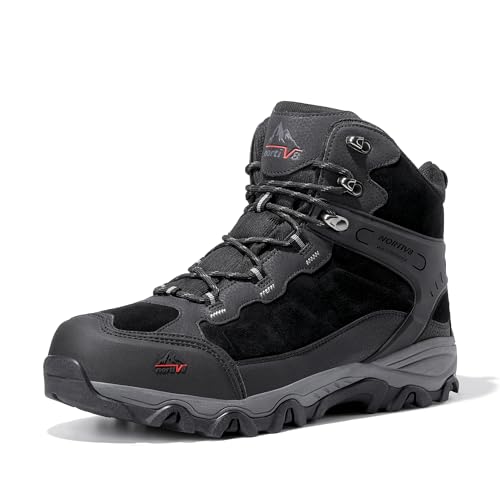
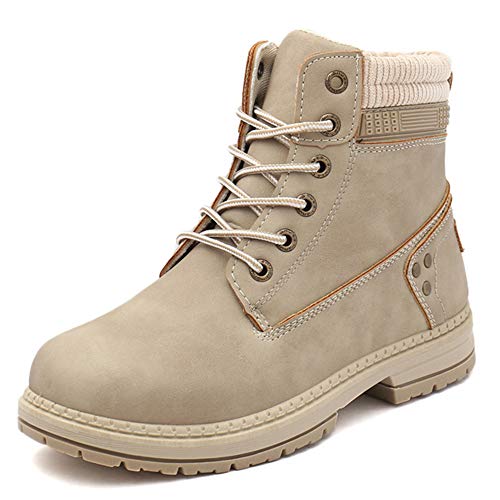
Best Camping Boots Guide: Waterproof, Insulated, & Durable
Explore our in-depth guide to the best camping boots. From waterproof hiking boots to insulated winter footwear, find the perfect pair for your next outdoor adventure.
Shop Top PicksYour Feet Are Your Most Important Camping Gear. Whether you're trekking through muddy trails, crossing rocky streams, or keeping warm at a winter campsite, the right camping boots make all the difference. This guide covers everything you need to know—from materials and insulation to fit and waterproofing—so you can make an informed choice and buy with confidence.
Why Choosing the Right Camping Boots Matters
Camping boots are more than just footwear; they are your primary defense against the elements. Ill-fitting or inappropriate boots can lead to blisters, cold feet, and even injuries, turning a memorable trip into a painful ordeal. The best camping boots provide:
- Protection: From sharp rocks, roots, and uneven terrain.
- Comfort: Cushioning and support for long days on your feet.
- Traction: Reliable grip on wet or slippery surfaces.
- Weather Resistance: Keeping your feet dry and warm in rain or snow.
Investing in a quality pair of camping boots is one of the best decisions you can make for your outdoor comfort and safety. For more essential gear, check out our Essential Camping Gear List to ensure you're fully prepared.
Key Features of Quality Camping Boots
🥾 Waterproofing
Look for boots with breathable waterproof membranes like Gore-Tex or proprietary technologies. This keeps water out while allowing moisture to escape, preventing sweaty, cold feet.
🧊 Insulation
For colder weather, insulation (e.g., PrimaLoft, Thinsulate) traps heat. The right level depends on your climate—light insulation for fall, heavier for winter camping.
👣 Traction & Outsole
Deep lugs and durable rubber compounds (like Vibram) provide grip on mud, snow, and rock. Good traction is critical for safety on uneven or slick terrain.
🏔️ Ankle Support
Mid to high-top boots offer essential ankle stability, especially when carrying a heavy pack. They help prevent sprains and provide confidence on challenging trails.
Types of Camping Boots
Choosing the right type depends on your camping style and the terrain you'll encounter.
- Lightweight Hiking Boots: Ideal for well-maintained trails and fair weather. They're flexible and comfortable but offer less support and protection.
- Backpacking Boots: Built for rugged terrain and carrying heavy loads. They are stiffer, offer more ankle support, and often have better waterproofing.
- Winter Camping Boots: Heavily insulated with specialized outsoles for snow and ice. They're designed for cold, wet conditions and may be compatible with crampons.
- Waterproof Trail Shoes: A low-cut option that provides good traction and water resistance for summer camping or day hikes.
If you're planning a winter adventure, you'll want to ensure your boots are compatible with other cold-weather gear. Explore our Winter Camping Gear guide for a complete system.
Top Camping Boots Comparison
| Model | Best For | Waterproof | Insulation | Weight (per pair) | Price Range |
|---|---|---|---|---|---|
| Merrell Moab 3 | Light hiking & warm weather | ✓ (Gore-Tex) | Light | ~2.2 lbs | $140–$160 |
| Salomon X Ultra 4 | Trail hiking & pack carrying | ✓ (Gore-Tex) | Light | ~2.3 lbs | $160–$190 |
| Columbia Bugaboot Plus IV | Winter camping & snow | ✓ (Omni-Tech) | 200g Thinsulate | ~3.0 lbs | $100–$130 |
| Keen Targhee III | Wet conditions & durability | ✓ (Keen.Dry) | Light | ~2.4 lbs | $145–$165 |
| Oboz Bridger B-DRY | Rugged backpacking | ✓ (B-DRY) | Medium | ~2.5 lbs | $180–$210 |
* Prices are approximate and may vary. These boots are popular choices among campers for their reliability and performance.
How to Choose the Right Camping Boots
Pro Tip: Try Before You Buy
Always try on boots with the socks you plan to wear. Walk on an incline and ensure there's a thumb's width of space between your longest toe and the end of the boot. This prevents black toenails on descents.
When selecting camping boots, consider the following:
- Fit & Comfort: The most important factor. Boots should be snug in the heel and roomy in the toe box.
- Terrain & Weather: Match the boot's features to your primary camping environment. Waterproof is essential for wet areas, while insulation is key for cold climates.
- Weight & Support: Heavier boots provide more support but can tire you out. Choose based on the load you'll carry and the distance you'll hike.
- Durability: Look for high-quality materials and sturdy construction. Leather and synthetic combinations often offer a good balance.
For those new to camping, our Camping for Beginners guide offers additional tips on gearing up for your first trip.
Care and Maintenance Tips
Extend the life of your camping boots with these simple practices:
- Clean After Each Trip: Remove dirt and mud with a soft brush. Use mild soap and water for tougher grime.
- Dry Properly: Remove insoles and let boots air dry at room temperature. Never use direct heat (e.g., a dryer or fire), as it can damage materials.
- Re-Waterproof: Apply a suitable waterproofing treatment periodically, especially before wet-weather trips.
- Inspect and Repair: Check for loose soles or damaged laces and fix them promptly to avoid issues on the trail.
Good care ensures your boots remain reliable trip after trip. Discover more camping essentials in our Camping Comfort guide.