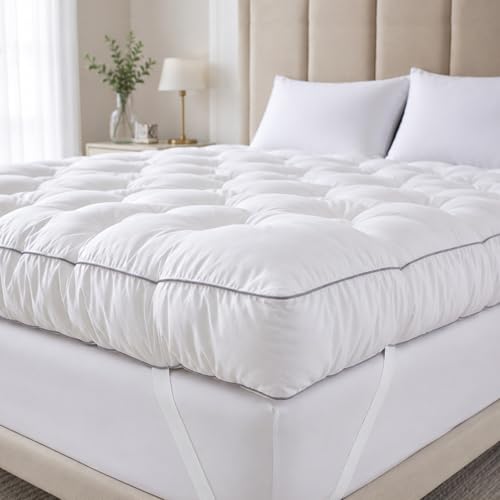
Memory Foam Mattress Topper for Bad Back: The Definitive Buying Guide
Wake up pain-free. Learn exactly how to choose the perfect memory foam topper to alleviate back pain, support your spine, and transform your sleep quality.
VIEW RECOMMENDED TOPPERSOur Testing Philosophy: We evaluate mattress toppers based on firmness, density, pressure relief, and durability. A bad back requires specific support—this guide cuts through the marketing noise to help you find genuine, lasting relief.
How a Memory Foam Topper Eases Back Pain
Back pain often stems from a mattress that's either too soft or too firm. A worn-out mattress allows the spine to sag, straining muscles and ligaments. A quality memory foam mattress topper for bad back acts as a corrective layer. It uses viscoelastic foam that reacts to body heat and weight, molding precisely to your lumbar curve. This cradling effect promotes neutral spinal alignment from your neck to your tailbone. Unlike a standard mattress topper, a high-density memory foam option actively distributes your weight, eliminating pressure points on the hips and shoulders—two major culprits of tossing and turning. For those who aren't ready to invest in an entirely new mattress, a premium topper is a cost-effective, scientifically-backed solution to manage and reduce chronic back discomfort.
The Critical Role of Firmness and Density
Choosing the right firmness is non-negotiable for back pain sufferers. A topper that is too plush (under 3.5 lbs/ft³ density) may feel cozy initially, but it will quickly collapse under your midsection, causing your spine to form a painful "U" shape. For therapeutic relief, look for a medium-firm feel, typically with a density of 4 to 5 lbs/ft³. This provides the necessary resistance to keep the spine elevated and aligned. High-density foam also offers superior durability, resisting sagging for years. It's a common misconception that a soft surface is best for a bad back; in reality, the push-back support from a high-density, medium-firm topper is what actively holds your body in a healing, anatomically correct position throughout the night.
While a topper significantly improves home sleep quality, maintaining spinal health is equally crucial during outdoor adventures. Many of the same principles of firmness and support apply when selecting camping mats and pads. An unsupportive night's sleep in the wilderness can trigger the same back issues you're trying to solve at home, making your choice of gear a vital part of overall wellness.
5 Essential Features to Look For
1. Thickness (3-4 Inches)
A 3 to 4-inch profile is the sweet spot. A 2-inch topper may not provide enough contouring for an adult's weight, while a 4-inch layer delivers deep compression support for pronounced lumbar pain.
2. High-Density Foam (4+ lbs/ft³)
Density directly correlates with support and longevity. High-density foam (4-5 lbs) offers robust, lasting support that won't flatten out. This is the core of a therapeutic topper for back pain.
3. Cooling Gel Infusion
Traditional memory foam can trap heat. Gel-infused or copper-infused foams dissipate body heat, ensuring a cool, comfortable sleep, which is vital for preventing muscle stiffness triggered by overheating.
4. Ergonomic Zoning
Advanced toppers feature zoned support with firmer foam under the back and softer foam under the shoulders. This targeted design is exceptionally effective for relieving specific pressure points.
5. Breathable, Non-Slip Cover
A removable, machine-washable bamboo or cotton cover with non-slip backing keeps the topper securely in place and maintains hygiene—a must for managing allergens and dust mites.
Firmness & Thickness: A Comparison Guide
The table below outlines the general guidelines for selecting a mattress topper based on your primary sleep position and the severity of your back pain. Remember, these are starting points; personal preference and body weight also play significant roles.
| Sleep Position | Recommended Firmness | Ideal Thickness | Key Benefit for Back Pain | Price Range |
|---|---|---|---|---|
| Back Sleeper | Medium-Firm | 3-4 Inches | Maintains natural lumbar curve, prevents sinking. | $150–$350 |
| Side Sleeper | Medium | 3-4 Inches | Cushions hips and shoulders, aligns spine laterally. | $180–$400 |
| Stomach Sleeper | Firm | 2-3 Inches | Prevents hips from dipping, which hyperextends the spine. | $120–$300 |
| Combination Sleeper | Medium-Firm | 3 Inches | Balanced support for dynamic movement throughout the night. | $160–$380 |
*Prices are approximate market values for Queen-size toppers and are subject to change based on brand and promotions.
For side sleepers, the need for targeted pressure relief is especially acute. The wrong surface can compress nerves in the hip and shoulder, radiating pain to the lower back. A medium-plush topper with gel infusion works well here. This need for specialized support extends to other sleep-related gear; for example, a camping pillow that properly fills the gap between your ear and shoulder is essential for maintaining cervical alignment and preventing neck- and upper-back strain, whether you are in bed or under the stars.
Why 3 Inches is the Minimum for Real Relief
You will encounter many 2-inch toppers marketed as "back pain solutions," but they often fall short for individuals weighing over 130 pounds. A 2-inch layer quickly bottoms out under concentrated weight, transferring pressure directly to the old, unsupportive mattress below. A 3 to 4-inch topper provides a sufficient "support column" that fully cradles the body without collapsing. This extra depth allows the memory foam to perform its full range of contouring, absorbing movement and preventing your partner's motions from disturbing your rest. If you suffer from moderate to severe back pain, investing in a 3-inch or 4-inch high-density topper is the single most impactful decision you can make for your sleep health outside of buying a new mattress.
Gel Infusion: More Than Just a Buzzword
Pain and heat are interconnected. A warm sleeping environment can increase cortisol levels and muscle tension, undoing the therapeutic benefits of your topper. Gel memory foam serves a dual purpose. The gel beads or liquid gel infused into the foam actively conduct heat away from the body, maintaining a neutral temperature surface. Moreover, this infusion technology can enhance the foam's structural integrity, ensuring that the mattress topper maintains its medium-firm feel and doesn't soften excessively during a warm night. For those who wake up with a stiff, achy back, a cooling gel topper can be the missing link between restorative sleep and morning discomfort.
Maximizing the Benefits of Your Topper
Simply unrolling a new topper is the first step. To ensure it provides optimal back support for years, consider these practical setup and maintenance tips:
- Allow Full Expansion: Unbox your topper immediately and let it expand in a well-ventilated room for 48–72 hours. High-density foam needs this time to fully regain its shape.
- Use a Supportive Base: A topper cannot fix a severely sagging foundation. Place it on a mattress that is structurally sound. A camping cot or a supportive bed frame is crucial; a topper on a bowed surface will only conform to the dip.
- Rotate Regularly: Rotate the topper 180 degrees every three months. This prevents permanent body impressions in the lumbar area, ensuring even wear and consistent back support.
- Protect with a Cover: Always use the included (or a high-quality) waterproof, breathable cover. Dust, spills, and sweat degrade the memory foam's cell structure over time.
- Pair with a Supportive Pillow: Back alignment is a system. Your topper cradles the lower spine, but your pillow must support the neck's natural curve to prevent upper back and shoulder pain from developing.
For those transitioning from a very soft sleeping surface, a brief adjustment period of 1–2 weeks is normal. Your muscles, which are accustomed to a collapsed posture, will need time to relax into a properly supported position. You may notice a gentle, therapeutic stretching sensation in your lower back during this period—a sign that the topper is actively facilitating spinal decompression.
The quest for a pain-free night's sleep often leads people to explore various foam densities and formulations. You might find that your needs align closely with an extra firm mattress topper for back pain, particularly if you sleep predominantly on your back or stomach and require minimal sinkage. This guide provides a direct comparison to help you understand whether firm or medium-firm is the right path for your specific diagnosis and comfort preferences.