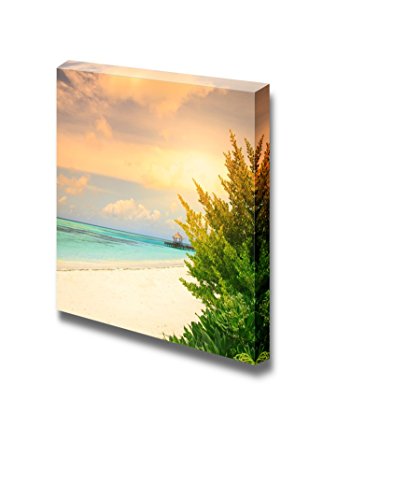
Bungalows on the Water: The Complete Overwater Camping Guide
Discover the magic of sleeping above calm waters. From floating tents to overwater bungalows, learn everything you need to plan an unforgettable waterfront adventure.
Start ExploringWhy bungalows on the water? There is something undeniably magical about waking up to the gentle lapping of waves beneath your floor. Overwater bungalows and floating accommodations have transformed from a niche luxury into an accessible adventure for campers, glampers, and outdoor enthusiasts alike. Whether you are seeking a romantic getaway, a family-friendly lake camping experience, or a solo retreat into nature, waterfront bungalows offer a unique blend of comfort and immersion that traditional campsites simply cannot match.
What Are Bungalows on the Water?
Bungalows on the water are accommodations built directly over or floating upon a body of water, such as a lake, lagoon, river, or calm coastal bay. Unlike traditional beach camping where you pitch a tent on sand, these structures elevate your experience by placing you literally above the water's surface. The concept originated in tropical destinations but has since spread to freshwater lakes, reservoirs, and even slow-moving rivers across the globe.
For campers, the appeal is clear: you get the immersion of wild camping with the comfort of a solid structure. Many modern overwater bungalows feature solar power, composting toilets, and modular designs that minimize environmental impact. This makes them an excellent choice for those who want to enjoy Leave No Trace principles while still having a roof over their heads.
The Spectrum of Overwater Accommodations
Not all bungalows on the water are created equal. Understanding the different tiers helps you choose the right option for your adventure style and comfort preferences.
Floating Tents & Rafts
These are the most accessible option for adventurous campers. A floating tent typically consists of a durable inflatable platform with a tent structure on top. They are lightweight, portable, and can be deployed on calm lakes and slow rivers. Entry-level models prioritize portability over luxury, often requiring manual inflation and offering minimal built-in amenities. They are ideal for weekend trips and budget-conscious adventurers who prioritize the experience over comfort.
Stationary Overwater Cabins
Mid-range bungalows on the water are permanent or semi-permanent structures anchored to the shoreline or lakebed. These typically include basic furniture, a small deck, and sometimes a simple kitchenette. They offer a significant step up in comfort compared to floating tents, with sturdy walls, proper doors, and often a small bathroom or composting toilet. Many mid-tier options are located in managed campgrounds or eco-resorts, providing access to shared facilities and activities.
Full-Service Overwater Villas
At the premium end, overwater bungalows rival high-end hotel suites. These luxury structures feature glass floors, private plunge pools, air conditioning, full bathrooms, and dedicated butler service. While they may seem far removed from traditional camping, many luxury overwater resorts now offer "glamping" packages that include guided kayaking, snorkeling, and nature tours. These are best suited for special occasions, honeymoons, or travelers who want nature immersion without sacrificing modern comforts.
Key Features to Look For in Water Bungalows
When evaluating bungalows on the water, several critical features determine your overall experience. Use this checklist to compare options effectively.
Stability & Anchoring
The best overwater bungalows use multiple anchoring points or heavy-duty mooring systems to prevent drift and rocking. Entry-level floating tents may rely on a single anchor, while premium structures are permanently fixed to pilings or the lakebed.
Water Access & Safety
Look for built-in ladders, swim platforms, and safety railings. If you plan to swim or snorkel directly from your bungalow, ensure the water depth and currents are suitable. A water filtration system is also valuable if you intend to use lake water for cooking or cleaning.
Power & Lighting
Off-grid overwater bungalows often rely on solar chargers and power banks. Premium options may have integrated solar panels and battery storage. Portable solar lights are essential for evening ambiance and safety.
Climate Control
In warmer climates, ventilation and shade are critical. Look for bungalows with cross-ventilation, ceiling fans, or reflective roofing. In cooler regions, consider diesel heaters or camping fans depending on the season.
Sanitation & Hygiene
Eco-friendly composting toilets are common in mid-range and premium overwater bungalows. Some locations offer campsites with showers nearby. Always confirm waste management practices to ensure they align with Leave No Trace principles.
Access & Transport
How will you reach your bungalow? Some are accessible by kayak, paddleboard, or small boat. Others have dedicated walkways from shore. If you are bringing gear, consider a canoe or kayak for easy transport. For remote locations, a satellite communicator is a smart safety investment.
Cooking Facilities
Many overwater bungalows include a small deck suitable for a propane camping stove or camping pot. Always check fire regulations before cooking on an open flame over water. For no-fire options, consider food to eat while camping without fire.
Recreation Access
Prime overwater bungalows are located near excellent fishing, swimming, and paddling spots. If fishing is your priority, bring a fishing pole bag and check local licensing requirements. For winter anglers, winter fishing gear may be necessary.
Pros and Cons of Overwater Bungalows
Like any accommodation choice, bungalows on the water come with distinct advantages and trade-offs. Weigh these carefully before booking.
Advantages
- Unmatched immersion in nature with water views and sounds
- Excellent for stargazing and dark sky parks
- Natural cooling effect from water breezes
- Great for swimming, kayaking, and fishing right from your doorstep
- Often more private than traditional campsites
- Unique experience that creates lasting memories
- Many are eco-friendly and off-grid
Considerations
- Limited accessibility for those with mobility challenges
- Weather-dependent; storms and high winds can be risky
- Potential for seasickness or discomfort from rocking
- Limited space and storage compared to land-based cabins
- Higher maintenance and environmental impact concerns
- May require special permits or reservations
- Not ideal for winter camping in freezing climates
💡 Pro Tip: Weather Planning
Always check weather forecasts before committing to an overwater bungalow. Calm, clear days are ideal, but sudden storms can turn a peaceful stay into a challenging one. Pack a weather alert system and have a backup plan for evacuation if conditions deteriorate. For winter destinations, review winter weather alerts and frozen lake safety guidelines.
Best Destinations for Water Bungalows
While overwater bungalows are most famous in tropical locales like the Maldives and Bora Bora, there are excellent options closer to home for North American campers and adventurers.
United States
Several US destinations offer overwater or waterfront bungalow experiences that rival international options. Florida Springs offer crystal-clear waters perfect for floating accommodations, while lake camping destinations in the Midwest and Northeast provide calm freshwater settings. Zion National Park camping and Yellowstone camping may not have overwater bungalows, but nearby reservoirs and rivers often feature floating cabins. For a truly unique experience, explore beach camping along the California coast or the Oregon coast.
International Destinations
If you are willing to travel, the world is your oyster. Top 10 places to visit in the world often include overwater bungalow destinations. Southeast Asia, the South Pacific, and the Caribbean remain the gold standard. For adventurous campers, winter camping in Greenland offers a completely different take on overwater accommodations—think ice fishing huts and floating cabins surrounded by icebergs.
Campgrounds with Water Access
Many traditional campgrounds offer waterfront sites that provide a similar experience to overwater bungalows at a fraction of the complexity. Look for campsites with showers and water access. Beech Fork Campground and Wild Acres Campground are examples of campgrounds with water features. For a more rustic experience, consider dispersed camping in Superior National Forest, where you can camp near pristine lakes and paddle to your own private spot.
How to Choose the Right Water Bungalow
Selecting the perfect bungalow on the water depends on your priorities, experience level, and budget. Here is a step-by-step framework to guide your decision.
- Define Your Comfort Level: Are you comfortable with minimal amenities, or do you need a proper bed and bathroom? Entry-level floating tents suit adventurous campers, while premium overwater villas cater to those who want luxury.
- Consider Your Group: Solo travelers may prefer compact, easy-to-handle floating tents. Families with children should prioritize safety features like railings, shallow water access, and stable platforms. Couples might enjoy the privacy and romance of a secluded overwater cabin.
- Check Accessibility: How will you get to the bungalow? If you need to paddle, ensure you have the right equipment. A canoe or kayak is essential for many floating options. For those with limited mobility, choose bungalows with walkway access from shore.
- Review Safety Features: Look for life jackets, fire extinguishers, first aid kits, and emergency communication devices. A camping first aid kit and emergency SOS signals are non-negotiable for remote water locations.
- Plan for Power and Water: Off-grid bungalows require careful power management. Bring power banks, solar chargers, and a portable power station if needed. For drinking water, a water filter or camping water filter is essential.
- Respect the Environment: Choose bungalows that follow Leave No Trace principles. Avoid options that discharge waste directly into the water. Support eco-friendly operators who prioritize conservation.
Essential Gear for Overwater Bungalow Camping
Even if your bungalow comes equipped with amenities, certain gear will enhance your experience and safety. Here is a curated list of essentials.
Sleeping & Comfort
- Sleeping Pad or Air Mattress: Even if the bungalow has a bed, an extra air bed with built-in electric pump can add comfort. For backpackers, a lightweight air mattress is ideal.
- Sleeping Bag: Choose a bag rated for the expected temperature. For cold-water destinations, a heated sleeping bag or winter sleeping bag may be necessary.
- Pillows: A camping pillow or compact travel pillow adds a touch of home.
- Blankets: A camping blanket or battery-operated blanket is perfect for cool evenings on the deck.
Cooking & Dining
- Stove: A propane camping stove or winter camping stove for preparing meals. Check fire regulations before use.
- Cookware: A compact camping cookware set and camping kettle cover most cooking needs.
- Cooler: A camping cooler keeps food fresh. For extended trips, a cooler that plugs into car lighter or portable fridge is a game-changer.
- Water Storage: Bring a camping pot for boiling water and a water filter for purifying lake water.
Safety & Navigation
- Life Jackets: Mandatory for everyone, even strong swimmers.
- First Aid Kit: A well-stocked camping first aid kit with supplies for common camping injuries.
- Communication: A satellite communicator or two-way radios for emergencies. Learn emergency SOS signals.
- Navigation: A digital compass or handheld GPS for exploring nearby waters.
- Lighting: Portable solar lights, camping lanterns, and headlamps for safety after dark.
Recreation & Fun
- Kayak or Canoe: A canoe or kayak opens up exploration possibilities.
- Fishing Gear: A fishing pole bag and tackle for anglers. Check winter fishing gear if applicable.
- Snorkeling Gear: If the water is clear, bring snorkeling equipment for underwater exploration.
- Games: Waterproof playing cards, a camping sofa for lounging, or a hammock that can be used as a tent for relaxation.
Floating Tents: The Ultimate Lightweight Overwater Option
For campers who want the overwater experience without the permanence of a bungalow, floating tents are an excellent entry point. These innovative shelters combine an inflatable raft base with a tent canopy, allowing you to sleep directly on calm water.
Floating tents are best suited for protected lakes, slow-moving rivers, and calm bays. They are not designed for open ocean or rough conditions. When choosing a floating tent, prioritize stability, durability, and ease of inflation. Many models can be inflated with a manual air mattress hand pump or electric air pump for inflatables.
One of the biggest advantages of floating tents is their portability. They pack down small enough to fit in a camping backpack with tent and sleeping bag, making them ideal for backpacking for beginners who want to try overwater camping. However, they lack the amenities of stationary bungalows, so you will need to bring your own camping tent and sleeping bag combo or similar gear.
💡 Floating Tent Safety Tip
Always tether your floating tent to shore or a fixed anchor. Never use a floating tent in water deeper than you are comfortable swimming, and always wear a life jacket when boarding or exiting. Check frozen lake safety guidelines if camping in cold conditions, and review ice fishing safety if you plan to combine activities.
Legal and Environmental Considerations
Before you book or build an overwater bungalow, understand the legal landscape. Many jurisdictions have strict regulations about structures built over water, including permits, environmental impact assessments, and waste management requirements.
In the United States, BLM camping rules, national park rules, and state park rules vary widely. Some areas prohibit permanent structures on water, while others allow floating cabins with proper permits. Always check with local authorities before planning your trip.
Environmental stewardship is paramount. Overwater structures can impact aquatic ecosystems, fish habitats, and water quality. Choose operators who use sustainable materials, minimize waste, and follow Leave No Trace principles. Avoid any bungalow that discharges untreated waste into the water.
If you are building your own floating bungalow or floating tent, research local fire ban guides and wildfire prevention guidelines if you plan to cook or have a campfire. Use a portable wood stove tent heater only in approved areas and always follow campfire safety rules.
Ready to Experience Bungalows on the Water?
Browse our recommended overwater camping gear and essentials to make your next waterfront adventure unforgettable. From floating tents to portable power stations, we have you covered.
Shop Recommended Gear