Food to Eat While Camping Without Fire
Delicious, safe, and satisfying no-cook meal ideas for fire bans, rainy days, and ultralight adventures. Eat well without ever striking a match.
Why Go Fire-Free? Whether you're camping during a fire ban, caught in unexpected rain, or simply want to minimize your impact, a no-cook menu keeps you fed, safe, and energized. This guide covers practical meals, smart packing, and the gear that makes fire-free dining effortless.
Why No-Cook Camping Food Makes Sense
Camping without a fire is not a compromise — it's a strategy. Fire bans are increasingly common across the American West and beyond, especially during dry seasons. Even when fires are allowed, sometimes the effort of gathering wood, building a safe campfire, and cleaning up afterward just isn't worth it after a long day of hiking.
No-cook meals also shine during winter camping when melting snow and managing fuel becomes a chore, or on weekend camping trips where simplicity matters most. For backpackers, eliminating stove fuel and cookware can shave pounds off a pack. And for families, no-cook food means kids can eat the moment hunger strikes — no waiting for water to boil.
The key is planning. Without heat, you rely on shelf-stable ingredients, proper food storage, and a menu that satisfies both nutrition and cravings. The sections below break it all down.
No-Cook Breakfast Ideas
Overnight Oats
Prepare in a jar before you leave home or at camp. Rolled oats, powdered milk, chia seeds, and dried fruit soak overnight into a creamy, filling breakfast.
- Rolled oats + powdered milk
- Chia or flax seeds
- Dried cranberries or raisins
- Cinnamon or honey packet
Peanut Butter Banana Wraps
Spread peanut butter on a tortilla, add a banana, drizzle honey, and roll. Dense, portable, and packed with protein and potassium.
- Whole wheat tortillas
- Nut butter packets
- Fresh bananas (eat early in trip)
- Honey or maple syrup
Greek Yogurt Parfait
If you have a cooler that plugs into your car lighter, bring Greek yogurt, granola, and berries for a fresh, protein-rich start.
- Greek yogurt cups
- Granola or muesli
- Fresh or freeze-dried berries
- Nuts and seeds
No-Cook Lunch Options
Classic Trail Mix & Jerky Plate
A reliable combination of nuts, dried fruit, seeds, and jerky. Add cheese sticks and crackers for a satisfying midday meal.
- Mixed nuts and seeds
- Beef or turkey jerky
- Dried mango or apricots
- Hard cheese and crackers
Tuna Salad Wraps
Use foil-pack tuna, mayonnaise packets, and relish to make tuna salad right in the pouch. Scoop into tortillas or eat with crackers.
- Foil-pack tuna or salmon
- Mayo and relish packets
- Tortillas or pita bread
- Salt, pepper, onion powder
Charcuterie Board
Elevate lunch with cured meats, aged cheeses, olives, nuts, and dried fruit. Perfect for a leisurely lake camping afternoon.
- Salami, prosciutto, or chorizo
- Aged cheddar or gouda
- Olives and pickles
- Artisan crackers
No-Cook Dinner Solutions
Dinner without fire is where planning pays off most. Focus on meals that feel substantial and comforting, even when served cold. For group trips, consider dinner ideas for camping with a group that can be assembled buffet-style.
Cold Ramen Salad
Crush instant ramen noodles (discard or save seasoning), mix with shredded cabbage, carrots, and a sesame-soy dressing. Let it marinate in a sealed bag.
- Instant ramen noodles
- Coleslaw mix
- Soy sauce and sesame oil packets
- Peanuts for crunch
Bean & Corn Salad
Canned beans, corn, diced peppers, and lime-cilantro dressing. Hearty, colorful, and full of fiber. Serve with tortilla chips.
- Canned black beans or chickpeas
- Canned corn
- Lime juice and cilantro
- Tortilla chips
Pre-Cooked Grain Bowl
Pack pre-cooked quinoa or farro, roasted vegetables, and a protein like smoked salmon or grilled chicken. Keep chilled in a quality cooler.
- Pre-cooked quinoa or farro
- Roasted peppers and zucchini
- Smoked salmon or chicken
- Tahini or pesto dressing
Snacks & Energy Boosters
Snacks keep morale high and energy steady. Choose items that won't melt, crush, or spoil. For hot-weather trips, avoid chocolate unless you have a reliable cooler. If you're carrying a pack, consider what to bring on a hiking trip as a companion guide for day-trip snacks.
Energy Bars & Fruit Leather
Store-bought granola bars, fruit leather, and applesauce pouches are lightweight, mess-free, and kid-friendly.
Trail Mix Custom Blend
Build your own mix with almonds, cashews, pumpkin seeds, dried blueberries, and dark chocolate chips (if temperatures allow).
Freeze-Dried Fruit & Nut Butter Pouches
Freeze-dried strawberries and raspberries add a tart crunch. Pair with squeeze pouches of almond or cashew butter for satisfying fat and protein.
No-Cook Drinks & Hydration
Staying hydrated matters even more when you're not cooking. If you're camping in cold weather, warm drinks are possible without fire using a thermos filled at home — see winter hot drinks recipes for inspiration. In warm weather, focus on electrolyte replacement and cold infusions.
Electrolyte Water
Powdered electrolyte packets mix into any water bottle. Essential for hot climates and strenuous activity.
Cold Brew Coffee Packets
Steep cold brew packets in water overnight for smooth, low-acid coffee without a stove. Works with any water filter-treated water.
Infused Water
Add cucumber, lemon, mint, or berries to a large water bottle. Refreshing and visually appealing for glamping setups.
Packing & Storage for No-Cook Food
Without heat, food safety becomes your top priority. Perishables must stay below 40°F (4°C) or be consumed quickly. Shelf-stable items are your safest bet. If you're car camping, a cooler that plugs into your car lighter or a portable fridge extends your menu options dramatically.
Essential No-Cook Gear Checklist
- Insulated cooler with ice packs
- Leak-proof containers and zip bags
- Reusable cutlery and bowls
- Hand sanitizer and wipes
- Trash bags (pack it out)
- Can opener and scissors
- Cutting board (small, flexible)
- Thermos for hot or cold drinks
For bear country, follow strict food storage rules — hang or lock all scented items, including no-cook meals, toothpaste, and wrappers. Never store food in your tent. Review wildlife safety camping guidelines before your trip.
💡 Pro Tip: Repackage everything at home. Remove bulky boxes, combine ingredients, and pre-portion meals into single-use bags. This saves pack space, reduces trash, and makes camp cooking (or not cooking) faster. Label each bag with contents and date.
Building a No-Cook Meal Plan
A good no-cook plan balances macronutrients, minimizes weight, and accounts for trip length. For a 2–3 day trip, fresh items like apples, carrots, and hard cheese are fine. For longer trips, rely on dehydrated, freeze-dried, and canned goods. If you're new to camping, start with a first time camping tips guide and keep meals simple.
Consider the season. Summer camping demands extra caution with perishables, while fall camping offers cooler temperatures that keep food fresh longer. In winter, no-cook meals mean no melting snow for cooking — a significant time and fuel saver.
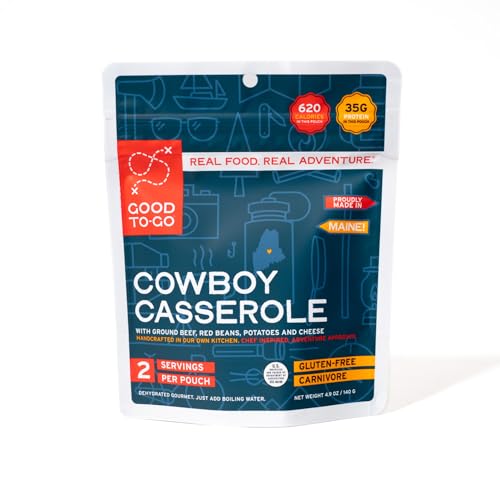
For backpackers, freeze-dried meals for camping can be rehydrated with cold water in a pinch, though they taste better with hot water. Always check instructions. Some brands offer cold-soak options specifically designed for fire-free camping.
Food Safety Without Fire
Without cooking, you can't rely on heat to kill bacteria. Follow these rules:
Fire-Free Food Safety Rules
- Keep cold foods below 40°F (4°C)
- Discard perishables left out over 2 hours
- Use hand sanitizer before handling food
- Don't cross-contaminate utensils
- Boil or filter all drinking water
- Pack out all trash and food scraps
If you're camping in bear country, review how to store food from bears and consider bear spray vs gun discussions before your trip. Safety is not optional.
Frequently Asked Questions
What is the best food to eat while camping without fire?
The best options are shelf-stable, calorie-dense foods: nut butters, tortillas, canned beans, tuna packets, dried fruit, nuts, energy bars, and hard cheese. These require no refrigeration and no cooking.
Can you camp without a fire?
Absolutely. Many campgrounds and wilderness areas have fire bans, especially during dry seasons. No-cook camping is safe, lightweight, and often more convenient. See campfire regulations for rules.
How do I keep food cold without electricity?
Use a high-quality cooler with block ice or frozen water bottles. For extended trips, a cooler that plugs into car lighter or a portable fridge works well for car camping.
Is no-cook food healthy for camping?
Yes, if planned well. Focus on whole foods: nuts, seeds, dried fruit, vegetables, and lean proteins. Avoid excessive sugar and sodium. No-cook meals can be just as nutritious as cooked ones.
What if I want hot food but can't have a fire?
Use a propane gas camping stove if allowed. Many fire bans permit contained stoves. Alternatively, bring a thermos filled with hot water from home and rehydrate meals.
Final Thoughts: Eating well without fire is entirely possible with the right planning. Focus on shelf-stable ingredients, proper storage, and meals that satisfy. Whether you're avoiding a fire ban or simply want a lighter pack, no-cook camping food opens up a world of simple, delicious outdoor dining. For more inspiration, explore our camping FAQ and camping checklists.