Diesel Heater for Tent: The Ultimate Winter Camping Guide
Master the art of warm winter camping with a diesel heater. Learn how to choose, install, and safely operate the best diesel air heaters for your tent, van, or off-grid setup.
Why a Diesel Heater is the Best Choice for Tent Camping
Camping in cold weather can be a magical experience—crisp air, starry skies, and peaceful solitude. But without proper heating, it can quickly become uncomfortable or even dangerous. This is where a diesel heater for tent becomes a game-changer. Unlike propane heaters that produce moisture and consume oxygen, diesel heaters are dry, safe, and incredibly efficient. They are the preferred choice for overlanders, van lifers, and serious winter campers who demand reliable warmth in sub-zero conditions.
Diesel heaters work by drawing air from the outside, heating it through a combustion chamber, and blowing it into your tent as clean, dry, warm air. The combustion process is completely sealed, so no carbon monoxide or moisture enters your living space—making them far safer than traditional propane heaters for tent use.
🔥 Key Benefits of a Diesel Heater for Tents
- Dry Heat: No condensation buildup inside your tent, keeping your gear and sleeping bags dry.
- Fuel Efficiency: Diesel is energy-dense and affordable—a 5-liter tank can last several nights.
- Safe Operation: Sealed combustion means no dangerous gases inside your tent.
- Quiet Performance: Modern units are surprisingly quiet, even on low settings.
- Reliable in Extreme Cold: Diesel doesn't freeze until -30°F (-34°C), making it perfect for winter expeditions.
Whether you're planning a weekend getaway in the Rockies, a week-long winter camping trip in Yellowstone, or simply upgrading your camping heater for tent setup, understanding diesel heaters will transform your cold-weather camping experience. Let's dive into everything you need to know.
How to Choose the Best Diesel Heater for Your Tent
Selecting the right diesel heater depends on several factors, including the size of your tent, your typical camping conditions, and your power setup. Here's a breakdown of the most important considerations:
1. Heat Output (BTU / kW)
Diesel heaters are rated by their heat output, typically measured in kilowatts (kW) or British Thermal Units (BTU). For most tent camping scenarios, a 5kW (≈17,000 BTU) heater is more than sufficient for tents up to 10-12 feet in diameter. Larger tents or extreme cold conditions may benefit from an 8kW unit. A 2kW heater is suitable for small backpacking tents or solo setups.
As a general rule: 5kW is the sweet spot for most campers, offering a great balance of heat output and fuel economy.
2. Fuel Efficiency and Tank Capacity
Fuel efficiency varies by model, but a well-tuned 5kW diesel heater typically consumes between 0.1 to 0.2 liters per hour on low to medium settings. A 5-liter tank can easily last 2–3 full nights of camping. If you plan on week-long trips, consider models with larger built-in tanks or the ability to connect to an external diesel tank.
3. Power Consumption (12V/24V)
Diesel heaters run on 12V or 24V DC power. At startup, they draw around 10-15 amps for the glow plug (for about 2-3 minutes), then drop to about 1-2 amps during normal operation. This makes them ideal for use with a deep-cycle battery, solar setup, or your vehicle's electrical system. If you're camping power banks or a portable power stations can easily support a diesel heater.
4. Noise Level
Modern diesel heaters are much quieter than older models. The main noise comes from the combustion fan and the fuel pump (which makes a ticking sound). Look for units with sound-dampening mounts or quiet fuel pumps. Most campers find the noise level acceptable and even soothing—it becomes white noise that helps you sleep.
5. Installation and Portability
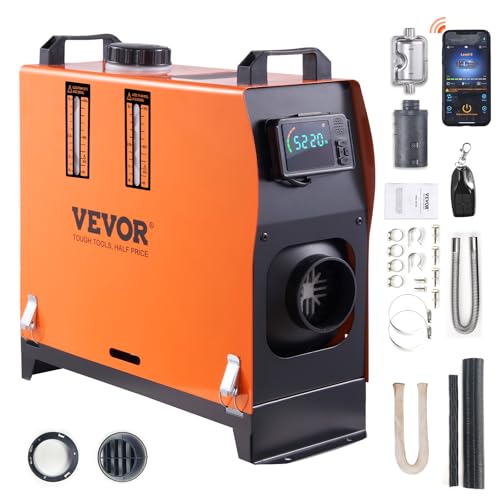
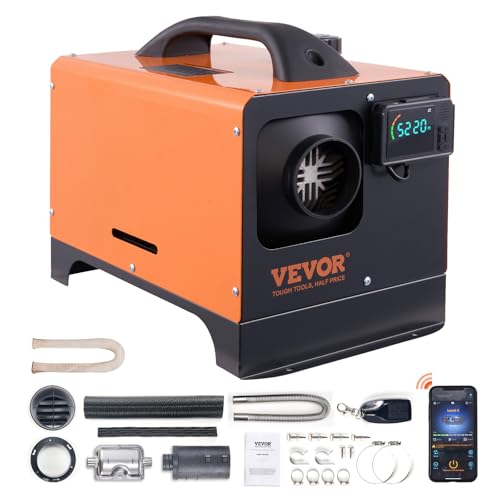
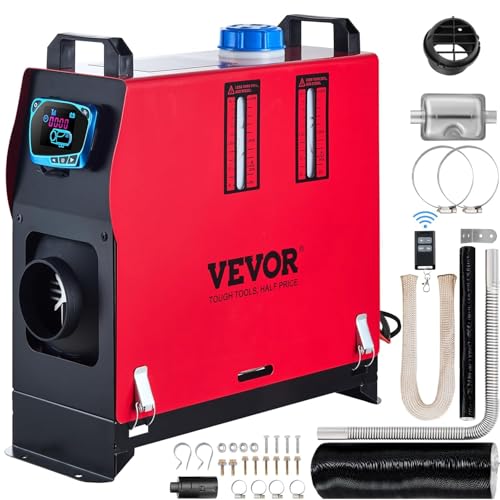
Some diesel heaters come as all-in-one units with built-in tanks and controllers, while others are modular (separate fuel pump, heater unit, and controller). For tent camping, integrated all-in-one units or compact portable models are the most convenient. You'll need to route the hot air duct into your tent and ensure the exhaust is vented outside and away from openings.
💡 Pro Tip: Sizing Your Diesel Heater
To calculate the required heat output for your tent, use this formula: BTU needed = (Tent volume in cubic feet) × (Desired temperature rise in °F) × 0.133. For most 6-8 person tents (approx. 500-700 cubic feet), a 5kW (17,000 BTU) heater will provide ample warmth even in freezing conditions.
Installation & Safety: How to Set Up a Diesel Heater for Your Tent
Proper installation is crucial for both performance and safety. Follow these steps to set up your diesel heater correctly:
Step-by-Step Installation Guide
- Choose a Location: Place the heater outside your tent, ideally under a tarp or awning to protect it from rain and snow. The unit should sit on a flat, stable surface.
- Connect the Fuel Line: Attach the fuel line to the diesel tank and pump. Ensure all connections are tight and leak-free.
- Route the Hot Air Duct: Lead the hot air duct into your tent through a zippered opening or a dedicated vent. Use a duct adapter or flang to create a secure seal.
- Vent the Exhaust: The exhaust pipe must be routed well away from your tent entrance and any windows. A 1-2 meter extension pipe is often needed to safely direct exhaust away from your sleeping area.
- Connect the Power: Wire the heater to your 12V battery or power station. Use a fuse and quality connectors for safety.
- Prime the System: Before first use, you'll need to prime the fuel pump to purge air from the lines. Follow your manufacturer's instructions carefully.
- Test and Adjust: Turn on the heater and set the desired temperature. Check for any unusual noises or smells. Ensure the hot air flows freely into the tent.
Safety First: Tips for Safe Diesel Heater Operation
- Never run the heater without proper ventilation — While diesel heaters are sealed-combustion, you still need a small gap (like a slightly open window) to allow for fresh air exchange.
- Always use a carbon monoxide detector inside your tent—even with a sealed system, it's a critical safety backup.
- Keep flammable materials away from the heater's hot air outlet and exhaust pipe.
- Regularly inspect fuel lines for cracks or leaks, especially before long trips.
- Never refuel the heater while it's running or hot. Wait for it to cool down completely.
- Install a fire extinguisher within easy reach of your camping setup.
⚠️ Emergency Preparedness
Before your trip, familiarize yourself with emergency preparedness camping guidelines. Know how to shut off your heater quickly and have an emergency communication plan in place. Being prepared gives you peace of mind to enjoy the wilderness.
Diesel Heater vs. Other Tent Heaters: Which is Right for You?
To help you decide, here's a quick comparison of the most common tent heater types:
| Heater Type | Fuel | Safety | Moisture | Best For |
|---|---|---|---|---|
| Diesel Heater | Diesel | ⭐⭐⭐⭐⭐ (Sealed combustion) | ✅ Dry heat | Winter camping, van life, long trips |
| Propane Heater (Buddy) | Propane | ⭐⭐⭐ (Needs ventilation) | ❌ Produces moisture | Quick warm-ups, well-ventilated tents |
| Electric Heater | Electricity | ⭐⭐⭐⭐ | ✅ Dry heat | Campgrounds with hookups |
| Wood Stove | Wood | ⭐⭐ (Fire risk) | ✅ Dry heat | Hot tent camping, traditionalists |
As you can see, diesel heaters offer an unmatched combination of safety, dryness, and efficiency—making them the top choice for serious winter campers.
Maintenance and Troubleshooting Your Diesel Heater
To keep your diesel heater running smoothly for years, follow this simple maintenance routine:
- Clean the combustion chamber annually (or after 500 hours of use) to remove soot buildup.
- Replace the fuel filter every 6 months or per manufacturer's schedule.
- Check and clean the air intake to prevent dust and debris from entering the system.
- Inspect the exhaust pipe for blockages or damage before each trip.
- Use high-quality diesel and consider adding a fuel stabilizer for long-term storage.
Common Issues: If your heater won't start, check the power supply (battery voltage) and ensure the fuel pump is primed. If it runs but doesn't blow hot air, the combustion chamber may need cleaning or the glow plug may be failing. Most issues can be resolved with basic tools and a bit of patience.
Frequently Asked Questions About Diesel Heaters for Tents
Can I use a diesel heater in a canvas tent?
Yes! Diesel heaters work wonderfully with canvas tents. Just ensure the hot air duct is properly routed and the exhaust is vented well away from the tent fabric to avoid any heat damage.
How long will a 5L diesel tank last?
On a 5kW diesel heater running at medium settings (about 0.15L/hour), a 5L tank will last approximately 33 hours—enough for 3-4 nights of camping.
Are diesel heaters loud?
Modern diesel heaters are surprisingly quiet. You'll hear a low hum from the fan and a rhythmic ticking from the fuel pump. For most campers, this becomes a soothing white noise.
Can a diesel heater be used in a rooftop tent?
Yes, many rooftop tent owners use diesel heaters. The key is to mount the heater securely and run the ducting into the tent through a zippered opening. Some prefer 2kW units for smaller rooftop tents.
For more answers, visit our comprehensive camping FAQ section.