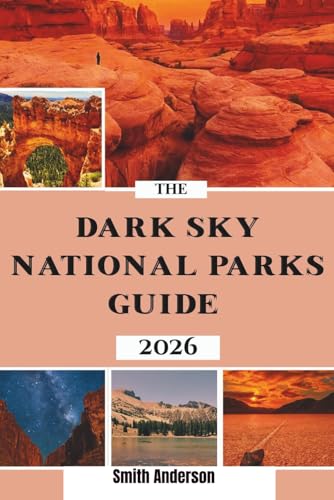
Dark Sky Parks: Where the Stars Shine Brightest
Experience the awe of a truly dark night sky. Find certified International Dark Sky Parks, get expert stargazing tips, and gear up for an unforgettable camping adventure under the stars.
What is a Dark Sky Park?
A Dark Sky Park is a public or private land that has been officially certified by DarkSky International for its exceptional quality of starry nights and a commitment to protecting the nocturnal environment. These parks are sanctuaries from light pollution, offering some of the best stargazing opportunities on Earth. Camping in a dark sky park allows you to see the Milky Way with the naked eye, spot planets, and even witness meteor showers in all their glory [citation:1].
Top Certified Dark Sky Parks in the US
Here are some of the most renowned Dark Sky Parks that offer incredible camping experiences:
Organ Pipe Cactus National Monument
Recently certified, this Arizona monument boasts 330,000 acres of pristine Sonoran Desert. It's a prime spot for viewing the southern sky [citation:1].
Glacier National Park
Known for its rugged beauty, Glacier also offers some of the darkest skies in the lower 48 states. Perfect for combining alpine camping with stellar views [citation:1].
Big Bend National Park
This remote Texas park is one of the least light-polluted places in North America. It's a gold-tier Dark Sky Park with vast desert and mountain landscapes [citation:1].
Joshua Tree National Park
An iconic destination for stargazers and campers. The unique rock formations and Joshua trees make for a surreal backdrop under the night sky [citation:1].
Essential Gear for Dark Sky Camping
To make the most of your dark sky camping trip, you'll need the right gear. Here are some essentials:
Stargazing Aids
Comfort & Camping
Photography & Navigation
Stargazing Tips for Beginners
Even if you're new to stargazing, these tips will help you have a magical experience:
- Check the Moon Phase: A new moon or a crescent moon will provide the darkest skies [citation:1].
- Let Your Eyes Adjust: It takes about 20-30 minutes for your eyes to fully adapt to the dark. Avoid looking at white light.
- Use a Red Light: Red light preserves your night vision. Use red-light headlamps or cover your flashlight with red cellophane [citation:1].
- Bring a Star Chart or App: Apps like SkyView can help you identify constellations and planets [citation:13].
- Dress Warmly: Desert and mountain nights can get very cold. Layer up and bring blankets [citation:8].
🌟 Pro Tip: For the best views, plan your trip during a new moon and check the weather forecast for clear skies. Many dark sky parks also host ranger-led stargazing programs and astronomy events.