Propane Gas Camping Stove: The Ultimate Guide
Everything you need to know about choosing, using, and maintaining a propane gas camping stove for reliable outdoor cooking.
START READINGQuick Summary: A propane gas camping stove is a portable cooking appliance that uses liquefied petroleum gas (propane) as its fuel source. It offers instant heat, precise temperature control, and is suitable for everything from boiling water to simmering a stew. This guide covers types, features, safety, and top recommendations to help you make an informed decision.
Why Choose a Propane Gas Camping Stove?
When it comes to outdoor cooking, a propane gas camping stove is one of the most reliable and convenient options available. Unlike liquid fuel stoves that require priming and can be finicky, propane stoves ignite instantly and provide consistent heat. This makes them ideal for campers who want a stress-free cooking experience, whether you're a beginner or a seasoned outdoorsman.
Propane is widely available in small, portable canisters that are easy to transport and store. The fuel burns cleanly, leaving no soot on your cookware, and the stoves themselves are generally lightweight and easy to set up. For those who enjoy camping with a touch of comfort, a propane stove is a game-changer.
Another significant advantage is the ability to control the flame precisely. This is crucial for tasks like simmering sauces, frying pancakes, or achieving the perfect boil for pasta. Many models also feature built-in ignition systems, eliminating the need for matches or lighters. If you're planning a weekend camping trip, a propane stove will quickly become your most valued piece of cooking gear.
Types of Propane Gas Camping Stoves
Propane stoves come in various designs to suit different camping styles. Understanding the types will help you choose the one that fits your needs.
1. Single-Burner Stoves
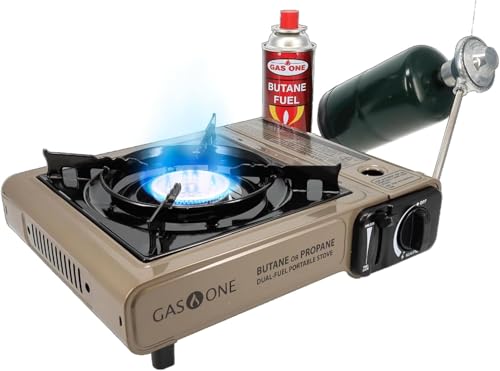
These are the most compact and lightweight options. They are perfect for solo campers, backpackers, or as a backup stove. Single-burner stoves are often used with small propane canisters that screw directly onto the burner. They are excellent for boiling water and simple meals. The propane gas camping stove category includes many entry-level models that are very affordable and easy to use.
2. Two-Burner Stoves
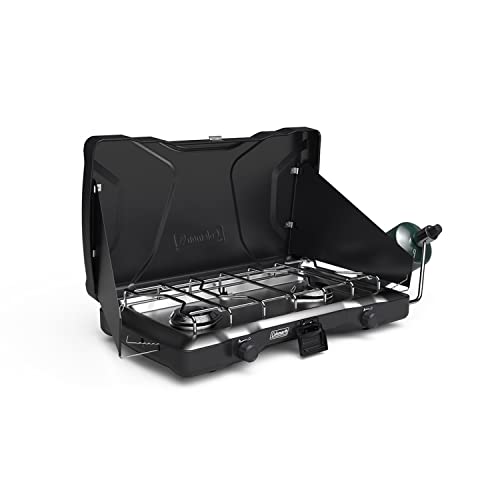
Ideal for couples, families, or anyone who wants to cook multiple dishes simultaneously. Two-burner stoves offer a larger cooking surface and are typically more stable. They usually connect to a larger propane tank via a hose and regulator, providing longer burn times. These are the workhorses of car camping and are often considered camping essentials for group trips. They are great for dinner ideas for camping with a group.
3. Multi-Burner and Griddle Stoves
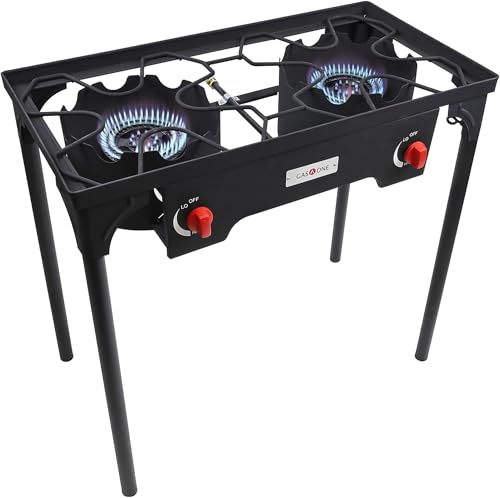
For serious outdoor chefs, multi-burner stoves with integrated griddles or grills offer the ultimate cooking versatility. These high-end models can handle everything from bacon and eggs to stir-fries and grilled sandwiches. They are larger and heavier, making them best suited for base camp setups or RV camping. If you're looking for a premium cooking experience, this tier of stove is worth considering.
Key Features to Consider
When shopping for a propane gas camping stove, pay attention to these features to ensure you get the best model for your needs.
- BTU Output: British Thermal Units measure the stove's heating power. Higher BTUs mean faster boiling times. Entry-level stoves might have around 10,000 BTUs per burner, while high-end models can exceed 20,000 BTUs.
- Ignition System: Push-button or rotary igniters are convenient and reliable. Some models require a match or lighter, which is fine as a backup but less convenient in windy conditions.
- Wind Protection: A built-in wind screen or a design that shields the burners from wind is crucial for efficient cooking. Wind can dramatically reduce a stove's performance.
- Stability: Look for stoves with sturdy legs and a wide base. This is especially important for two-burner models. A stable stove prevents accidents and spills.
- Fuel Compatibility: Most propane stoves use standard 1-pound canisters or connect to larger 20-pound tanks. Ensure the stove you choose is compatible with the fuel source you plan to use.
- Ease of Cleaning: Removable grates and drip trays make cleanup much easier. A camping kitchen setup benefits greatly from a stove that is simple to maintain.
Propane vs. Other Fuel Types
Understanding how propane compares to other fuels can help you appreciate its benefits.
| Feature | Propane | Butane | White Gas |
|---|---|---|---|
| Performance in Cold | Good (with proper canister) | Poor (loses pressure) | Excellent |
| Ease of Use | Excellent (instant ignition) | Excellent | Moderate (requires priming) |
| Fuel Availability | Widely available | Common | Less common |
| Cost of Fuel | Moderate | Moderate | Higher |
| Best For | General camping, families | Warm weather, light use | High altitude, cold weather |
As the table shows, propane is a great all-rounder. It balances ease of use, performance, and availability. For winter camping, you might need a stove designed for cold weather, but a standard propane stove can still work with the right canister. You can learn more about winter camping stoves if you plan to camp in freezing temperatures.
Safety Tips for Using a Propane Gas Camping Stove
Safety should always be your top priority when cooking outdoors. Here are essential guidelines to follow.
- Always Use Outdoors: Never use a propane stove inside a tent, camper, or any enclosed space. Carbon monoxide is a silent killer. Even in a vestibule, the risk is too high.
- Check for Leaks: Before each use, check the connections between the stove, hose, and propane tank. You can use a soapy water solution; if bubbles form, there's a leak.
- Keep Flammables Away: Set up your stove on a stable, non-flammable surface, away from tents, dry grass, and other combustible materials.
- Store Canisters Properly: Store propane canisters upright in a cool, well-ventilated area, away from direct sunlight and heat sources.
- Never Leave Unattended: A lit stove should never be left alone. Wind can blow out the flame, allowing gas to escape.
- Have a Fire Extinguisher: Always have a fire extinguisher or a bucket of water nearby when cooking.
Following these simple rules will ensure your camping safety and allow you to enjoy your meals without worry. For more comprehensive safety information, refer to our campfire safety rules.
Maintenance and Care
To keep your propane stove in top condition for years, regular maintenance is key.
- Clean After Each Use: Wipe down the stove body and clean the grates. Food residue can attract pests and cause rust.
- Check the Burner: Periodically inspect the burner for clogs. A soft brush can help remove debris. If the flame is yellow instead of blue, it may indicate a blockage or incorrect air mixture.
- Inspect Hoses and O-Rings: Look for cracks or wear on the hose and O-rings. Replace them if they appear damaged.
- Store Properly: Store your stove in a dry, clean place. Remove the propane canister before storing.
Proper care ensures your stove remains reliable. If you're also using other gear, like a camping cooler or camping lantern, apply similar maintenance principles to extend their lifespan.
Frequently Asked Questions (FAQ)
Can I use a propane stove in cold weather?
Yes, but with caveats. Standard propane canisters can lose pressure in cold temperatures. To mitigate this, you can use a canister designed for cold weather, keep the canister warm (e.g., in your sleeping bag) before use, or use a stove that connects to a larger propane tank that sits outside the cold zone. For extreme conditions, consider a winter camping stove.
How long does a propane canister last?
A standard 1-pound propane canister typically lasts about 1-2 hours on a high setting, or longer on a simmer. A 20-pound tank can last for many days of regular cooking. The exact duration depends on the BTU output of your stove and the setting you use.
Can I use a propane stove with a large tank?
Yes, many two-burner and multi-burner stoves come with a hose and regulator that allows you to connect to a standard 20-pound propane tank. This is a popular setup for car camping and longer trips.
What is the best propane stove for a family?
A two-burner stove is generally the best choice for a family. It offers enough space to cook multiple dishes and provides a stable cooking surface. Look for models with high BTU output and good wind protection. If you're cooking for a large group, consider a multi-burner or griddle stove.
Is a propane stove safe to use on a picnic table?
It is safe if the table is stable and you place the stove on a heat-resistant surface. However, always ensure the stove is not near the edge and that the table itself is not flammable. Never use a stove on a plastic table without a protective barrier, as the heat can melt the surface.
Conclusion
A propane gas camping stove is an indispensable piece of gear for any outdoor enthusiast. Its combination of convenience, performance, and reliability makes it a superior choice for most camping scenarios. By understanding the different types, key features, and safety practices, you can choose the perfect stove for your adventures.
Whether you're a solo backpacker or a family car camper, investing in a quality propane stove will elevate your outdoor cooking experience. Remember to always prioritize safety and proper maintenance. Now that you're equipped with this knowledge, you're ready to make a confident purchase. Check out our recommended models below to find the best propane gas camping stove for your needs.