For many campers, the experience is not complete without a hot meal or a warm drink. While the tent provides shelter and the sleeping bag offers warmth, the camping pot is the heart of the outdoor kitchen. It is the one piece of gear that transforms a simple meal into a shared feast under the stars. However, with a vast array of shapes, materials, and sizes, choosing the right pot can feel overwhelming. A pot that is too heavy becomes a burden on the trail, while one that is too small leaves you struggling to feed a hungry family. This guide is designed to demystify the world of camping cookware, providing you with the knowledge to select the perfect vessel for your culinary needs, whether you are a solo backpacker or a car-camping chef.
Why the Right Camping Pot Matters
Your choice of a camping pot significantly impacts your overall outdoor experience. It affects the weight of your pack, the efficiency of your stove, and the types of meals you can prepare. A good pot heats quickly and evenly, saving fuel and time. A poorly chosen one might burn food, take forever to boil water, or be a nightmare to clean. For those just starting, understanding the essentials for camping in a tent is crucial, and cookware is a cornerstone of that list. If you're planning a multi-day trip, the weight of your cookware becomes a critical factor, making ultralight principles relevant not just for shelter but for every item you carry.
Quick Tip: A single, well-chosen pot can often replace a larger, multi-piece cookset, saving you space and weight in your backpack.
Key Factors to Consider When Choosing a Camping Pot
Before you start shopping, consider how, where, and with whom you will be camping. Your cooking style and camping method will dictate the best choice.
1. Material: The Core of Your Cookware
The material of your pot determines its weight, heat conductivity, and durability. Here is a breakdown of the most common materials:
- Hard-Anodized Aluminum: This is a top-tier choice for most campers. It is lightweight, conducts heat exceptionally well, and the hard-anodized surface is scratch-resistant and durable. It is a mid-range option that offers excellent value for its performance. You'll often find this material in premium cooksets.
- Stainless Steel: Known for its durability and resistance to rust, stainless steel is a popular choice. It is heavier than aluminum and does not conduct heat as evenly, which can lead to hot spots. However, its ruggedness makes it a favorite for car campers and those who don't mind a bit of extra weight. It is considered a high-end option for its longevity.
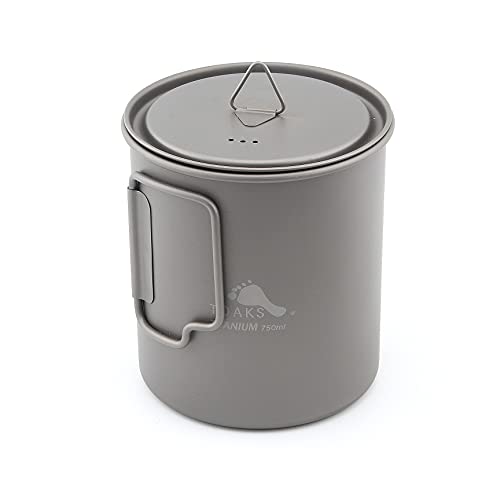
- Titanium: The luxury choice for ultralight backpackers. Titanium is incredibly lightweight, strong, and resistant to corrosion. However, it does not distribute heat well, leading to hot spots and burning. It is also the most expensive material. This is the top-tier choice when weight is the absolute priority. To better understand how weight impacts your gear, you might want to read about ultralight tents.
- Aluminum (Non-Anodized): This is the most budget-friendly option. It is lightweight and heats up fast. However, it is softer, scratches easily, and can react with acidic foods, giving them a metallic taste. It is a good entry-level choice for occasional use.
2. Size and Capacity
Pot sizes are usually measured in liters or quarts. As a general rule, a 1-liter pot is sufficient for a solo camper for boiling water and simple meals. For two people, a 1.5 to 2-liter pot is ideal. Families or groups will need a larger pot, typically 3 liters or more. Consider what you plan to cook. A taller, narrower pot is better for boiling water, while a wider, shallower pot is more suited for sautéing or simmering. For group trips, planning dinner ideas for camping with a group often requires larger cookware.
3. Features and Design
Small design details can make a big difference in usability.
- Handles: Look for pots with foldable or collapsible handles. They save space during packing and stay cool enough to handle during cooking. Some pots come with a detachable handle that can be used across multiple pieces.
- Lids: A lid is essential for retaining heat and speeding up cooking times. Vented lids are a bonus, as they allow steam to escape without rattling.
- Gradations: Measurement markings inside the pot are incredibly helpful for precise cooking and rehydrating meals. This is a common feature on higher-end pots.
- Nesting: Many cooksets are designed so that the pots nest inside each other, often with room for a stove and utensils. This is a space-saving feature, especially important for backpackers. You can even find cookware designed to nest with other gear, similar to how a camping tent and sleeping bag combo is designed for efficiency.
- Coating: A non-stick coating can make cooking and cleaning easier, but it can be scratched if not handled with care. Use silicone or wooden utensils with non-stick pots.
Choosing the Right Pot for Your Camping Style
Your camping style will heavily influence your choice.
For Backpackers and Ultralight Campers
In this category, weight is the enemy. Every gram counts. You will want to look for a pot made from hard-anodized aluminum or titanium. A solo backpacker might only need a 750ml to 1L pot. A pot with a single, folding handle is usually sufficient. Your goal is to have the lightest possible option that still fulfills your cooking needs. This philosophy of minimalism is a key part of van life and backpacking, where space and weight are always at a premium.
For Car Campers and Families
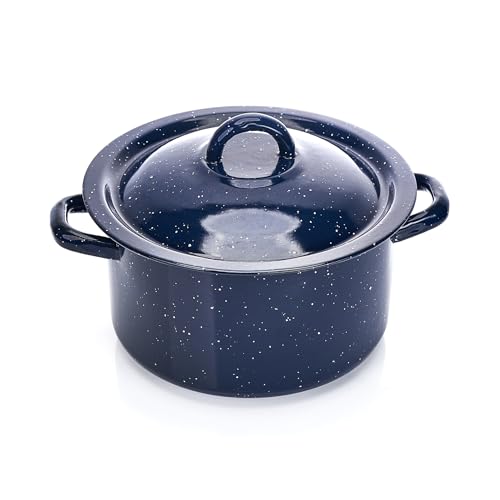
When car camping, weight is less of a concern, and you can prioritize durability, capacity, and convenience. A larger stainless steel or hard-anodized cookset with multiple pots and pans is ideal. You can carry a larger propane gas camping stove and use a full-sized pot to cook large meals. This allows you to prepare everything from a big breakfast to a hearty stew. This is also where a camping kitchen setup shines, giving you a dedicated space and tools to work with.
For Winter Camping
Cooking in cold weather presents unique challenges. You need a pot that can efficiently melt snow for water and handle hearty meals. A pot with a lid is essential to retain heat. Some winter-specific pots have heat exchangers on the bottom to improve fuel efficiency, a critical factor when you are melting snow for water. If you plan to cook in freezing temperatures, a good setup is as important as a comprehensive winter camping gear kit. For more tips on cold-weather cooking, see our guide on winter cooking.
Care and Maintenance
To ensure your camping pot lasts for many trips, proper care is key. Clean your pot after every use. For non-stick surfaces, use a soft sponge and mild soap. Avoid abrasive cleaners or metal scouring pads, which can scratch the surface. For hard-anodized and stainless steel, a more vigorous scrub is okay. Always dry your pot thoroughly before storing it to prevent corrosion. If you are using a non-stick pot, protect the surface during transport by placing a cloth or paper towel between nested pieces.
Conclusion: Your Perfect Outdoor Kitchen Awaits
Choosing a camping pot is a balance between weight, durability, capacity, and your budget. There is no single "best" pot for everyone. A solo backpacker will have different needs than a family of four on a car camping trip. By considering the material, size, and features that align with your adventures, you can invest in a piece of cookware that will serve you well for years. Whether you are boiling water for a freeze-dried meal or simmering a gourmet stew, the right pot makes the experience all the more enjoyable. Remember to check out our guide on what to take on a camping trip to make sure you don't forget any other essential kitchen gear.