Best Winter Camping Stoves: Your Complete Guide
Stay warm and well-fed in the backcountry. We break down the top stoves for melting snow and cooking in freezing conditions, from ultralight canister stoves to rugged liquid fuel and wood-burning options.
Shop Top Winter StovesWinter camping is different. Winter camping requires a stove that can handle sub-zero temperatures, melt snow for drinking water, and provide reliable heat. Not all stoves are up to the task. This guide helps you choose the right one.
Why Winter Stoves Are Different
When temperatures drop below freezing, a standard 3-season stove often fails. The problem is fuel pressure. In cold weather, the isobutane-propane mix in canister stoves loses pressure, leading to a weak, sputtering flame [citation:1]. This is especially problematic when you need to melt snow, a process that requires significant and sustained heat output.
Winter-specific stoves are designed to overcome this. They feature remote canisters that can be inverted to draw liquid fuel, pre-heat tubes that vaporize fuel before it reaches the burner, and pressure regulators for consistent performance. For extreme expeditions, liquid fuel stoves (like those using white gas) remain the gold standard, as they are unaffected by the cold [citation:1].
Types of Winter Camping Stoves
Choosing the right stove depends on your trip, group size, and budget.
Remote Canister Stoves
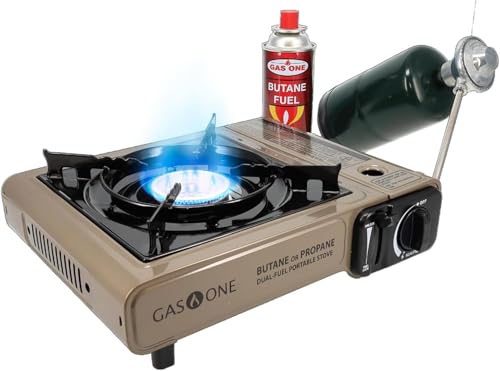
Best for: 3-4 season backpacking and lightweight winter trips. These stoves use a hose to connect to the fuel canister, allowing you to invert the canister for liquid-feed operation, ensuring reliable performance in cold weather [citation:1][citation:2].
- Lightweight & compact
- Good fuel efficiency
- Excellent simmer control
- Fuel canisters can be hard to find
- Can be less powerful in extreme cold
Top models include the Optimus Vega and SOTO Fusion Trek [citation:2].
Liquid Fuel Stoves
Best for: Extreme cold and extended expeditions. Liquid fuel stoves are legendary for their reliability in the harshest conditions. The MSR WhisperLite International can burn white gas, kerosene, and even unleaded gasoline [citation:5].
- Unbeatable cold-weather performance
- Fuel is widely available
- Excellent for group cooking
- Heavier than canister stoves
- Requires priming
- Messier to refuel
The MSR WhisperLite remains a top choice for winter expeditions [citation:4].
Integrated Stove Systems
Best for: Solo or duo trips where speed and efficiency are key. The MSR Reactor and Jetboil Flash are designed to boil water and melt snow quickly, even in windy conditions [citation:2][citation:3]. Their heat-exchanger pots maximize fuel efficiency.
- Fastest boil times
- Excellent wind resistance
- Very fuel efficient
- Limited simmer control
- Bulky and heavy
- Not as versatile for cooking
How to Choose the Right Winter Stove
Before you buy, consider these key factors:
- Fuel Type: Winter camping gear choices often start with fuel. Isobutane-propane mix is best for canister stoves. For sub-zero trips, white gas (liquid fuel) is the most reliable option.
- Melting Snow: Melting snow is a common task in winter. To get 1 liter of water, you need to melt 6.5–20 liters of snow. A larger pot (2L per person) and a powerful stove are essential [citation:1].
- Wind Resistance: A stove with a built-in wind screen or excellent pot stability will save fuel and frustration. The MSR WindBurner is a top choice for windy conditions [citation:3].
- Cookware: Use a pot with a heat exchanger or a wide base for better heat transfer. Titanium is ultralight but expensive; aluminum conducts heat better and is cheaper [citation:1].
Pro Tips for Winter Stove Use
- ❄️ Keep your fuel canister warm: Sleep with it in your sleeping bag to maintain pressure [citation:5].
- ❄️ Use a stove base: A stove base prevents your stove from sinking into the snow and provides stability [citation:1].
- ❄️ Practice at home: Learn how to prime a liquid fuel stove and assemble your system before you're in the cold.
- ❄️ Pack a windscreen: A winter camping safety must-have. A simple windscreen can drastically improve performance.
- ❄️ Bring a backup lighter: Piezo igniters can fail in cold weather. Always carry a lighter or matches [citation:4].
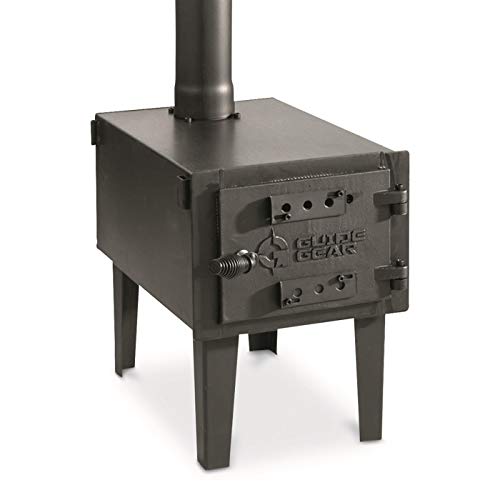
Titanium Wood Stoves for Hot Tents
For the ultimate winter camping experience, a hot tent paired with a titanium wood stove is a game-changer [citation:8]. These lightweight, packable stoves allow you to enjoy a real fire inside your shelter, providing warmth for drying gear and cooking. While expensive, models like the Seek Outside XL and LiteOutdoors XL offer a portable and efficient way to extend your season. They are a fantastic alternative for basecamp-style winter adventures.