
Top of Tent: The Complete Guide to Roofs, Canopies, and Top-Tier Features
When you're researching the "top of tent," you're likely looking at two things: the physical roof and canopy that protect you from the elements, or the premium, top-tier features that make a tent stand out. This guide covers both. We'll break down roof designs, gear lofts, ventilation, and the high-end materials that separate an entry-level tent from a luxury shelter. By the end, you'll know exactly what to look for in your next tent's top.
Start ExploringCampLifeEssentials Philosophy: The "top of tent" is more than just a roof. It's your primary defense against rain, your ventilation system, and often the key to a comfortable night's sleep. Understanding this critical component will help you choose a tent that performs for years.
Understanding the Top of a Tent: More Than Just a Roof
The top of a tent is a complex assembly that includes the canopy, the rainfly, the pole structure, ventilation openings, and often a gear loft. Each part plays a distinct role in keeping you dry, comfortable, and protected. A well-designed top of tent will manage condensation, withstand wind, and provide essential storage. If you're new to tent anatomy, it helps to start with a foundational guide on how to choose tent size, but here we focus specifically on the top portion. The top is where heat rises and condensation forms, so ventilation is critical. Many premium tents feature adjustable vents at the peak to allow moist air to escape. Without proper ventilation, even a top-tier tent can become a condensation trap. The roof also bears the brunt of UV exposure, so materials like ripstop nylon or polyester with a high denier rating are preferred for durability. When you see terms like "top of tent," it can also refer to the peak height or the highest point of the structure, which affects interior space and headroom. For example, a camping tent you can stand up in will have a much higher peak than a low-profile backpacking tent. This peak height is a major comfort factor, especially for family camping. Additionally, the top of the tent is where you'll find attachment points for gear lofts, which keep small items off the floor. Some tents even have a "top of tent" storage pocket for stashing a headlamp or glasses. In cold weather, the top of the tent is where warm air collects, so a 4-season tent with a stove jack will have a reinforced opening at the top for a stovepipe. This is a specialized feature for winter campers. The top of the tent can also be a weak point in high winds. A low-profile, aerodynamic roof sheds wind better than a tall, boxy one. That's why many expedition tents have a curved, dome-like top. Finally, the top of the tent is where you'll often find the highest quality materials. A canvas wall tent may have a heavy-duty cotton canvas roof, while a pop-up tent you can stand up in might use a lightweight polyester with a silver coating for UV reflection. In short, the top of your tent is a critical performance zone. Pay attention to it.
Roof Designs and Canopies: Choosing the Right Top for Your Tent
Tent roofs come in several designs, each with trade-offs. The most common are dome, cabin, and A-frame. A dome tent has a rounded top that sheds rain and wind efficiently, making it a great choice for exposed areas. A cabin tent has near-vertical walls and a flat or slightly peaked roof, offering maximum interior space but less wind resistance. An A-frame is the classic triangular shape, simple and effective for moderate conditions. When you're looking at the "top of tent," you're also looking at the rainfly. The rainfly is a separate layer that covers the top and often extends down the sides to protect the tent body from rain. A full-coverage rainfly is essential for wet climates. Some tents have a "top of tent" canopy that is integrated, meaning the roof itself is waterproof, while others require a separate fly. If you're camping in heavy rain, look for a tent with a "bathtub floor" and a full rainfly. The canopy material matters too. Polyester is more UV-resistant than nylon, while nylon is lighter and stronger for its weight. Ripstop nylon is a top-tier choice for backpacking tents because it resists tearing. For car camping, a 10 x 20 pop-up canopy tent might serve as a separate shade structure, but the top of your sleeping tent is what keeps you dry. Some tents feature a "top of tent" vent that can be propped open with a small pole or stiffener. This is common in high-end tents to reduce condensation. Others have a "cross-vent" at the peak. If you're camping in hot weather, a screen tent with a mesh top provides excellent airflow but needs a separate rainfly for storms. For winter, a hot tent has a stove jack at the top, allowing you to run a stovepipe. This is a specialized top-of-tent feature. When evaluating a tent, look at the roof's peak height. A 6-person tent you can stand up in will have a peak of around 6 feet or more, which is a huge comfort advantage. The top of the tent also affects how it handles snow. A steep roof sheds snow better than a flat one. That's why winter tents often have a steep, conical or dome shape. If you're a tall camper, check the peak height before buying. A 2-person tent you can stand up in is rare but exists for those who prioritize headroom. Finally, consider the color of the top of your tent. A light-colored roof reflects sunlight and keeps the interior cooler, while a dark roof absorbs heat. For summer camping, a light or reflective top is better. For winter, a dark top can help warm the tent. This is a subtle but effective way to manage temperature. In summary, the roof design and canopy of your tent are not afterthoughts; they are central to your comfort and safety.
Top-Tier Features at the Top of Your Tent
When you're shopping for a high-end tent, the "top of tent" is where you'll find many of the premium features that justify the higher tier. These include gear lofts, integrated LED lighting, and advanced ventilation systems. A gear loft is a mesh shelf that hangs from the ceiling of the tent, providing storage for lightweight items like headlamps, phones, or glasses. It keeps your floor clear and your essentials within reach. Many mid-range and premium tents include a gear loft, while entry-level tents often do not. Another top-tier feature is the "top of tent" vent, which can be adjusted from inside the tent. This allows you to control airflow without getting out of your sleeping bag. Some luxury tents even have a "skylight" or clear panel at the top for stargazing. This is a popular feature in glamping tents. Integrated LED lighting is another high-end feature. Some tents have LED strips built into the ceiling, powered by a USB battery pack. This eliminates the need for a separate lantern. If you're looking for a tent with this feature, search for models with "built-in LED lights." The top of the tent is also where you'll find the highest quality hardware. Premium tents use aluminum poles instead of fiberglass, and they often have reinforced stress points at the peak. This makes the tent more durable and easier to pitch. A tent that can be erected by one person often has a hub system at the top that simplifies setup. This is a top-tier convenience feature. For families, a 12-person 3-room instant cabin tent with screen room may have multiple gear lofts and a high ceiling with a vent. The top of such a large tent is a complex structure that must be well-engineered. Another feature to look for is a "top of tent" pocket for a fan or light. Some tents have a small loop or pocket at the peak specifically for hanging a fan. This is a thoughtful detail that improves comfort in hot weather. If you're camping in cold weather, a portable camping wood stove tent heater can be used with a hot tent that has a stove jack at the top. This is a specialized setup for winter camping. In terms of materials, the top of a premium tent might use silicone-coated nylon (silnylon) for superior waterproofing and strength-to-weight ratio. This is common in backpacking tents. For car camping, a 10-person instant cabin tent with awning might have a polyester roof with a high hydrostatic head rating. The hydrostatic head measures waterproofness; a higher number means better rain protection. When you're comparing tents, look at the "top of tent" specifications. A tent with a 3000mm hydrostatic head is more waterproof than one with 1500mm. This is a key metric for the roof. Finally, consider the warranty. A top-tier tent often comes with a lifetime warranty, which reflects the manufacturer's confidence in the materials and construction of the entire tent, including the top. In conclusion, the top of your tent is where premium features shine. From gear lofts to LED lights, these details make a big difference in your camping experience.
How to Choose the Best Top of Tent for Your Needs
Choosing the best top of tent depends on your camping style, climate, and budget tier. For a weekend car camper in a mild climate, a simple dome tent with a basic rainfly is sufficient. The top of the tent doesn't need to be overly complex. For a backpacker, weight is critical, so a lightweight silnylon roof with a minimalist vent is ideal. For a family in a rainy region, a cabin tent with a full-coverage rainfly and a high peak is best. The top of the tent should have a sturdy pole structure to prevent sagging. If you're camping in snow, a 4-season tent with a stove jack is a top-tier choice. The top of the tent must support snow load and have a reinforced stove jack. For hot, humid climates, a tent with a large mesh top and a separate rainfly that can be removed is ideal. This allows maximum airflow. A pop-up screen tent with rain flaps is a good example. When you're evaluating a tent, look at the top from the inside. Is there a gear loft? Are there vents? Can you reach the vent zippers from a sleeping position? These are practical considerations. Also, check the peak height. If you're tall, a camping tent you can stand up in will be much more comfortable. The top of the tent should be high enough that you can stand without stooping. For couples, a 2-person tent you can stand up in offers a premium experience. If you're a solo camper, a easiest 1-person tent to set up might have a simple, low-profile top. The top of the tent is less complex on solo tents. For families with kids, a 8-person tent with LED lights and Bluetooth might have a high-tech top with integrated lighting and speakers. This is a luxury feature. Another consideration is the "top of tent" storage. Some tents have a mesh pocket at the peak for small items. This is a convenient feature. If you're camping in windy areas, look for a tent with a low-profile top and a strong pole structure. A dome tent is a good choice because its curved shape sheds wind. The top of the tent should also have guy-out points for extra stability. In terms of setup, a pop-up tent you can stand up in has a pre-assembled top that pops into place. This is a top-tier convenience feature. For those who want a traditional look, a canvas wall tent has a heavy canvas roof that is durable and breathable. The top of the tent is often supported by an external frame. This is a classic design. Ultimately, the best top of tent is the one that matches your specific needs. Don't overpay for features you won't use, but don't compromise on waterproofing and ventilation. These are non-negotiable. A tent rain fly is your first line of defense against rain. Make sure it covers the top completely and is seam-sealed. If you're unsure, read reviews that specifically mention the top of the tent's performance in rain. This will give you real-world insights. In summary, choose a top of tent that is appropriate for your climate, your camping style, and your comfort needs. It's the most important part of your shelter.
Maintenance and Care for the Top of Your Tent
To ensure the top of your tent lasts for years, proper maintenance is essential. After every trip, clean the top of the tent with a mild soap and water solution. Avoid harsh chemicals that can damage the waterproof coating. Let it dry completely before packing it away. Storing a damp tent is the fastest way to ruin the top of the tent with mold and mildew. If the top of your tent has a rainfly, check the seams regularly. Seal them with a seam sealer if they start to leak. The top of the tent is where leaks most commonly occur because it's the most exposed area. If you notice the waterproof coating on the top of the tent is peeling or sticky, it may need to be re-waterproofed. There are spray-on and wash-in products available for this purpose. For a canvas wall tent, you may need to treat the roof with a canvas waterproofer. The top of a canvas tent is more prone to mildew, so it must be thoroughly dry before storage. If you have a hot tent, the stove jack at the top needs special attention. Inspect it for wear and tear, and replace the heat-resistant fabric if necessary. The top of the tent around the stove jack is a high-risk area for burns. Always follow the manufacturer's instructions for stove use. For tents with a gear loft, check the attachment points at the top of the tent. Make sure they are secure and not tearing. Repair any damage immediately. If you're storing your tent for a long period, hang it loosely in a cool, dry place. Don't compress it tightly, as this can damage the waterproof coating on the top of the tent. UV exposure is a major enemy of the top of your tent. If you camp in sunny areas, consider using a UV-blocking spray or a separate shade structure. A 10 x 10 canopy tent with sides can provide extra shade for your campsite, reducing UV damage to your sleeping tent. When you're pitching your tent, avoid placing it under trees that drop sap or sap-like substances. These can stain and damage the top of the tent. If you do get sap on the top of your tent, use isopropyl alcohol to remove it. Finally, always use a footprint under your tent. While this protects the floor, it also reduces the amount of dirt and moisture that can be tracked inside, which indirectly affects the top of the tent by reducing internal condensation. A clean tent is a happy tent. By taking care of the top of your tent, you'll extend its life and ensure it performs when you need it most. Regular maintenance is a small investment that pays off in reliability.
Common Questions About the Top of a Tent
What is the top of a tent called? The top of a tent is generally called the roof, canopy, or peak. The rainfly is the protective layer that covers the top. The term "top of tent" can refer to any of these components.
How do I prevent condensation at the top of my tent? Ventilation is key. Open the vents at the top of the tent and ensure the rainfly is properly spaced from the tent body. A tent rain fly that is too tight can trap moisture. Also, avoid breathing directly into the tent fabric; use a breathable sleeping bag.
Can I use a heater at the top of my tent? Only if your tent is designed for it. A hot tent has a stove jack at the top for a wood stove. Never use a propane heater inside a tent without proper ventilation, as it poses a carbon monoxide risk. Heaters for camping in a tent in the winter should be used with extreme caution.
What is a gear loft? A gear loft is a mesh shelf that attaches to the top of the tent. It provides storage for small items and keeps them off the floor. It's a top-tier feature in many premium tents.
How do I clean the top of my tent? Use a mild soap and water solution. Rinse thoroughly and air dry completely before storing. Avoid washing machines and harsh detergents.
What is the best material for the top of a tent? For backpacking, silnylon or silpolyester is best. For car camping, polyester or nylon with a high hydrostatic head is good. For winter, a heavy-duty fabric with a stove jack is needed. A canvas wall tent is a traditional option for durability.
How do I repair a leak at the top of my tent? Use a seam sealer on the seams. For larger holes, use a patch kit designed for tent fabric. If the waterproof coating is failing, re-waterproof the entire top of the tent.
Can I stand up in my tent? It depends on the peak height. A camping tent you can stand up in will have a peak of at least 6 feet. Check the specifications before buying.
What is a pop-up tent? A pop-up tent has a pre-assembled frame that pops into shape. The top of the tent is often integrated into the frame. A pop-up tent you can stand up in is a convenient option for quick setups.
How do I store my tent to protect the top? Store it loosely in a cool, dry place. Avoid compressing it tightly. Use a breathable storage bag, not a stuff sack, for long-term storage.
Top of Tent and Roof Top Tents: A Specialized Category
When people search for "top of tent," they sometimes mean roof top tents (RTTs). These are tents that mount on the roof of a vehicle. The top of a roof top tent is a critical component because it must withstand wind, rain, and the rigors of the road. A 2-person hard shell roof top tent has a hard plastic or fiberglass shell that forms the top. This is very durable and aerodynamic. A soft-shell RTT has a fabric top that folds out. The top of a soft-shell RTT is more vulnerable to wind and rain, so a good rainfly is essential. When choosing a roof top tent, look at the top's material and construction. A hard shell is more expensive but offers better protection. A hard shell roof top tent for truck is a popular choice for overlanding. The top of the tent should have vents to reduce condensation. Some RTTs have a skylight at the top for stargazing. This is a luxury feature. If you're considering a roof top tent, you also need to think about how it attaches to your vehicle. A roof top tent for full size truck requires a sturdy rack. The top of the tent should be easy to access and set up. A pop-up tent on top of car is a simpler alternative to a full RTT. It's essentially a tent that sits on a roof rack. The top of this tent is similar to a ground tent. For those who want the ultimate in convenience, a easiest roof top tent to set up is a hard shell model that pops up in seconds. The top of the tent is pre-assembled and requires minimal effort. If you're camping in cold weather, you might want a anti-condensation mat for roof top tent. This mat sits under the mattress and allows air to circulate, reducing moisture at the top of the tent. In summary, roof top tents are a specialized category where the top of the tent is engineered for vehicle-mounted adventures. They offer a unique set of benefits and challenges. If you're an overlander, a roof top tent might be your best choice. Just pay close attention to the top of the tent and how it handles the elements.
Conclusion: The Top of Your Tent is a Critical Investment
The top of your tent is not just a roof; it's your shield against rain, your ventilation system, and often your storage solution. Whether you're looking at a dome tent, a cabin tent, or a roof top tent hard shell 4 person, the top of the tent deserves your attention. By understanding roof designs, materials, and features like gear lofts and vents, you can make an informed decision. Remember to consider your climate, your camping style, and your comfort needs. A tent with a well-designed top will keep you dry, comfortable, and happy. And when you're ready to buy, the recommended products below are a great starting point. They represent some of the best options in the top of tent category. As an Amazon Associate, we earn from qualifying purchases, but our recommendations are based on merit and performance. We hope this guide has been helpful. Now go out there and enjoy the great outdoors, confident that you know exactly what to look for in the top of your tent.
Recommended Top of Tent Gear & Accessories
⚠️ AFFILIATE DISCLOSURE: This website contains affiliate links. As an Amazon Associate, we earn from qualifying purchases. If you make a purchase through these links, we may receive a small commission at no additional cost to you. Read our full affiliate policy.

WildFinder Rooftop Tent, Hard Shell Roof Top Tent for Jeep SUV Truck Van | Aluminum Pop Up Roof Tent with LED Light Strip, Camping Car Roof Tent for 2-3 Person, Hardshell Rooftop Tent

Adventurer Pro Rooftop Tent Hard Shell, 2-3 Person Aluminum Roof Top Tent | Detachable Side Awning&Built-in LED Light Strip, Compatible with Truck Jeep SUV Van&Trailer, Pop Up for 4-Season Camping

Rooftop Tent Hard Shell with Winter Insulation for 4-Season Camping | Aluminum hardshell,2-layer mat,LED light strip,2 Person Car Roof top tent,Suitable for Jeep Truck SUV Trailer
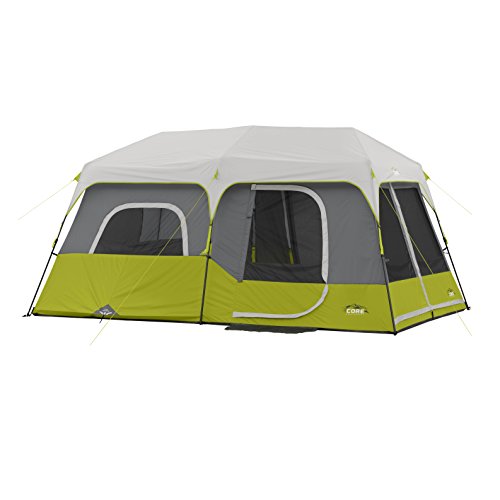
CORE 9 Person Instant Cabin Tent with 2 Minute Setup

10x10 Canopy Replacement Top, Waterproof Pop Up Tent Cover(Top Only)(Black) | 300D Silver-Coated Polyester with PU Coating, UPF 50+ UV Protection, Fits Straight Leg Frame, For Garden Patio Camping

Solar Panel Rooftop Tent Hard Shell,Pop Up Car Roof Top Tent Hardshell | Aluminum Roof Tent with USB Outlet,Luggage Bar,LED Light Strip,Suitable for Jeep SUV Truck,2 Person Camping

10x10ft Replacement Canopy Top with Air Vent, Waterproof & UV Protection Canopy Tent Top Cover for Straight Leg Canopy Frame - for Outdoor, Patio, Event, Trade Show (Khaki, 10x10ft)

10x10ft Canopy Replacement Top Cover with Air Vent, UV Protected & Waterproof Pop-up Canopy Roof, Adjustable Elastic Straps for Outdoor Patio Garden Sun Shade Tent (Frame not Include) (Khaki)
Disclaimer
Outdoor activities involve inherent risks. The information provided on CampLifeEssentials is for educational purposes only. We are not responsible for any injuries, losses, or damages resulting from the use of this information. Some content may use AI assistance. Always practice Leave No Trace principles and verify local regulations before camping. If you do not agree, please do not use this website. Read the full disclaimer.