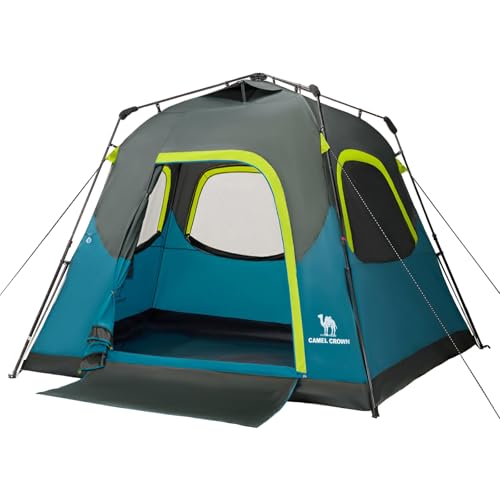
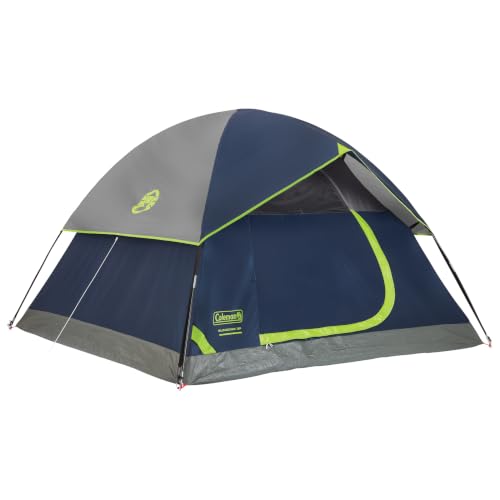
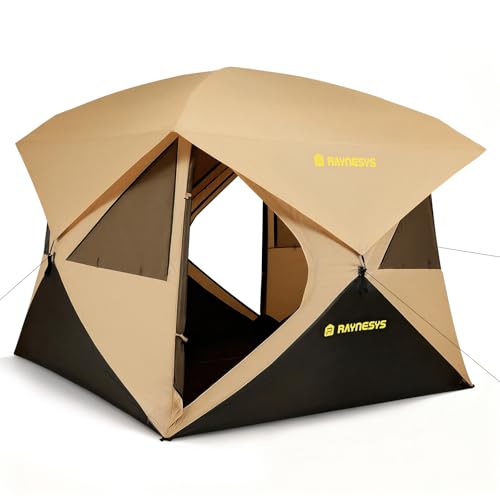
2 Person Tent You Can Stand Up In: Ultimate Comfort Guide
Say goodbye to crouching. Discover spacious two-person tents with stand-up height that transform your camping experience into a comfortable, liveable outdoor retreat.
SEE TOP PICKSWhy stand-up height matters: A two-person tent you can stand up in changes everything. You can dress without contorting, move around freely, and enjoy a sense of space that makes rainy days bearable. For campers who prioritize comfort over ultralight packing, these tents bridge the gap between backpacking efficiency and basecamp luxury.
In this guide, we break down what to look for, compare the best options across quality tiers, and help you choose the perfect tall two-person tent for your adventures. Whether you're a weekend car camper or a dedicated basecamper, you'll find the information you need to make a confident purchase.
Why Choose a 2-Person Tent You Can Stand Up In?
Standard two-person tents often have peak heights between 40 and 48 inches, forcing you to crawl and crouch. A stand-up tent typically offers a peak height of 60 inches or more, allowing most adults to stand fully upright. This extra headroom isn't just a luxury—it's a game-changer for comfort, functionality, and overall camping enjoyment.
🚶 Effortless Movement
Stand, stretch, and move freely. Changing clothes, organizing gear, and getting in and out becomes effortless when you're not hunched over. This is especially valuable during bad weather when you're confined indoors.
👕 Dressing Made Easy
No more awkward contortions. Full standing height means you can dress comfortably and maintain your dignity, even in a shared campsite. It's a small detail that makes a huge difference in daily camping routines.
🧘 Better Air Circulation
Taller tents naturally have more interior volume, which improves airflow and reduces condensation. This means a drier, fresher sleeping environment, especially in humid or rainy conditions.
🪑 Room for Furniture
With stand-up height, you can comfortably fit camp chairs, small tables, or even a portable toilet inside. This transforms your tent from a sleeping pod into a genuine living space.
📦 Gear Organization
Vertical space allows for hanging organizers, shelves, and gear lofts. Keep your essentials accessible and your floor clear, making the most of every square inch.
🌧️ Rainy Day Sanctuary
When the weather turns, a stand-up tent becomes a comfortable refuge. You can read, play games, or simply relax without feeling cramped. It turns a washout into a cozy retreat.
Key Features to Look For in a Tall 2-Person Tent
Not all stand-up tents are created equal. When evaluating options, pay close attention to these critical features that separate a mediocre tent from an exceptional one. For a broader understanding of tent selection, see our guide on how to choose tent size.
- Peak Height: Aim for at least 60 inches (5 feet) to accommodate most adults. Some premium models reach 72 inches or more, providing true stand-up comfort for taller campers.
- Floor Dimensions: A true two-person tent should offer at least 30 square feet of floor space. Look for dimensions around 60 x 80 inches to comfortably fit two sleeping pads side by side with room to spare.
- Wall Design: Vertical walls or near-vertical walls maximize usable space. Dome tents with steep sides or cabin-style tents with straight walls provide the best stand-up experience.
- Doors and Vestibules: A large D-shaped door makes entry and exit easy. A vestibule provides protected storage for shoes, packs, and wet gear, keeping your living space clean and dry.
- Weather Protection: Look for a full-coverage rainfly, taped seams, and a bathtub-style floor. A tent that keeps you dry is non-negotiable, especially in a stand-up design where more fabric is exposed. For wet-weather camping, see our tips on camping in a tent in rain.
- Ventilation: Mesh panels and roof vents are essential for reducing condensation. A well-ventilated tent stays drier and more comfortable, even in cool weather.
- Frame and Poles: Aluminum poles are lighter and more durable than fiberglass. Look for poles with a high denier rating for added strength, especially in windy conditions.
- Packed Size and Weight: Stand-up tents are heavier and bulkier than backpacking tents. If you're car camping or basecamping, this is less of a concern. For backpacking, consider a 2 person backpacking tent as a lighter alternative.
- Setup System: Instant-setup frames, color-coded poles, and intuitive designs save time and frustration. If ease of setup is a priority, explore the easiest 2 person tent to set up.
- Durability: Check the denier of the floor and fly fabric. Higher denier means better abrasion resistance. A tent that lasts for years is a better investment than a cheap one that fails after a season. Consider whether expensive tents are worth it for your specific needs.
Comparing Stand-Up 2-Person Tents by Quality Tier
To help you navigate the market, we've organized the key characteristics of stand-up two-person tents by quality tier. This classification focuses on materials, construction, and features rather than price, ensuring the information remains relevant for years to come.
| Feature | Entry-Level | Mid-Range | Premium | Luxury |
|---|---|---|---|---|
| Peak Height | 58–62 inches | 62–68 inches | 68–75 inches | 75+ inches |
| Floor Area | 30–35 sq ft | 35–40 sq ft | 40–50 sq ft | 50+ sq ft |
| Fabric Denier | 68D–75D | 75D–100D | 100D–150D | 150D+ |
| Pole Material | Fiberglass | Aluminum alloy | High-grade aluminum | DAC or equivalent |
| Rainfly Coverage | Partial | Full | Full + vestibule | Full + large vestibule |
| Ventilation | Basic mesh | Mesh + roof vent | Advanced airflow | Climate control |
| Setup System | Traditional | Color-coded | Instant/Quick | Instant + smart |
| Weather Resistance | 3-season | 3-season + | 3–4 season | 4-season |
| Durability | Good | Very good | Excellent | Outstanding |
| Best For | Occasional campers | Regular campers | Serious campers | Luxury glampers |
When selecting your tent, consider how often you camp and in what conditions. An entry-level tent may suffice for a few trips per year, while a premium or luxury model offers greater durability, comfort, and weather protection for frequent use. For those who camp in colder months, a 4-season tent with stove jack may be a worthwhile investment.
Top Picks: Best 2-Person Stand-Up Tents
Based on our research and analysis, here are the standout options across different quality tiers. Each tent excels in its category, offering a compelling blend of stand-up height, durability, and thoughtful design.
✓ What We Look For
- Peak height of 60+ inches
- Full rainfly and taped seams
- Durable floor and fly fabric
- Easy and intuitive setup
- Good ventilation to prevent condensation
- Spacious interior with room for gear
- Strong, reliable pole structure
- Positive user reviews and reputation
✗ Common Pitfalls to Avoid
- Tents under 58 inches peak height
- Partial rainfly that exposes mesh
- Fiberglass poles that splinter
- Poor ventilation causing condensation
- Flimsy floors that puncture easily
- Complicated setup with unclear instructions
- No vestibule or gear storage
- Tents that are too heavy for solo handling
Entry-Level Stand-Up Tents
These tents offer the essential stand-up experience at an accessible tier. They're ideal for occasional campers, backyard adventures, and those testing the waters of tall tent camping. While they may use fiberglass poles and lighter fabrics, they still deliver the core benefit: the ability to stand up inside. For a simple, no-fuss option, consider a pop-up tent you can stand up in.
Mid-Range Stand-Up Tents
The sweet spot for most campers. Mid-range tents balance durability, features, and comfort. You'll find aluminum poles, full rainflies, and thoughtful ventilation. These tents are built to last through many seasons of regular use. If you're looking for a versatile option that can handle varied conditions, a mid-range model is an excellent choice. Explore our recommendations for 2 person tents you can stand up in for more options.
Premium Stand-Up Tents
Premium tents are designed for serious campers who demand the best. They feature high-denier fabrics, DAC or equivalent poles, advanced ventilation systems, and often instant-setup mechanisms. These tents are built to withstand harsh weather and provide years of reliable service. If you camp frequently or in challenging conditions, a premium tent is a wise investment. For those who want the ultimate in convenience, see the easiest 2 person tent to set up.
Luxury Stand-Up Tents
Luxury tents redefine what camping can be. With peak heights exceeding 75 inches, near-vertical walls, and expansive floor areas, they offer a level of comfort rivaling a small cabin. These tents often include features like room dividers, multiple doors, and integrated lighting. They're perfect for glamping, extended basecamp stays, and those who refuse to compromise on comfort. If you're interested in the broader category, see our guide to camping tents you can stand up in.
Setup and Usage Tips for Stand-Up Tents
Setting up a larger tent requires a bit more planning than a compact backpacking model. Here are practical tips to make your experience smooth and enjoyable. Proper technique also extends the life of your tent. For a deeper dive, see our guide on how long do tents last.
- Choose a Level Site: Clear the area of rocks, sticks, and debris. A level, soft surface protects your floor and ensures a comfortable night's sleep. Consider using a footprint or ground tarp for added protection.
- Practice at Home: Set up your tent in your backyard before your trip. Familiarize yourself with the poles, rainfly, and stake points. This simple step saves time and frustration at the campsite.
- Stake It Out Properly: Secure all guy lines and stake points. A taut tent sheds wind and rain more effectively. In windy conditions, use additional stakes and consider reinforcing with rocks or logs.
- Ventilation Management: Keep vents open in dry weather to reduce condensation. In rain, ensure the rainfly is properly deployed and vents are protected. A well-ventilated tent stays drier and more comfortable.
- Interior Organization: Use gear lofts, hanging organizers, and pockets to keep your space tidy. A clean tent is a comfortable tent. Consider a camping storage and organization system to maximize your space.
- Weatherproofing: Apply seam sealer to critical areas if needed. Check the waterproof rating of your tent's floor and fly. For wet conditions, see our tips on camping in a tent in rain.
- Care and Maintenance: Clean your tent after each trip. Store it dry and loosely folded to prevent mildew and fabric damage. Proper care extends the life of your investment.
Who Should Buy a Stand-Up 2-Person Tent?
A stand-up two-person tent is an excellent choice for a wide range of campers. You'll benefit most from this style if you fall into one or more of the following categories:
🚗 Car Campers
If you drive to your campsite, weight and packed size are less critical. A stand-up tent transforms your car camping experience, providing a comfortable home base with room to move and relax.
🏕️ Basecampers
When you set up a basecamp for multiple days, comfort is paramount. A tall tent gives you a liveable space to return to after a day of hiking, fishing, or exploring. Learn more about base camping.
👴 Older Campers
Stand-up height is a game-changer for older campers or anyone with mobility concerns. It reduces strain on knees and backs, making camping accessible and enjoyable for years to come.
👨👩👧 Couples & Friends
Two people sharing a tent appreciate the extra space. A stand-up tent allows you to move around without disturbing your partner, and provides room for gear and clothing. For more options, see 2 person tent.
🐕 Campers with Dogs
A taller tent gives your furry companion room to move and settle. It also reduces the feeling of being cramped, making the experience more enjoyable for everyone. See our tips on camping with dogs in a tent.
🌧️ Wet Climate Campers
If you camp in rainy regions, a stand-up tent is invaluable. The extra space and improved ventilation keep you comfortable and sane during extended periods indoors. Prepare with our camping checklist.
Frequently Asked Questions
What is the minimum height for a stand-up 2-person tent?
Most experts consider 60 inches (5 feet) to be the minimum for a stand-up tent. This allows the average adult to stand upright without stooping. However, taller campers should look for peak heights of 65 inches or more. Some luxury models reach 75 inches or higher, providing true stand-up comfort for almost anyone.
Are stand-up tents heavier than regular tents?
Yes, generally speaking. The extra height requires more fabric and longer poles, which adds weight and packed size. However, modern materials and engineering have reduced the weight penalty. For car camping and basecamping, the weight difference is negligible. If you plan to backpack, consider a lightweight 2 person backpacking tent instead.
Can a 2-person stand-up tent fit two adults comfortably?
Absolutely, provided you choose the right model. Look for a tent with a floor area of at least 35 square feet and dimensions of around 60 x 80 inches. This allows two sleeping pads to fit side by side with room for gear. A tent with near-vertical walls maximizes usable space, making it feel larger than its footprint suggests.
How do I set up a stand-up tent in windy conditions?
Stake out the corners first, then assemble the poles and attach them to the tent body. Once the structure is up, attach the rainfly and secure all guy lines. Use additional stakes and consider reinforcing with rocks or logs. In extreme wind, it's best to wait for calmer conditions or choose a more sheltered site. Our guide on camping in a tent in cold weather offers more severe weather tips.
Are stand-up tents suitable for winter camping?
Some are, but not all. For winter camping, look for a 4-season tent with a sturdy frame, full-coverage rainfly, and minimal mesh. A 4-season tent with stove jack allows you to use a wood stove for heat, extending your camping season. For general winter camping tips, see our guide on winter camping.
How do I prevent condensation in a stand-up tent?
Ventilation is key. Keep roof vents and mesh panels open as much as weather allows. Avoid cooking inside the tent, as this releases moisture. Use a ground tarp or footprint to reduce moisture rising from the ground. If condensation does form, wipe it down with a dry cloth in the morning. Our article on camping in a tent in rain covers moisture management in detail.
What is the best quality tier for occasional campers?
For occasional campers, a mid-range tent offers the best balance of durability, features, and value. Entry-level tents are fine for very infrequent use, but mid-range models provide better weather protection and longevity. If you camp frequently or in challenging conditions, consider a premium or luxury tent for maximum comfort and reliability.
Can I use a stand-up tent for backpacking?
It's possible but not ideal. Stand-up tents are heavier and bulkier than dedicated backpacking tents. If you're hiking long distances, a lighter 2 person backpacking tent is a better choice. However, for short backpacking trips or basecamp-style adventures, a lightweight stand-up tent can work if you're willing to carry the extra weight.
Final Thoughts
A 2-person tent you can stand up in is more than just a shelter—it's a comfortable, liveable space that enhances every aspect of your camping experience. From effortless movement to better ventilation and room for gear, the benefits are undeniable. Whether you're a casual car camper or a dedicated outdoor enthusiast, investing in a quality stand-up tent is a decision you won't regret.
When choosing your tent, consider your camping style, frequency of use, and the conditions you'll encounter. Use the quality tier framework in this guide to find a model that matches your needs. Remember, the best tent is one that keeps you dry, comfortable, and happy, so you can focus on enjoying the great outdoors. For more guidance, explore our camping FAQ or check out our recommendations for 2 person tents you can stand up in.