10 Person Instant Cabin Tent with Awning: Your Ultimate Family Basecamp
Discover the space, speed, and comfort of a 10-person instant cabin tent designed for large groups. Learn how the integrated awning transforms your camping experience before you buy.
VIEW RECOMMENDED MODELSKey Takeaway: A 10 person instant cabin tent with an awning solves the two biggest challenges of large group camping: lengthy setup times and lack of communal shade. These tents typically feature pre-attached poles that allow setup in under 2 minutes, while the awning creates a covered porch area perfect for gear storage, cooking, or relaxing out of the sun.
Why a 10-Person Instant Cabin Tent is a Game Changer
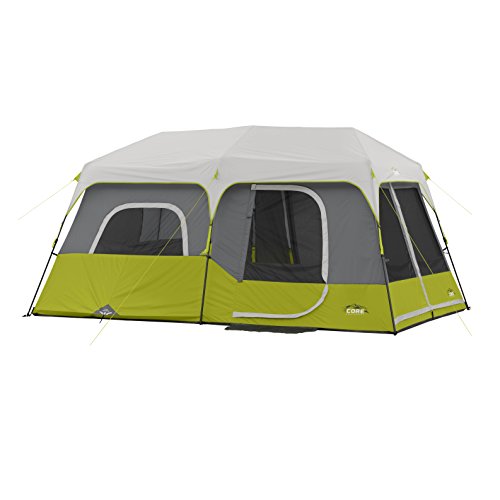
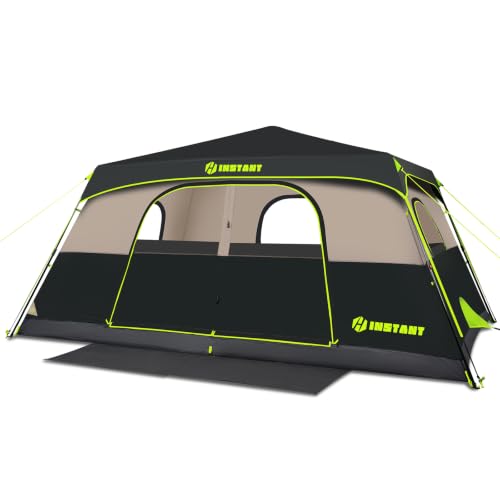
When camping with a large family or a group of friends, space and convenience are non-negotiable. A standard dome tent often feels cramped and can take 20-30 minutes to pitch. A 10-person instant cabin tent fundamentally changes this dynamic. The near-vertical walls, a hallmark of cabin design, maximize interior volume so you can stand up fully, walk around, and fit multiple queen-size air mattresses without brushing against sloped walls. The 'instant' mechanism, where the frame is pre-connected to the tent body, allows you to unfold, extend, and lock the legs in place within a minute or two. This is particularly valuable if you arrive at your campsite late in the day or need to set up in less-than-ideal weather. For an overview of other essential items, explore our complete camping gear guide.
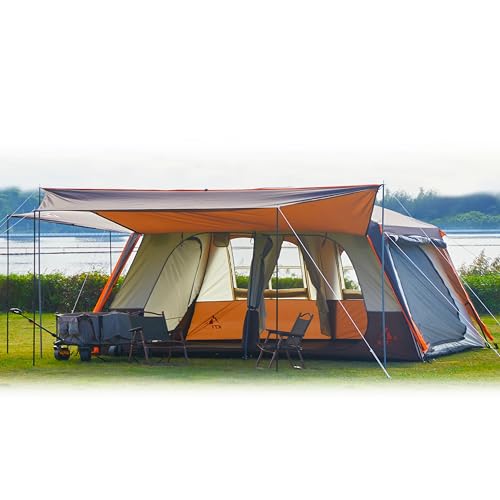
The addition of an awning transforms the tent's footprint from a simple sleeping shelter into a versatile outdoor living space. This shaded area is invaluable during summer months, providing a respite from the sun without forcing you inside a hot tent. It also serves as a protected staging area for muddy boots, a cooking zone when paired with a camp stove, or simply a porch to enjoy the morning view. This design bridges the gap between a traditional tent and the comfort of a screened-in room, making it a favorite for family camping excursions and basecamp setups where comfort is a priority.
Crucial Features to Look For
Instant Setup Mechanism
Look for a robust steel or reinforced aluminum frame where poles telescope and lock into place. This eliminates the need to thread poles through sleeves, cutting setup time to under two minutes for the main body.
Integrated Awning Design
The awning should be seamlessly attached to the front door, extending outward by at least 6 to 8 feet. It provides a shaded, rain-protected zone that dramatically expands your functional living area.
Weather Protection & Ventilation
A durable bathtub floor, taped seams, and a full-coverage rainfly are essential to prevent leaks. Mesh ceilings and large adjustable ground vents ensure proper airflow to reduce condensation in a tent housing ten people.
Room Dividers & Storage
A removable room divider is a must-have feature, effectively splitting the massive interior into two private living quarters. Abundant mesh pockets, gear lofts, and electrical cord ports add functional organization.
Understanding the Investment: Pricing & Value
A high-quality 10-person instant cabin tent with an awning is a significant investment in your outdoor lifestyle, typically priced between $350 and $600. Entry-level models may compromise on the thickness of the fabric (denier) or the quality of the instant mechanism, which can lead to durability issues in windy conditions. Conversely, premium models in the upper price bracket offer features like integrated LED lighting, darker 'blackout' bedrooms for better sleep, and more robust steel frames. When evaluating cost, consider the cost-per-person: a $500 tent for ten campers costs just $50 per person for years of use. This makes it an economical choice compared to renting cabins or buying multiple smaller tents, especially when paired with comfortable camping cots or camping blankets.
Advantages
- Extremely fast assembly and takedown.
- Stand-up height throughout the entire cabin.
- Awning creates a useful, shaded outdoor room.
- Room dividers offer privacy for families.
- Fits multiple large air mattresses comfortably.
Considerations
- Heavier and bulkier to transport (requires a large vehicle).
- Large flat wall surfaces can catch wind easily.
- Requires a generous, level campsite footprint (often 14x10 feet or larger).
- Instant mechanisms can be difficult to fold back into the carry bag initially.
Mastering the Instant Setup and Takedown
To pitch your tent, first select a spacious, level site clear of rocks and debris, ideally a designated camping spot. Lay the folded tent flat on the ground with the floor facing down. Unfold the main body and extend the telescoping poles by pulling them outward until they audibly click into their locked position. Stand the tent up, and the pre-attached frame will snap into place, forming the cabin's rigid structure. Staking down the corners and guylines is critical—never skip this step, as the cabin's tall profile is susceptible to wind. Finally, unroll the awning at the front and extend its support poles, securing them with guylines and stakes for stability. For winter excursions, complement this tent with our guide to winter camping gear to ensure warmth.
Takedown is the reverse process, though it can be trickier the first few times. Remove all stakes, collapse the awning, and then release each telescoping pole. The key is to collapse the frame inward simultaneously from both sides, folding it like an accordion. Practice at home beforehand; knowing exactly how the mechanism unclips will save you the frustration of wrestling with it at a windy campsite. A detailed camping checklist will ensure you don't forget any crucial components like the rainfly or stakes.
Performance in Rain and Wind
The cabin design is inherently less aerodynamic than a dome tent, making wind performance a primary consideration. Always orient the narrowest end of the tent into the prevailing wind. Properly deploying all guylines attached to the frame and awning is not optional; it is essential to prevent the frame from twisting or collapsing. In heavy rain, the integrated awning can be a double-edged sword. If not angled correctly, water can pool on the fabric. Ensure the awning is set at a steep downward angle. Look for models with factory-sealed seams and a durable water repellent (DWR) coating to ensure the tent stays dry. For understanding broader safety protocols, consult our camping safety guide, which includes topics like lightning safety.
Instant Cabin vs. Other Large Tent Styles
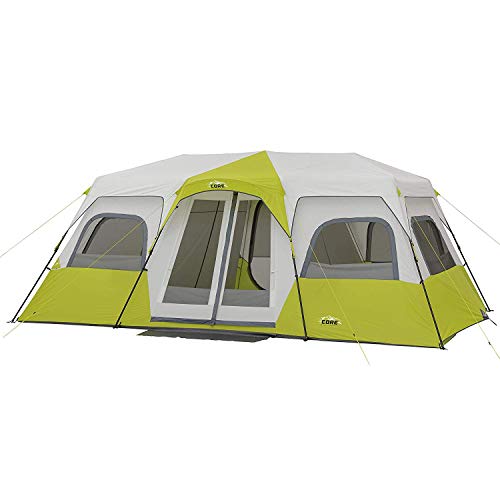
How does this tent compare to a 10-person instant cabin with a full screen room? The awning model offers a simpler, more open-air experience, while a screen room provides full insect protection but is heavier and more complex to set up. Compared to a standard straight-wall cabin tent, the instant variant saves significant setup time. If you prioritize group interaction and a quick setup for summer car camping, the instant cabin with awning is hard to beat. However, if you camp in extreme weather or need a bug-free lounging area, a model with an enclosed screen porch might be a better fit. Other alternatives like a 12-person cabin tent with a convertible screen room offer even more interior space and flexibility.