Tent on Roof Racks: The Ultimate Guide to Elevated Vehicle Camping
Experience the freedom of sleeping under the stars while perched securely above your vehicle. Discover why roof top tents are transforming car, SUV, and truck camping for adventurers worldwide.
Start Your Roof Top JourneyWhy Choose a Tent on Roof Racks? Roof top tents (RTTs) offer superior comfort, quick setup, and protection from ground moisture and wildlife. They turn any vehicle into a mobile basecamp, making them ideal for overlanding, road trips, and spontaneous weekend getaways.
What Exactly Is a Tent on Roof Racks?
A tent on roof racks — commonly known as a roof top tent (RTT) — is a camping shelter designed to be mounted on the roof rack of a car, SUV, truck, or trailer. Unlike traditional ground tents, these tents elevate you off the ground, providing a flat, clean, and secure sleeping platform. They are engineered to unfold or pop up quickly, often in under five minutes, and come in two main styles: soft-shell (fabric folded under a travel cover) and hard-shell (rigid clamshell design).
For those who prefer the simplicity of a ground tent but want the option of a vehicle-mounted shelter, an SUV rear hatch tent is a great alternative that attaches to the back of your vehicle. However, the true tent on roof racks experience is defined by its elevated, panoramic views and off-the-ground comfort.
Soft-Shell vs. Hard-Shell: Which Roof Top Tent Is Right for You?
When researching a vehicle roof top tent, you'll encounter two primary categories:
- Soft-Shell Roof Top Tents: These feature a fabric body that folds out from a travel cover. They are generally more affordable (entry-level to mid-range) and offer more interior space when deployed. However, setup can take slightly longer and they are bulkier when packed.
- Hard-Shell Roof Top Tents: These use a rigid, often aerodynamic clamshell or wedge-shaped shell. They are premium to luxury in tier, extremely quick to set up (often under 60 seconds), and more durable in high winds. They have a smaller packed profile but typically less interior volume than soft-shell models.
If you drive a larger vehicle and want maximum space, a hard shell roof top tent for truck might be the perfect match. For those with a full-size pickup, a roof top tent for full size truck ensures a stable and roomy fit. If you prefer mounting over the bed rather than the cab, consider a roof top tent mounted on truck bed, which keeps the center of gravity lower.
Vehicle Compatibility: Will a Tent on Roof Racks Fit Your Car?
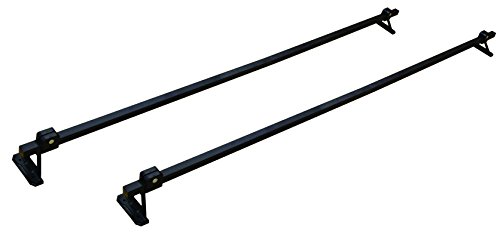
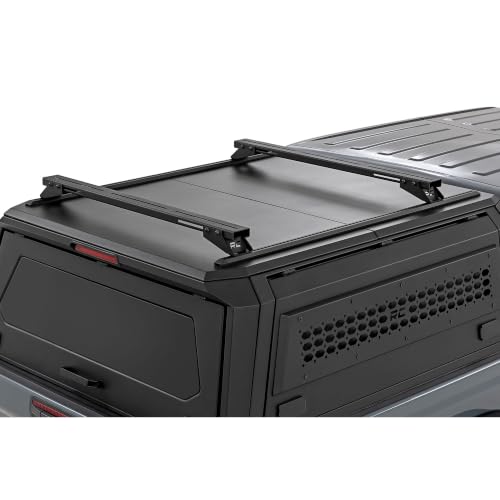
Not every vehicle is ready for a roof top tent out of the box. You need a robust roof rack system with a dynamic weight capacity that exceeds the tent's weight plus the weight of occupants. Most sedans and smaller crossovers are not suitable, but many SUVs, trucks, and vans are. For a dedicated off-road setup, a SUV roof top tent is the most common configuration.
If you're exploring options for your truck, you might also look at a truck bed topper camper as an alternative to a roof-mounted tent. However, a tent on roof racks keeps your truck bed free for gear. For those who want a pop-up style on top of their car, a pop-up tent on top of car or pop-up tent for roof of car offers a compact and user-friendly solution. Similarly, a tent for the top of a car is a broad category that includes both soft and hard-shell models.
Setting Up Your Roof Top Tent: What to Expect
One of the biggest advantages of a tent on roof racks is the speed and simplicity of setup. Soft-shell tents typically take 5–10 minutes to deploy, while hard-shell models can be ready in under a minute. If you're looking for the absolute easiest experience, an easiest roof top tent to set up will often be a hard-shell wedge or clamshell design.
Proper mounting is critical. You'll need to attach the tent to your roof rack crossbars using the provided mounting hardware. Always check the torque specifications and ensure the ladder is securely positioned. For those who camp in colder climates, consider an anti-condensation mat for roof top tent to reduce moisture buildup beneath the mattress.
Why Adventurers Love Tents on Roof Racks
The benefits of a tent on roof racks extend far beyond novelty. Here's why they've become a staple for overlanders and car campers:
- Comfort: Sleep on a flat, thick mattress away from rocks, roots, and uneven ground. Many models include memory foam mattresses, rivaling the comfort of a most comfortable way to sleep in a tent.
- Safety: Being elevated reduces encounters with ground-dwelling wildlife and offers better protection in areas prone to flooding.
- Views: Wake up to panoramic vistas through large mesh windows and skylights.
- Quick Deployment: Ideal for spontaneous road trips where you want to camp anywhere your vehicle can park.
- Space Efficiency: Keeps your vehicle's interior free for gear, pets, or passengers.
For families or groups, a roof top tent hard shell 4 person provides ample sleeping space. Solo travelers or couples might prefer a 2 person hard shell roof top tent for its lightweight and compact nature.
Beyond the Roof: Other Vehicle Camping Solutions
While a tent on roof racks is a fantastic choice, it's not the only vehicle-based camping option. Some campers prefer a tents for the back of your truck or a tent for back of truck with camper shell for a more integrated setup. If you have a pickup, a tents for the back of pickup trucks can be a great alternative. For SUV owners, a tent for the back of a suv offers a ground-level shelter attached to the vehicle.
If you're considering a trailer-based adventure, a pop-up tent trailers with atv rack combines the convenience of a trailer with the elevated sleeping of a roof top tent. For those who want the ultimate in luxury, glamping tents luxury glamping tents glamping tents for sale can be paired with a basecamp vehicle.
Don't forget the essentials that make your roof top camp comfortable: a camping power banks to keep devices charged, a portable fridges for food storage, and a camping water filters tech for safe drinking water. For navigation and safety, a satellite communicators or emergency beacons are invaluable in remote areas.
How to Choose the Perfect Tent on Roof Racks
Selecting a tent on roof racks involves balancing your vehicle's capabilities, your camping style, and your budget tier. Here are key factors to consider:
- Vehicle Roof Capacity: Check your vehicle's dynamic and static roof load limits. Most roof top tents require a dynamic capacity of at least 165 lbs (75 kg) and a static capacity that supports the tent plus occupants.
- Number of Sleepers: Solo campers can opt for a compact 1-person model, while families may need a 4-person or larger. A roof top tent hard shell 4 person is a popular family choice.
- Seasonality: If you camp year-round, look for a 4-season roof top tent with insulated walls and a 4 season tent with stove jack for sale for winter camping. For summer trips, a 3-season model is lighter and more ventilated.
- Setup Speed: Hard-shell tents are the fastest, but soft-shell tents offer more space. Consider an easiest roof top tent to set up if convenience is your priority.
- Mounting System: Ensure the tent's mounting rails are compatible with your roof rack crossbars. Some tents come with universal mounting brackets, while others are vehicle-specific.
If you're new to vehicle camping, you might also explore a car side awning rooftop pull out tent shelter for a versatile shelter that combines an awning and a tent. For those who want a dedicated truck setup, a slide in truck camper for 6 foot bed is a more permanent solution.
Maintaining Your Roof Top Tent for Years of Adventure
To ensure your tent on roof racks lasts, regular maintenance is key. Clean and dry the fabric thoroughly before storing to prevent mold and mildew. Lubricate zippers and check the mounting hardware periodically. If you camp in dusty environments, consider a anti-condensation mat for roof top tent to protect the mattress and reduce moisture. For winter storage, ensure the tent is completely dry and store it in a cool, dry place. If you're using a portable camping hiking hunting wood stove tent heater inside your tent, always follow safety guidelines and ensure proper ventilation.
Frequently Asked Questions About Tents on Roof Racks
Can I put a tent on roof racks of any car?
Not all cars can support a roof top tent. You need a vehicle with a roof rack system that meets the weight capacity requirements. SUVs, trucks, and vans are typically suitable, while most sedans and small hatchbacks are not. Always consult your vehicle's manual and the tent manufacturer's guidelines.
How long does it take to set up a roof top tent?
Hard-shell roof top tents can be set up in under a minute, while soft-shell tents typically take 5–10 minutes. The easiest roof top tent to set up is usually a hard-shell clamshell design.
Is a roof top tent comfortable?
Yes, most roof top tents come with high-density foam mattresses, and many campers find them more comfortable than ground tents. You can further enhance comfort with a memory foam camping mattress or an anti-condensation mat for roof top tent.
Can I use a roof top tent in winter?
Absolutely, but you'll need a 4-season model and proper insulation. Consider a 4 season tent with stove jack for sale if you plan to use a wood stove. Also, look into heaters for camping in a tent in the winter and safe tent heaters for camping battery operated for added warmth.
How do I mount a tent on roof racks?
Mounting involves attaching the tent's base rails to your roof rack crossbars using the provided brackets and hardware. Ensure the crossbars are rated for the tent's weight and that all bolts are tightened to the manufacturer's torque specifications. For a visual guide, refer to the instructions that come with your specific tent model.