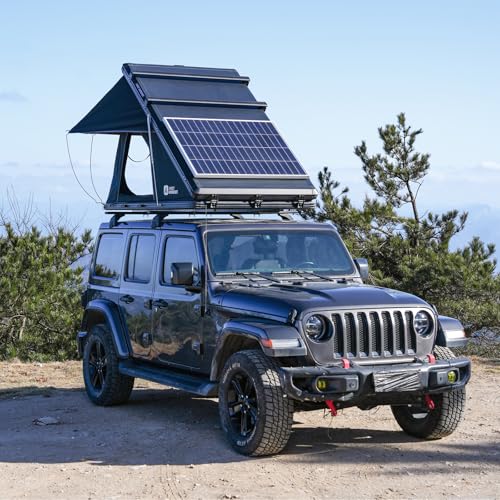
Pop Up Tent for Roof of Car: The Ultimate Guide
Discover everything you need to know about rooftop pop‑up tents: from hard‑shell vs soft‑shell, installation tips, and the best models to elevate your car camping experience.
SHOP TOP PICKSWhy choose a roof top tent? A pop‑up tent for the roof of your car turns any vehicle into an instant off‑ground campsite. Sleep comfortably, avoid uneven terrain, and enjoy panoramic views.
What Is a Pop‑Up Tent for the Roof of a Car?
A pop up tent for roof of car – also known as a rooftop tent (RTT) – is a shelter that mounts directly onto your vehicle’s roof rack. It unfolds or “pops up” in minutes, providing a durable, comfortable sleeping platform above ground level.
Unlike traditional ground tents, rooftop tents offer several distinct advantages: they keep you away from rocks, mud, and insects; they provide a flat sleeping surface; and they often come with integrated mattresses. Whether you are a weekend warrior or a full‑time overlander, a car roof pop‑up tent is a game‑changer for car camping.
Modern rooftop tents are engineered for convenience. Most models can be set up or folded down in under five minutes, making them ideal for road trips where you want to move quickly from one campsite to the next.
Types of Pop‑Up Roof Tents for Cars
There are two main categories of pop up tent for roof of car: hard‑shell and soft‑shell. Each has its own strengths, and your choice depends on your vehicle, budget, and camping style.
Hard‑Shell Rooftop Tents
Hard‑shell tents feature a rigid, aerodynamic shell (usually made of ABS plastic or aluminium) that protects the tent fabric when closed. They are the quickest to deploy – simply unlatch and lift – and offer superior weather protection. They also tend to have a lower profile on the roof, which reduces wind drag and noise. However, they are generally more expensive and may have a smaller interior space compared to soft‑shell models.
Soft‑Shell Rooftop Tents
Soft‑shell tents are the classic fold‑out design. They are lightweight, affordable, and available in a wide range of sizes. When folded, they resemble a large bag or suitcase on your roof rack. They take a bit longer to set up (usually 5–10 minutes) because you need to unzip the cover and unfold the annexe or awning. They are a favourite among family campers and those on a budget.
Hybrid & Pop‑Up Trailer Tents
Some innovative models combine elements of both, such as the “clamshell” design that lifts from the side. There are also pop‑up trailer tents that attach to the roof of your car but provide additional living space. For most overlanders, a standard hard‑shell or soft‑shell is the best choice.
How to Choose the Right Roof Tent for Your Car
Selecting the perfect pop‑up roof tent involves more than just picking a colour. Consider these factors:
- Vehicle Compatibility: Check your car’s roof load capacity and dynamic weight rating. Most rooftop tents weigh between 60–100 kg (including the mattress and ladder). Ensure your roof rack can support the tent both when driving (dynamic) and when parked (static).
- Size & Sleeping Capacity: Rooftop tents typically sleep 2–4 people. A 2‑person tent is great for couples or solo adventurers, while a 4‑person version offers more space for families. Consider how much interior space you need.
- Ease of Setup: If you value speed, a hard‑shell is your best bet. If you prefer a larger living space and a lower price, a soft‑shell may be the right choice.
- Seasonality & Weather: Do you camp in winter? Look for a 4‑season tent with a sturdy frame and wind‑resistant fabric. For summer, a 3‑season model with good ventilation is sufficient.
- Budget: Prices range from $800 for a basic soft‑shell to $4,000+ for premium hard‑shell models.
Always read the manufacturer’s specifications carefully. If you are new to rooftop camping, consider starting with a mid‑range soft‑shell to see if it fits your style before upgrading.
Installation & Mounting Tips
Mounting a pop‑up tent on your car roof is easier than you think. Most tents come with mounting brackets that attach to any standard roof rack crossbars. Here’s a step‑by‑step overview:
- Prepare your roof rack: Ensure your crossbars are clean and secure. The distance between the bars should match the tent’s mounting channel width.
- Lift and position: With a helper, lift the tent onto the roof rack. Align the mounting rails with the crossbars.
- Secure the brackets: Use the supplied U‑bolts or mounting plates to clamp the tent to the crossbars. Torque the bolts to the specified settings.
- Double‑check everything: Once installed, shake the tent to ensure it is firmly attached. Check all bolts after your first drive.
Remember, a roof tent adds considerable height to your vehicle. Be aware of low clearances in car parks or drive‑throughs. It is also recommended to keep the tent closed when driving on highways to reduce wind resistance and fuel consumption.
Pros and Cons of a Car Roof Pop‑Up Tent
✔ Advantages
- • Off‑ground sleeping: no rocks, mud, or crawling insects
- • Quick setup and takedown (under 5 minutes)
- • Built‑in mattress for comfort
- • Panoramic views from higher vantage point
- • Safer from wildlife
✖ Disadvantages
- • Higher fuel consumption
- • Adds height – clearance issues in garages
- • Heavier than ground tents (60–100 kg)
- • More expensive than traditional tents
- • Requires a sturdy roof rack
Despite the drawbacks, many campers find that the comfort and convenience of a pop up tent for roof of car far outweigh the negatives, especially for frequent road trips and overlanding.
Maintenance & Care for Longevity
To ensure your roof tent lasts for many seasons, follow these simple care tips:
- Clean regularly: Wash the fabric with mild soap and water. Avoid harsh chemicals that can degrade waterproof coatings.
- Dry before storage: Always let the tent dry completely before folding to prevent mould and mildew.
- Lubricate zippers and hinges: Use silicone spray on zippers and moving parts to keep them smooth.
- Inspect bolts and brackets: Check all mounting hardware periodically for tightness, especially after rough roads.
- Store in a dry place: If you remove the tent during off‑seasons, store it in a cool, dry area away from direct sunlight.
Proper care will keep your tent looking and performing like new for years.
Frequently Asked Questions
Can any car support a roof top tent?
Most SUVs, trucks, and wagons with factory roof rails can support a rooftop tent, provided you have the correct crossbars. Always check your vehicle’s roof load capacity (dynamic and static).
How long does it take to set up a pop‑up roof tent?
Hard‑shell tents can be set up in under 1 minute. Soft‑shell tents usually take 5–10 minutes, depending on the model and your experience.
Is a roof tent safe in high winds?
High‑quality rooftop tents are designed to withstand moderate winds (up to 30–40 mph). In severe weather, it’s best to lower the tent or seek shelter.
Do I need a special mattress?
Most rooftop tents come with a built‑in foam mattress. Some campers add a cooling gel mattress topper for extra comfort.
Can I mount a pop‑up tent on a sedan?
While possible, sedans usually lack the roof strength for a heavy tent. It is not recommended unless the vehicle has a dedicated roof rack system with adequate load rating.
Still have questions? Visit our comprehensive camping FAQ for more answers.