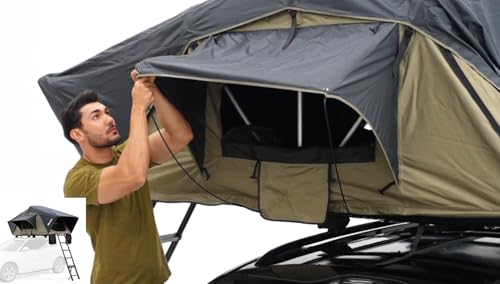
Roof Top Tent Mounted on Truck Bed
Your complete guide to choosing, installing, and using a roof top tent on your pickup truck for overlanding, camping, and off-grid adventures.
Why Mount a Roof Top Tent on Your Truck Bed?
A roof top tent mounted on a truck bed is the ultimate upgrade for overlanders and outdoor enthusiasts who want to elevate their camping experience—literally. By mounting a rooftop tent on your truck bed, you gain the benefits of sleeping off the ground, quick setup, and the ability to carry all your gear underneath. Whether you're planning a weekend getaway or a cross-country expedition, this setup transforms your pickup into a mobile basecamp.
Unlike traditional ground tents, a truck bed rooftop tent keeps you safe from uneven terrain, moisture, and wildlife. It also frees up interior cabin space, so you can bring more camping gear and comfort items. In this guide, we'll cover everything from tent types and weight limits to installation and maintenance.
Hard-Shell vs. Soft-Shell Roof Top Tents
🔹 Hard-Shell RTT
Best for: Frequent travelers, harsh weather, and those who value speed.
Hard-shell tents feature a rigid outer shell that opens like a clamshell. They set up in under a minute, offer better aerodynamics, and are more durable in high winds and rain. However, they are heavier and more expensive.
Price Range: $2,500+
Weight: 120–180 lbs
🔸 Soft-Shell RTT
Best for: Budget-conscious campers, lightweight setups, and occasional use.
Soft-shell tents use a fabric cover and fold out like an accordion. They are lighter, more affordable, and pack down smaller. Setup takes 5–10 minutes, and they are less aerodynamic, which can affect fuel economy.
Price Range: $800–$1,800
Weight: 80–130 lbs
Pros and Cons of Truck Bed RTT Mounting
✅ Pros
- Off-ground sleeping: Stay dry, warm, and away from critters.
- Quick setup: Most RTTs deploy in 1–5 minutes.
- Gear storage: Use the truck bed to store equipment while sleeping above.
- Versatility: Works with most truck camping setups.
- Better views: Elevated vantage point for sunrise and sunset.
❌ Cons
- Higher cost: Premium tents and racks can be expensive.
- Weight & MPG: Added weight and wind resistance reduce fuel economy.
- Ladder access: Climbing up and down can be challenging at night.
- Storage: Requires secure storage when not in use.
- Setup on uneven ground: Need to park on level surfaces.
How to Install a Roof Top Tent on Your Truck Bed
- Choose the right bed rack: Select a rack that matches your truck bed size (5.5 ft, 6.5 ft, or 8 ft). Look for a dynamic load rating of at least 300 lbs.
- Mount the rack: Use the provided brackets and hardware to secure the rack to the bed rails. Follow torque specifications.
- Attach the tent: With a helper, lift the tent onto the rack. Secure it using the mounting brackets or crossbar clamps.
- Check clearance: Ensure the tent does not interfere with the cab, tailgate, or bed accessories.
- Test the setup: Deploy the tent fully to check stability and ladder placement.
🔧 Pro tip: Always double-check that your rack's static weight rating exceeds the total weight of the tent + occupants (typically 600–800 lbs).
Weight Limits & Truck Compatibility
Understanding weight limits is critical when mounting a roof top tent for full-size truck or any mid-size pickup. The two key ratings are:
- Dynamic weight rating: The maximum weight the rack can carry while driving (typically 150–300 lbs).
- Static weight rating: The maximum weight the rack can support when the vehicle is parked (typically 600–1,000 lbs).
Most full-size trucks like the Ford F-150, RAM 1500, and Chevy Silverado have no issues with RTT setups, while mid-size trucks like the Toyota Tacoma or Jeep Gladiator may require a higher-rated rack. Always consult your truck's payload capacity and your rack manufacturer's guidelines.
Frequently Asked Questions
Can I mount a roof top tent directly on my truck bed without a rack?
No, a roof top tent requires a bed rack or crossbars to distribute the weight evenly and provide a secure mounting surface. Direct mounting to the bed floor is not recommended.
What is the average setup time for a truck bed RTT?
Hard-shell tents set up in under 1 minute, while soft-shell tents take 3–5 minutes. Practice at home before your trip to streamline the process.
Does a roof top tent affect truck fuel economy?
Yes, the added weight and wind resistance can reduce fuel economy by 5–15%, depending on the tent type, driving speed, and vehicle. Hard-shell tents are more aerodynamic.
Maintenance Tips for Truck Bed RTTs
- Clean regularly: Wash the tent fabric with mild soap and water to prevent mold and mildew.
- Inspect seals: Check weather seals and zippers for wear and tear before each trip.
- Lubricate hinges: Apply silicone spray to moving parts to prevent rust and ensure smooth operation.
- Store properly: If removing the tent, store it in a cool, dry place away from direct sunlight.
- Check hardware: Tighten all bolts and brackets periodically to prevent loosening during off-road driving.
Ready to hit the road? Browse the recommended roof top tents below and take your truck camping to the next level.