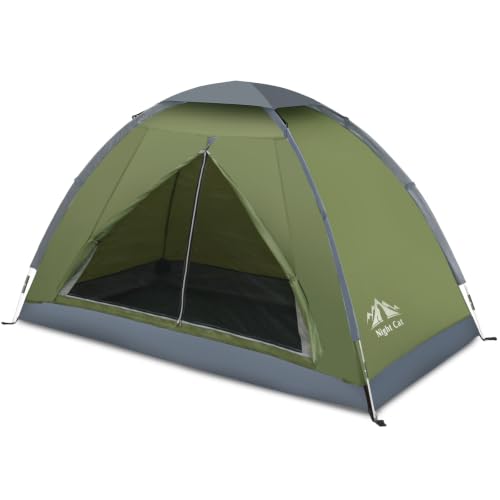
Single Person Tents for Backpacking: The Ultimate Buying Guide
Discover how to choose a solo backpacking tent that balances weight, comfort, and weather protection for your next adventure.
START EXPLORINGCampLifeEssentials Philosophy: A solo backpacking tent is your portable sanctuary. Choosing the right one means the difference between a restorative night's sleep and a miserable, sleepless ordeal on the trail.
Why Your Solo Tent Is Your Most Critical Gear Choice
For a backpacker, every ounce counts. Your shelter is often the single heaviest item in your pack, making the decision of which single person tent for backpacking to buy a critical one. Unlike car camping, where space and weight are less of a concern, a backpacking tent must be a master of compromise. It needs to be light enough to carry for miles, yet strong enough to protect you from unexpected storms. It must be compact enough to fit in your pack, but spacious enough to provide a comfortable night's rest.
This guide is designed for the backpacker who has moved beyond the basics and is ready to invest in a shelter that truly meets their needs. We will dissect the key features—from weight and packed size to interior space and weather resistance—so you can make an informed decision. We'll explore the nuances of solo tent design, helping you understand the trade-offs between an ultralight freestanding model and a minimalist trekking pole shelter.
Key Factors When Choosing a Single Person Backpacking Tent
When you're researching solo tents, you'll quickly find that they are not all created equal. The ideal choice for a weekend warrior in mild summer conditions is vastly different from the one a thru-hiker needs for a multi-month journey. To simplify your research, focus on these core criteria:
1. Weight and Packed Size
This is the primary reason you are looking at a single person tent. The weight of your shelter has a direct impact on your hiking experience. You will encounter terms like "ultralight" and "lightweight." An ultralight backpacking setup often relies on trekking poles to pitch the tent, saving the weight of traditional tent poles. Consider how the tent's packed size will fit into your camping backpack with water bladder, as a bulky tent can throw off your pack's balance. If you're looking for a budget-friendly option that doesn't compromise too much on weight, a budget lightweight backpacking tent can be an excellent starting point.
2. Interior Space and Comfort
A single person tent is a compact space. You need to consider both floor area and peak height. A tent with a low peak height can be claustrophobic and difficult to change clothes in. Look for a model that offers enough room for you and your essential gear, like your sleeping bag liner and a comfortable backpacking pillow. A vestibule is also a crucial feature. It provides a covered space outside your sleeping area for your muddy boots and a wet backpack, keeping the interior of your tent clean and dry.
3. Weather Resistance and Durability
Your tent is your primary defense against the elements. A good backpacking tent must handle rain and wind. Look for a robust rainfly, taped seams, and a durable floor. If you plan to camp in cooler conditions, a 4-season tent with a stove jack offers extreme weather protection and the ability to stay warm, a topic we cover in our winter camping gear guide. However, for most three-season backpacking, a well-designed double-wall tent or a sturdy single-wall tent is sufficient. Learning how to properly set up a tent in the rain is a skill that will protect you and your gear, no matter how good your tent is.
4. Setup and Ease of Use
After a long day on the trail, the last thing you want is a complicated pitching process. The easiest 1 person tent to set up often uses a simple clip or sleeve system. Freestanding tents are generally easier to pitch on hard or rocky ground, while trekking pole tents require more practice and specific ground conditions. For those who prefer an even faster setup, a pop-up tent for the back of a car can be a great option for car-based adventures, though they are usually too heavy for backpacking. For true backpacking, practicing your tent's setup at home before your trip is essential.
Types of Single Person Backpacking Tents
The market for solo tents is segmented into a few key designs, each with its own strengths and weaknesses.
Freestanding Solo Tents
These tents use a pole structure (often a single hubbed pole or two crossing poles) that allows the tent to stand on its own without needing to be staked out. This is a major advantage when camping on hard-packed ground, rock slabs, or in a tent on a wooden platform. They are generally heavier than their trekking pole counterparts but offer superior versatility and ease of setup. A lightest freestanding 1 person tent is a great all-rounder for most backpackers.
Trekking Pole Tents (Ultralight)
These shelters are the pinnacle of ultralight design. They use your trekking poles as the main structural support, eliminating the weight of dedicated tent poles. This makes them incredibly light and compact, ideal for long-distance backpacking. However, they require the use of trekking poles (or optional dedicated poles), are often not freestanding, and can be more finicky to pitch. They are a top choice for backpackers looking to shave every possible ounce from their essential equipment for backpacking.
Single-Wall vs. Double-Wall Tents
Double-wall tents have a separate inner tent (often mostly mesh) and a waterproof rainfly. This design offers excellent ventilation and helps prevent condensation from building up inside the tent. Single-wall tents combine the inner and outer into one layer. They are lighter and quicker to pitch but are more prone to condensation. A single-wall tent is a great choice for dry, arid environments, while a double-wall tent is more versatile for humid or wet conditions.
Feature Deep Dive: What Really Matters
The Role of the Vestibule
A vestibule is a covered area outside the main sleeping space but under the rainfly. It's non-negotiable for a backpacking tent. Use it to store your pack, boots, and wet gear, keeping your sleeping area dry and organized. Some solo tents have a single small vestibule, while others may have a larger one or even two. When paired with a lightweight waterproof camping tarp, you can create an even larger covered living space.
Do You Need a Footprint?
A footprint is a groundsheet that goes under your tent to protect its floor from abrasion, punctures, and moisture. While it adds a bit of weight, it can significantly extend the life of your tent. Many manufacturers sell custom footprints, but you can also use a piece of Tyvek or a generic lightweight camping tarp as a cheaper, DIY alternative. Considering a non-inflatable sleeping pad under your bag can also provide an extra layer of protection and insulation from the cold ground.
Condensation Management
Condensation is the enemy of a good night's sleep in a tent. It forms when warm, moist air from your breath meets the cooler surface of the tent's rainfly. Proper ventilation is key to managing it. Look for tents with adjustable vents, mesh panels, and the ability to leave the rainfly partially open (if weather permits). A high-quality ultralight rectangular sleeping bag with a water-resistant shell can also help you stay dry if condensation does occur.
Our Recommendations for Single Person Backpacking Tents
Based on the factors above, here are our recommendations, categorized by tier and use case. Remember, the "best" tent is the one that best fits your specific needs and backpacking style.
Best for Ultralight Backpacking: Trekking Pole Shelters
If you are an experienced backpacker looking to minimize pack weight, a trekking pole tent is the way to go. These are typically made from lightweight materials like silnylon or DCF (Dyneema Composite Fabric). They are not freestanding, so they require skill and practice to pitch, especially in windy conditions. However, their low weight and pack size are unmatched. Pair one with a ultralight backpacking sleeping pad and a zero-degree sleeping bag for a truly lightweight setup. For those who want a bit more convenience without sacrificing too much weight, a lightest freestanding 1 person tent is an excellent alternative.
Best for Versatility: Freestanding Solo Tents
A freestanding tent is the most user-friendly option. It can be pitched almost anywhere and is less reliant on perfect staking. Look for a model that balances a reasonable weight with a comfortable interior. This is a great choice for beginners, those who camp in a variety of terrains, or anyone who values a quick and easy setup. You can complement it with a memory foam self-inflating mattress for extra comfort and a battery-operated lantern with a timer for light.
Best for a Quick Getaway: Pop-Up or Instant Tents
If your "backpacking" is more of a short hike to a campsite, an instant or pop-up tent can be a convenient option. They set up in seconds. However, they are generally heavier and bulkier, making them unsuitable for long-distance treks. A 2-person compact portable pop-up tent can be a good choice for a solo camper who wants extra space, or for a couple. For a solo trip where you drive to the trailhead and hike a short distance, a pop-up tent for the back of a car is a fantastic, hassle-free shelter.
Frequently Asked Questions
What is the ideal weight for a solo backpacking tent?
The ideal weight depends on your budget and priorities. An "ultralight" solo tent can weigh as little as a couple of pounds or less. A more standard, durable, and affordable backpacking tent might weigh a bit more. The key is to find a balance between weight, durability, and the features you need.
Are 1-person tents too small?
A dedicated 1-person tent can feel small, especially if you are tall or broad-shouldered. They are designed for sleeping and storing a small amount of gear. If you are looking for more space, consider a lightweight two-person sleeping bag or a 2-person tent, which will offer more room at a slight weight penalty. Many solo backpackers prefer a 2-person tent for the extra space.
Can I use a single person tent in winter?
Most 3-season solo tents are not designed for harsh winter conditions, especially heavy snow loads. For winter camping, you need a 4-season tent, which is stronger and can handle snow accumulation. You can learn more in our guide to winter camping and winter tents. For cold but not extreme conditions, you can extend the range of a 3-season tent with a good sleeping bag for winter backpacking and a well-insulated extra-wide backpacking sleeping pad.
How do I prevent condensation in my tent?
Ventilation is key. Open vents, leave the rainfly door partially open if weather allows, and avoid cooking inside your tent. Using a lightweight silk sleeping bag liner can also help manage moisture. In humid environments, a double-wall tent is generally better at managing condensation than a single-wall tent. Always check the camping weather alerts to anticipate conditions.