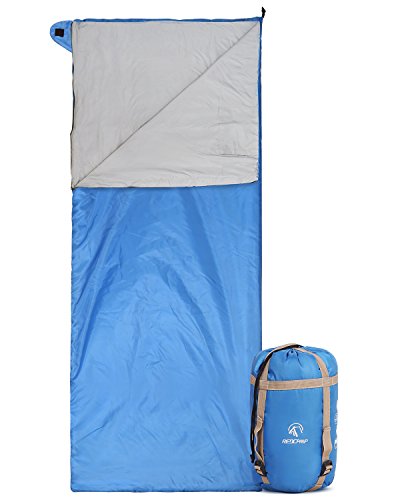
Ultralight Rectangular Sleeping Bag: The Complete Guide
Everything you need to know before buying an ultralight rectangular sleeping bag for your next camping or backpacking adventure.
View Recommended ProductsWhy Choose an Ultralight Rectangular Sleeping Bag?
When you are planning a camping or backpacking trip, every ounce of weight in your pack matters. An ultralight rectangular sleeping bag offers the perfect balance between comfort, versatility, and portability. Unlike mummy-style bags that can feel restrictive, rectangular bags provide ample room to move, making them ideal for campers who prioritize a good night's sleep without sacrificing too much pack space.
Whether you are a weekend car camper or a long-distance backpacker, understanding the nuances of ultralight rectangular sleeping bags will help you make an informed decision. This guide covers materials, temperature ratings, insulation types, and key features to look for. If you are also considering other sleep systems, you might want to explore our guide on the ultralight zero degree sleeping bag for colder conditions, or learn about the sleeping bag temperature guide to understand ratings better.
What Makes a Sleeping Bag "Ultralight"?
An ultralight rectangular sleeping bag typically weighs significantly less than traditional rectangular bags, often achieved through advanced materials and thoughtful design. The key factors that contribute to a bag's ultralight status include:
- Shell and Lining Materials: High-quality ripstop nylon or polyester with a low denier (e.g., 10D to 20D) reduces weight while maintaining durability. Some premium models use fabrics treated for water resistance and breathability.
- Insulation Type: Down insulation (especially high fill-power goose down) offers the best warmth-to-weight ratio. Synthetic insulations like PrimaLoft or Climashield are heavier but perform better in wet conditions.
- Construction: Baffle design, stitch patterns, and the absence of unnecessary features (like heavy zippers or bulky draft collars) all contribute to weight savings.
- Zipper and Hardware: Ultralight bags often use smaller, lighter zippers or even half-zip designs to shave grams.
For those who want to further reduce weight, consider pairing your sleeping bag with a lightweight silk sleeping bag liner for added warmth and hygiene, or a ultralight backpacking sleeping pad for insulation from the ground.
Rectangular vs. Mummy: Which Shape Is Right for You?
Rectangular sleeping bags are favored for their roominess and comfort. They allow you to stretch out, roll over, and even zip two bags together for shared warmth. However, they are generally less thermally efficient than mummy bags because there is more air space to heat.
Ultralight rectangular bags bridge this gap by using efficient insulation and smart design to minimize weight while maximizing comfort. If you prioritize freedom of movement and often camp in milder conditions, a rectangular bag is an excellent choice. For extreme cold or strict weight limits, a mummy bag might be more suitable. If you are unsure, our article on tent vs hammock discusses broader sleep system choices.
Understanding Temperature Ratings
Temperature ratings are crucial when selecting an ultralight rectangular sleeping bag. Most manufacturers provide three ratings:
- Comfort Rating: The temperature at which an average woman can sleep comfortably.
- Lower Limit: The temperature at which an average man can sleep comfortably.
- Extreme Rating: A survival rating, not for comfortable sleep.
For three-season camping, look for a bag with a comfort rating around 20°F to 35°F. If you plan to camp in winter, you will need a bag with a lower rating. For winter adventures, check out our winter sleeping bags guide and cold weather camping gear checklist.
| Season | Recommended Comfort Rating | Typical Use Case |
|---|---|---|
| Summer | 35°F to 50°F | Warm weather camping, low elevations |
| Three-Season | 20°F to 35°F | Spring, summer, fall camping |
| Winter | 0°F to 20°F | Cold weather, high elevations |
| Extreme Winter | Below 0°F | Mountaineering, polar expeditions |
Down vs. Synthetic Insulation
The insulation in your sleeping bag determines its warmth, weight, and packability. Here is a comparison:
Down Insulation
- Pros: Superior warmth-to-weight ratio, highly compressible, durable if cared for properly.
- Cons: Loses insulating ability when wet, more expensive, requires special cleaning.
- Best for: Backpackers and campers in dry, cold conditions.
Synthetic Insulation
- Pros: Retains warmth when wet, more affordable, easier to care for.
- Cons: Heavier and bulkier than down, less durable over time.
- Best for: Wet climates, budget-conscious campers, and beginners.
If you are looking for a premium ultralight option, a high fill-power down bag (800+ fill) is your best bet. For those who want added warmth, a battery powered heated sleeping bag or a camping sleeping pad non inflatable can complement your sleep system.
Key Features to Look For
When shopping for an ultralight rectangular sleeping bag, pay attention to these features:
- Zipper Configuration: Full-length zippers allow you to open the bag like a blanket. Some ultralight models use half-zips to save weight.
- Draft Collar and Tube: These prevent warm air from escaping. Ultralight bags may have minimal versions to save weight.
- Hood: Rectangular bags often lack a hood, but some have a hooded version for extra warmth. If you need a hood, consider a zero degree bag.
- Pad Attachment: Some bags have loops or sleeves to attach to a sleeping pad, preventing tossing and turning. Pair with an extra wide backpacking sleeping pad for maximum comfort.
- Storage: A stuff sack and a larger storage sack are usually included. A backpacking sleeping bag stuff sack can help compress your bag further.
- Shell Fabric: Look for water-resistant treatments (DWR) and breathable fabrics.
How to Choose the Right Ultralight Rectangular Sleeping Bag
Follow these steps to find the perfect bag for your needs:
- Determine Your Camping Conditions: Will you camp in summer, three-season, or winter? This dictates the temperature rating.
- Decide on Insulation: Down for dry, cold conditions; synthetic for wet, humid climates.
- Consider Your Sleeping Style: Side sleepers and active sleepers often prefer rectangular bags for freedom of movement.
- Check the Weight and Packed Size: Ultralight bags should weigh under 2 lbs and pack down small. Compare with other options like a ultra lightweight down sleeping bag or a top rated lightweight sleeping bag.
- Try Before You Buy: If possible, test the bag in-store or read reviews about sizing.
- Accessorize: Consider a silk liner for added warmth and cleanliness, and a most comfortable backpacking pillow for neck support.
For families, a lightweight two person sleeping bag or lightweight children's sleeping bags might be more practical. If you are a motorcycle camper, check out our sleeping bag for motorcycle camping guide.
Care and Maintenance Tips
To extend the life of your ultralight rectangular sleeping bag:
- Always store your bag loosely in a large cotton or mesh sack, not compressed.
- Clean your bag according to the manufacturer's instructions. Down bags require special down wash.
- Avoid getting your bag wet. If it does get wet, dry it thoroughly in a well-ventilated area, away from direct sunlight.
- Use a sleeping bag liner to keep the inside clean and reduce the frequency of washing.
- Repair small tears immediately with repair tape to prevent them from growing.
Frequently Asked Questions
Can I use an ultralight rectangular sleeping bag for backpacking?
Yes, many ultralight rectangular bags are designed specifically for backpacking. They are lightweight, compressible, and offer more room than mummy bags. However, if you need the absolute lightest option, a mummy bag may be more efficient.
Are rectangular sleeping bags warmer than mummy bags?
No, mummy bags are generally warmer because they have less air space to heat. However, an ultralight rectangular bag with high-quality insulation can still provide excellent warmth for three-season camping.
What is the best fill power for an ultralight sleeping bag?
For ultralight applications, look for down fill power of 800 or higher. Higher fill power means more warmth for less weight. For synthetic options, PrimaLoft Gold or similar high-performance insulations are good choices.
How do I clean my ultralight sleeping bag?
Always follow the manufacturer's instructions. For down bags, use a gentle down wash and tumble dry low with dryer balls. For synthetic bags, use a mild detergent and tumble dry low. Avoid dry cleaning unless specified.
Can I zip two ultralight rectangular sleeping bags together?
Many rectangular bags are designed to be zipped together, but you need to check if they have compatible zippers (left and right). Some ultralight models may not have this feature to save weight.
Final Thoughts
An ultralight rectangular sleeping bag is a fantastic investment for campers who value comfort and portability. By understanding temperature ratings, insulation types, and key features, you can choose a bag that meets your specific needs. Whether you are a beginner or an experienced backpacker, the right sleeping bag will ensure you wake up refreshed and ready for adventure.
Remember to check our recommended products below to find the best ultralight rectangular sleeping bag for your next trip. For more camping tips and gear guides, explore our camping essentials for first timers and essential equipment for backpacking.