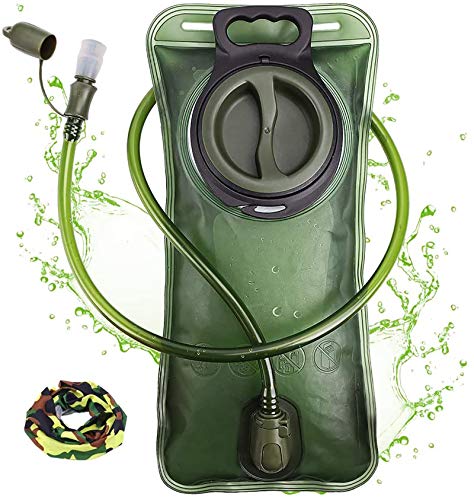
A camping backpack with water bladder is one of the most practical investments you can make for outdoor adventures. Unlike traditional backpacks that require you to stop, remove your pack, and dig out a water bottle every time you need a drink, a hydration backpack lets you sip continuously through a tube while you hike, climb, or explore. This seamless access to water keeps you properly hydrated, which directly impacts your energy levels, focus, and overall safety on the trail.
Whether you are planning a day hike, a multi-day backpacking trip, or a family camping weekend, understanding how hydration packs work and what features matter most will help you make a confident purchase decision. This guide covers everything you need to know, from bladder capacity and pack volume to harness comfort and durability.
Quick Tip: If you are new to backpacking, start with our camping essentials for first-timers guide to build a solid foundation before investing in specialized gear.
Why Choose a Backpack With a Water Bladder?
Hydration systems have become standard equipment for hikers, trail runners, and backpackers for good reason. Here are the primary advantages:
- Hands-free hydration: You can drink while walking without breaking stride or removing your pack.
- Better hydration habits: Easy access encourages you to drink more frequently, preventing dehydration before it starts.
- Weight distribution: Water sits close to your back in a bladder, creating a lower profile than bulky bottles on the sides of your pack.
- Convenience: No need to stop and search for a bottle; the bite valve is always within reach.
- Capacity: Bladders typically hold 1.5 to 3 liters, more than most single water bottles.
For backpacking trips where every ounce matters, a hydration bladder integrated into your pack often makes more sense than carrying multiple bottles. If you are building a complete backpacking setup, consider pairing your hydration pack with a ultralight backpacking sleeping pad and a lightweight two-person sleeping bag to keep your overall load manageable.
Key Features to Evaluate
1. Bladder Capacity and Pack Volume
Hydration packs come in a range of sizes. The bladder capacity (measured in liters) determines how much water you can carry, while the pack volume (measured in liters) determines how much gear you can carry alongside it.
| Use Case | Bladder Capacity | Pack Volume | Best For |
|---|---|---|---|
| Day hikes | 1.5 - 2 liters | 10 - 20 liters | Short trails, urban hiking |
| Full-day adventures | 2 - 3 liters | 20 - 30 liters | Long day hikes, sightseeing |
| Overnight backpacking | 2 - 3 liters | 30 - 50 liters | 1-2 night trips |
| Multi-day expeditions | 3+ liters | 50 - 70+ liters | Extended trips, thru-hikes |
For most campers, a 2-liter bladder paired with a 20-30 liter pack offers the best balance of hydration and gear capacity. If you are planning cold-weather trips, you may need additional insulation for the tube and bladder, as discussed in our cold weather camping gear checklist.
2. Harness and Suspension System
The harness is what connects the pack to your body. A well-designed harness distributes weight across your shoulders and hips, reducing fatigue on long treks. Look for:
- Padded shoulder straps: Wider straps with breathable mesh reduce pressure points.
- Sternum strap: Keeps the pack stable and prevents shoulder straps from sliding.
- Hip belt: Essential for packs over 20 liters; transfers weight to your hips.
- Ventilation: Back panel designs that promote airflow reduce sweating.
Comfort is highly personal, so if possible, try on packs with weight inside before buying. A pack that fits poorly will cause discomfort regardless of how many premium features it has.
3. Bladder Quality and Maintenance
Not all bladders are created equal. Key considerations include:
- Material: Polyurethane and thermoplastic polyurethane (TPU) are common; food-grade materials are safest.
- Opening size: Wide openings are easier to fill and clean.
- Bite valve: Look for a valve that seals well and is easy to use with one hand.
- Tube insulation: Important for cold weather to prevent freezing.
- Cleaning kit: Some brands include brushes and drying hangers.
Proper maintenance extends the life of your bladder and keeps your water tasting fresh. Rinse after each trip, dry thoroughly, and store with the bladder open to prevent mold.
4. Durability and Materials
Backpacks take a beating on the trail. Look for:
- Abrasion-resistant fabric: Ripstop nylon and polyester are common.
- Reinforced stitching: Double-stitched seams in high-stress areas.
- Water-resistant coating: DWR (durable water repellent) treatments help shed light rain.
- Quality zippers: YKK zippers are a good indicator of quality.
If you frequently camp in wet conditions, consider pairing your pack with a lightweight waterproof camping tarp to create a sheltered area for your gear.
Types of Hydration Backpacks
Minimalist Hydration Packs (10-20L)
These are designed for fast-and-light adventures. They typically include a bladder sleeve, a few small pockets, and a lightweight harness. Ideal for trail running, day hikes, and bike rides. If you prefer an ultralight setup, you might also be interested in a budget lightweight backpacking tent to keep your overall pack weight down.
Versatile Daypacks (20-35L)
The most popular category for campers. These packs offer enough room for a jacket, lunch, first aid kit, and extra layers, plus a dedicated bladder compartment. Many include hip belts and compression straps. For comfort during breaks, consider adding a high back lightweight camping chair to your gear list.
Backpacking Packs (35-65L+)
Full-sized packs for overnight and multi-day trips. These include robust suspension systems, multiple compartments, and often a dedicated hydration sleeve. If you are planning winter trips, pair your pack with a sleeping bag for winter backpacking and a battery-powered heated sleeping bag for added warmth.
How to Choose the Right Size
Torso length, not height, determines pack size. Measure from the base of your neck (C7 vertebra) to the top of your hip bones. Most packs come in small, medium, and large torso ranges. A properly sized pack will rest comfortably on your hips with the shoulder straps bearing minimal weight.
If you are shopping for a child, look for packs designed for smaller frames. A lightweight children's sleeping bag is also a good companion piece for family camping trips.
Fit Tip: Always adjust the hip belt first, then the shoulder straps, and finally the sternum strap. The majority of the pack weight should sit on your hips, not your shoulders.
Hydration Bladder Maintenance Tips
- Rinse after every use: Fill with warm water and a mild cleaning solution, shake, and drain.
- Use cleaning tablets: Specialized bladder cleaning tablets kill bacteria and remove odors.
- Dry completely: Hang the bladder upside down with a drying hanger or use paper towels to absorb moisture.
- Store open: Keep the bladder open and in a cool, dry place to prevent mold growth.
- Replace periodically: Bladders degrade over time; replace every few seasons or if you notice cracks or persistent odors.
For more tips on keeping your gear in top condition, see our guide to camping gear wholesale distributors for sourcing replacement parts.
Common Mistakes to Avoid
- Overfilling the bladder: This can cause leaks and put stress on seams.
- Ignoring tube insulation: In cold weather, water in the tube can freeze. Use an insulated tube cover.
- Not cleaning regularly: Mold and bacteria can grow quickly in warm, moist environments.
- Choosing style over fit: A pack that looks great but fits poorly will ruin your trip.
- Carrying too much water: Water weighs about 1 kg per liter. Only carry what you need for the segment between refill points.
If you are camping in bear country, remember that proper food storage is critical. Our guide on food storage rules covers best practices for keeping wildlife away from your camp.
Frequently Asked Questions
Ready to Hit the Trail?
Browse our top-rated camping backpacks with water bladders and find the perfect match for your next adventure.
See Recommended PacksFinal Thoughts
A camping backpack with water bladder is more than just a convenience; it is a tool that helps you stay hydrated, energized, and focused on enjoying the outdoors. By considering bladder capacity, pack volume, harness comfort, and durability, you can choose a pack that serves you well for years.
Remember to maintain your bladder properly, adjust your pack correctly, and carry only what you need. Whether you are a casual day hiker or a seasoned backpacker, the right hydration pack makes every trip more enjoyable.
For more gear guidance, explore our other resources on essential equipment for backpacking and camping backpack with tent and sleeping bag to build a complete outdoor kit.