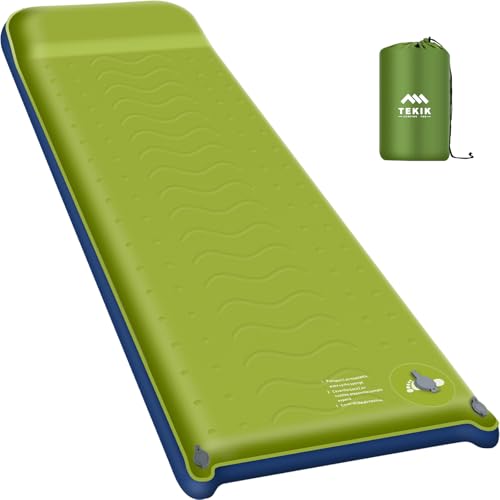
Memory Foam Self Inflating Mattress: The Ultimate Comfort Guide
Discover how a memory foam self inflating mattress combines the convenience of self-inflation with the superior comfort of memory foam. Learn what to look for and find the perfect match for your camping style.
Why Memory Foam Self Inflating Mattresses? These innovative sleeping pads offer the best of both worlds: the ease of a self-inflating design and the pressure-relieving comfort of memory foam. They are ideal for campers who prioritize a good night's sleep without the hassle of manual pumps or bulky air beds.
What Is a Memory Foam Self Inflating Mattress?
A memory foam self inflating mattress is a hybrid sleeping pad that combines an open-cell foam core with a memory foam layer, all encased in an airtight, waterproof shell. When you unroll the mattress and open the valve, the foam expands and draws air in, inflating the pad to its full thickness. The memory foam layer then conforms to your body shape, providing personalized support and pressure relief.
Unlike traditional air mattresses that require a pump, or simple foam pads that offer limited cushioning, these mattresses deliver a unique blend of convenience, comfort, and insulation. They are particularly popular among camping essentials for first-timers and experienced campers alike who want a reliable, comfortable sleep system.
How Does a Self Inflating Mattress Work?
The magic of a self inflating mattress lies in its open-cell foam core. This foam is compressed during manufacturing and sealed inside an airtight shell. When you open the valve, the foam's natural tendency to expand creates a negative pressure that pulls air into the pad. The memory foam layer on top adds an extra level of comfort by softening upon contact with body heat and contouring to your shape.
For those who want a more customized firmness, you can simply blow a few breaths of air into the valve to increase the pressure. To deflate, you roll the mattress tightly while the valve is open, pushing the air out. This simple mechanism makes them incredibly user-friendly, especially when compared to blow-up beds with built-in pumps that require a power source.
Key Features to Consider
Thickness & Comfort
Memory foam self inflating mattresses typically range from 1.5 to 4 inches thick. Thicker pads offer more cushioning and are better for side sleepers, while thinner pads are lighter and more packable. The memory foam layer adds plushness that standard self-inflating pads lack.
R-Value (Insulation)
The R-value measures a pad's ability to resist heat loss. For three-season camping, look for an R-value of 3 or higher. For winter camping, consider a pad with an R-value of 5 or more. Memory foam itself adds some insulation, but the overall R-value depends on the foam core and construction.
Weight & Packability
These mattresses are generally heavier and bulkier than simple air pads. If you're backpacking, look for ultralight models with a high compression ratio. For car camping, weight is less of a concern, and you can prioritize comfort and thickness.
Durability & Materials
The outer shell is usually made of polyester or nylon with a waterproof coating. The foam core should be dense enough to resist bottoming out. Memory foam layers can vary in quality; higher-density memory foam retains its shape longer and provides better support.
Valve Design
A reliable valve is crucial for easy inflation and deflation. Look for a valve that seals tightly and allows for fine-tuning of firmness. Some models feature a two-way valve that separates inflation and deflation for faster setup and pack-down.
Size & Shape
Available in various sizes, from petite (for solo backpackers) to extra-wide and long (for car campers). Some models are rectangular, while others are mummy-shaped to save weight. Consider your sleeping style and tent size when choosing.
Memory Foam vs. Standard Self Inflating vs. Air Mattress
Understanding the differences between these three types of sleeping pads can help you make an informed decision. Here's a quick comparison:
| Feature | Memory Foam Self Inflating | Standard Self Inflating | Air Mattress |
|---|---|---|---|
| Comfort | Excellent – memory foam contours to body | Good – firm support | Variable – can be too firm or soft |
| Convenience | High – self-inflates, no pump needed | High – self-inflates | Low – requires pump or manual inflation |
| Weight | Moderate to heavy | Light to moderate | Heavy |
| Packability | Moderate – bulkier than air pads | Good – compresses well | Poor – takes up lots of space |
| Insulation (R-Value) | Good to excellent (3–7+) | Good (2–6) | Poor to moderate (1–3) |
| Durability | High – foam resists punctures | High | Moderate – prone to leaks |
| Best For | Car campers, comfort-seekers, side sleepers | Backpackers, all-around camping | Guests, occasional indoor use |
Pros and Cons of Memory Foam Self Inflating Mattresses
✓ Pros
- Exceptional comfort and pressure relief
- No pump required – self-inflating
- Good insulation for three-season camping
- Durable and puncture-resistant
- Ideal for side sleepers and those with back pain
- Quiet – no crinkling like some air pads
✗ Cons
- Heavier and bulkier than air pads
- May take longer to self-inflate fully
- Can be expensive for premium models
- Not ideal for ultralight backpacking
- Memory foam can retain heat in warm weather
Who Should Buy a Memory Foam Self Inflating Mattress?
These mattresses are perfect for a specific type of camper. You should consider one if:
- You're a car camper or glamper who values comfort over minimal weight.
- You're a side sleeper who needs pressure relief for hips and shoulders.
- You have back pain and need a supportive, contouring sleep surface.
- You camp in cooler weather and need a pad with a decent R-value.
- You want convenience – no pump, no batteries, just unroll and go.
If you're an ultralight backpacker counting every ounce, a simpler ultralight backpacking sleeping pad might be a better fit. But for everyone else, a memory foam self inflating mattress is a worthy investment in sleep quality.
How to Choose the Right Memory Foam Self Inflating Mattress
With so many options on the market, narrowing down your choice can be overwhelming. Here are the key factors to evaluate:
1. Intended Use
Are you using it for car camping, backpacking, or as a guest bed? Car campers can prioritize thickness and comfort, while backpackers need to balance weight and packability. If you're a backpacker, you might also consider a self inflating backpacking mattress that's lighter and more compact.
2. Thickness and Size
Thicker pads (3–4 inches) offer more comfort but are heavier and bulkier. Choose a size that fits your tent and sleeping style. Extra-wide pads are great for those who move around a lot during sleep.
3. R-Value
Match the R-value to your camping season. Summer campers can get by with R-value 2–3, while three-season campers should aim for 3–5. Winter campers need R-value 5 or higher. Pair your pad with a sleeping bag temperature guide to ensure your entire sleep system is up to the challenge.
4. Packed Size and Weight
Check the packed dimensions and weight. If you're tight on space, look for a model that compresses down efficiently. Remember that memory foam adds bulk, so ultralight models may sacrifice some comfort.
5. Durability and Warranty
Look for a pad with a durable shell and a solid warranty. A good warranty indicates the manufacturer's confidence in their product. Also, check user reviews for common issues like valve leaks or foam breakdown.
Ready to Upgrade Your Camping Sleep?
Explore our curated selection of top-rated memory foam self inflating mattresses. Whether you're a weekend warrior or a seasoned adventurer, there's a perfect pad for you.
See Top PicksFrequently Asked Questions
How long does it take for a self inflating mattress to fully inflate?
Most self inflating mattresses take about 5–15 minutes to fully inflate on their own. You can speed up the process by blowing a few breaths into the valve. For a firmer feel, add more air manually.
Can I use a memory foam self inflating mattress for backpacking?
Yes, but they are generally heavier and bulkier than standard air pads. If you're backpacking, look for a lightweight model specifically designed for backpacking. Otherwise, a lightweight inflatable sleeping mat might be a better choice.
How do I clean and maintain my memory foam self inflating mattress?
Clean the surface with a damp cloth and mild soap. Avoid submerging the mattress in water. Store it unrolled with the valve open in a cool, dry place to allow the foam to recover and prevent mold.
What is the best R-value for three-season camping?
For three-season camping, an R-value of 3 to 5 is generally recommended. This provides adequate insulation for spring, summer, and fall conditions. For winter camping, aim for R-value 5 or higher.
Are memory foam self inflating mattresses worth the extra weight?
If comfort is your top priority, absolutely. The memory foam layer provides superior pressure relief and support, which can make a significant difference in sleep quality. For car campers and those who don't mind a bit of extra weight, they are an excellent choice.
Can I use a memory foam self inflating mattress on a camping cot?
Yes, many campers use them on cots for added comfort. A camping cot elevates you off the ground, and the mattress adds a plush, supportive layer on top. Just ensure the cot is stable and the mattress fits well.
Related Guides
To further enhance your camping sleep system, explore these related articles:
- Memory Foam Mattress Topper for Camping – Add memory foam comfort to your existing pad.
- Self Inflating Sleeping Pad Reviews – Compare top-rated self-inflating pads.
- Camping Sleeping Pad Non-Inflatable – Explore closed-cell foam options.
- Most Comfortable Way to Sleep in a Tent – Tips for a better night's sleep.
- Temperature Regulating Mattress Pad – Stay cool or warm as needed.