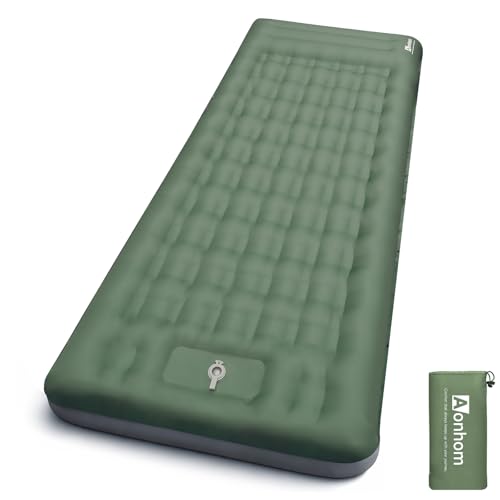
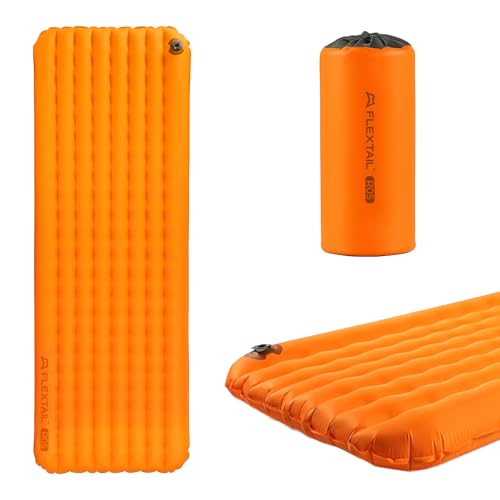
Extra Wide Backpacking Sleeping Pad: The Ultimate Comfort Guide
Discover how a wider sleeping pad transforms your backpacking experience. We break down stability, insulation, packed size, and top-tier options for side sleepers and restless night movers.
SEE TOP PICKSWhy Go Wide? Standard sleeping pads are typically 20 inches wide. An extra wide backpacking sleeping pad usually measures 25 to 30 inches across, providing room to roll over, tuck your arms, and sleep comfortably without touching the cold ground. For side sleepers and larger frames, the difference is life-changing.
Why Choose an Extra Wide Sleeping Pad?
Superior Stability
A wider pad keeps you centered all night. No more waking up half-off your mattress or feeling the ground through a thin edge. This is especially critical for side sleepers who need hip and shoulder support.
Better Insulation Coverage
Wider pads reduce cold spots. When your sleeping bag compresses against the ground, you lose warmth. An extra wide pad ensures your entire body rests on insulated surfaces, not the cold earth. Pair it with a cold weather camping gear checklist for full protection.
Freedom to Move
Restless sleepers can toss and turn without falling off. If you've ever struggled with a narrow mummy pad, a wide rectangular or semi-rectangular pad gives you the freedom to find your perfect sleep position.
Key Features to Evaluate
- Width & Length: Look for pads at least 25 inches wide. Long versions (78 inches) accommodate taller campers. Consider a lightweight inflatable sleeping mat if pack size is a concern.
- R-Value: This measures insulation. For three-season camping, aim for R-3 to R-5. For winter, look for R-5 and above. A temperature regulating mattress pad can supplement warmth.
- Thickness: 2.5 to 4 inches provides ample cushioning for side sleepers. Thicker pads are more comfortable but weigh more and pack larger.
- Type: Air pads are lightest and most packable. Self-inflating pads offer convenience. Closed-cell foam pads are bombproof but bulky. For backpacking, air pads are usually the best choice.
- Weight & Packed Size: Ultralight models sacrifice some durability and warmth for portability. If you're counting ounces, consider an ultralight backpacking sleeping pad that still offers extra width.
- Valve & Inflation: Look for a reliable valve system. Some pads include pump sacks or built-in pumps for easy inflation.
Extra Wide Sleeping Pad Tiers at a Glance
| Feature | Entry-Level | Mid-Range | Premium |
|---|---|---|---|
| Typical Width | 25 inches | 25–27 inches | 27–30 inches |
| R-Value Range | R-2 to R-3 | R-3 to R-5 | R-5 to R-7+ |
| Weight | Heavier, bulkier | Moderate | Ultralight materials |
| Durability | Basic | Good | Excellent, reinforced |
| Best For | Occasional campers | Regular backpackers | Serious adventurers |
| Packed Size | Large | Medium | Compact |
Who Needs an Extra Wide Pad?
Side Sleepers
If you sleep on your side, your hips and shoulders need cushioning. A wider pad prevents you from rolling off and ensures pressure relief. For additional comfort, consider a memory foam self-inflating mattress.
Taller or Larger Campers
Standard pads feel cramped for anyone over 6 feet or with broader shoulders. Extra wide and long pads provide the space you need for a restful night.
Restless Sleepers
If you toss and turn, a wide pad keeps you on the mattress. No more waking up on the cold ground at 3 AM.
How to Choose the Right Extra Wide Pad
Start by assessing your camping style. If you're a weekend warrior who car camps, weight is less critical—prioritize comfort and thickness. For backpacking, balance weight with width. A self-inflating sleeping pad review can help you compare convenience versus packability.
Consider your sleep system. If you use a quilt, a wider pad prevents drafts. If you use a mummy bag, ensure the pad fits inside the bag's sleeve or straps. For winter camping, pair your pad with a sleeping bag for winter backpacking and a high R-value pad.
Don't forget the valve and inflation method. Some pads inflate in minutes with a pump sack; others require lung power. If you have mobility issues, look for pads with built-in pumps. Also, check the warranty—premium pads often come with lifetime guarantees.
Ready to Upgrade Your Sleep?
Browse our curated selection of extra wide backpacking sleeping pads below. We've partnered with Amazon to bring you top-rated options for every budget and adventure.
VIEW RECOMMENDED PADSFrequently Asked Questions
Is an extra wide sleeping pad worth the extra weight?
For many backpackers, yes. The improved sleep quality translates to better energy and mood on the trail. If you struggle with narrow pads, the weight penalty (often just a few ounces) is a worthwhile trade-off. Ultralight models now offer wide options without excessive weight.
Can I use a wide pad in a mummy sleeping bag?
It depends on the bag. Some mummy bags have pad sleeves that accommodate wider pads. Others may feel cramped. If you use a wide pad, consider a semi-rectangular or quilt-style bag for more room. A ultralight rectangular sleeping bag pairs well with wide pads.
What R-value do I need for three-season camping?
For spring, summer, and fall, an R-value of 3 to 5 is generally sufficient. If you camp in early spring or late fall, aim for R-5 or higher. For winter, look for R-5 to R-7+. Pair with a temperature control mattress topper for extra warmth.
How do I prevent my wide pad from sliding?
Look for pads with textured surfaces or silicone grip dots. Some pads come with integrated straps or sleeves to connect to your sleeping bag. Placing a thin foam pad underneath can also add friction and prevent sliding.
Are wider pads more prone to punctures?
Not necessarily. Puncture resistance depends on material denier and construction, not width. Premium pads use 30D to 70D fabrics with reinforced laminates. Always use a ground sheet or tent floor to protect your pad from sharp objects.
Explore More: If you're building a complete sleep system, check out our guides on non-inflatable camping sleeping pads, lightweight two-person sleeping bags, and backpacking sleeping bag stuff sacks. For backpacking essentials, don't miss our essential equipment for backpacking checklist.