Ultralight Backpacking Sleeping Pad Guide
Sleep better, pack lighter. Everything you need to choose the perfect ultralight sleeping pad for your next thru-hike or fast-packing adventure.
COMPARE PAD TYPESWhy Ultralight Sleeping Pads Matter: A good night's sleep is not a luxury on the trail—it is essential for recovery, energy, and safety. Your sleeping pad is the foundation of your sleep system. It insulates you from the cold ground, cushions your body, and packs down to almost nothing. Choosing the right ultralight pad can make the difference between a miserable night and a restorative one, all while keeping your pack weight to a minimum.
Why Your Sleeping Pad Is a Critical Piece of Gear
When you are backpacking, the ground is your bed. Without proper insulation, your body heat will drain into the earth, leaving you cold, stiff, and exhausted. A sleeping pad solves this by creating a barrier between you and the ground. It also provides cushioning for a more comfortable night's sleep, which is crucial when you are covering long distances day after day. For ultralight backpackers, every gram counts, so finding a pad that balances warmth, comfort, durability, and weight is a top priority. If you are also looking to minimize your pack weight in other areas, consider pairing your pad with an ultralight zero degree sleeping bag and a lightest freestanding 1-person tent to create a complete ultralight sleep and shelter system.
Understanding the Three Main Types of Ultralight Sleeping Pads
There are three primary types of sleeping pads used by ultralight backpackers: closed-cell foam, self-inflating, and inflatable air pads. Each has its own strengths and weaknesses. Your choice will depend on your priorities—whether that is minimal weight, maximum comfort, or bombproof durability.
1. Closed-Cell Foam Pads
Closed-cell foam pads are the simplest and most durable option. They are made from a single layer of foam with sealed cells that prevent air from escaping. They cannot puncture, they never deflate, and they are incredibly lightweight. The trade-off is comfort and packability—they are firmer than other types and usually need to be strapped to the outside of your pack. For the lightest possible setup, some backpackers combine a closed-cell foam pad with an inflatable pad for extra warmth and protection. If you prefer a non-inflatable option, check out our guide to the camping sleeping pad non-inflatable for more details.
2. Self-Inflating Pads
Self-inflating pads combine open-cell foam with an airtight shell. When you open the valve, the foam expands and draws in air. You can then top them off with a few breaths for firmness. They offer a good balance of comfort, durability, and convenience. However, they are generally heavier and bulkier than pure inflatable pads, making them less ideal for ultralight pursuits. They are a popular choice for car camping and shorter trips where weight is less of a concern. For a deeper dive into this category, see our self inflating sleeping pad reviews.
3. Inflatable Air Pads
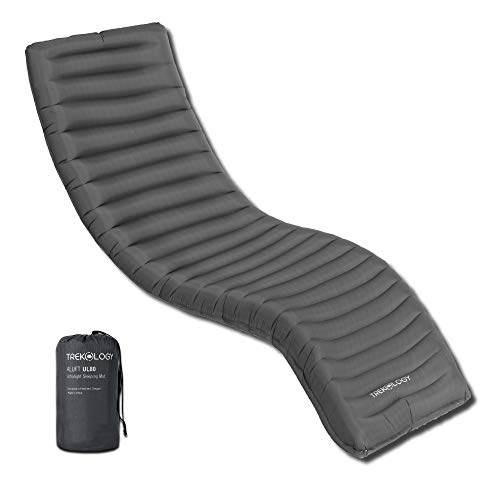
Inflatable air pads are the most popular choice for ultralight backpackers. They consist of an airtight shell with internal baffles that create a cushion of air. They pack down incredibly small, offer excellent comfort, and can be adjusted for firmness. The main drawbacks are weight (though many models are now very light), potential for punctures, and the need to inflate them manually. Modern ultralight inflatable pads use advanced materials like 20D nylon and TPU coatings to keep weight low while maintaining durability. If you are looking for the lightest possible inflatable option, explore our guide to the lightweight inflatable sleeping mat and the inflatable sleeping pad backpacking.
Sleeping Pad Type Comparison
| Type | Weight | Comfort | Packability | Durability | Best For |
|---|---|---|---|---|---|
| Closed-Cell Foam | Ultralight | Basic | Bulky | Excellent | Minimalist, emergency use, extra insulation |
| Self-Inflating | Mid-range | Good | Moderate | Very Good | Car camping, shorter trips, convenience |
| Inflatable Air | Ultralight to Mid-range | Excellent | Excellent | Good (with care) | Thru-hikes, ultralight backpacking, side sleepers |
Key Specs to Compare: R-Value, Weight, and Dimensions
When evaluating an ultralight sleeping pad, three specifications matter most: R-value, weight, and dimensions. Understanding these will help you make an informed decision.
R-Value: The Measure of Warmth
The R-value indicates a pad's ability to resist heat loss. The higher the R-value, the warmer the pad. For three-season backpacking, an R-value between 2.0 and 3.5 is typically sufficient. For winter camping, you will want an R-value of 4.0 or higher. Ultralight pads often have lower R-values to save weight, so if you sleep cold or camp in colder conditions, prioritize a higher R-value. You can extend the warmth of your pad by combining it with a closed-cell foam pad underneath. For cold-weather adventures, pair your pad with a sleeping bag for winter backpacking and check our cold weather camping gear checklist.
Weight: Every Gram Counts
For ultralight backpackers, weight is often the primary consideration. Sleeping pad weights range from around 300 grams for minimalist foam pads to over 900 grams for luxurious inflatable pads. The lightest inflatable pads can weigh as little as 400 grams. When comparing pads, consider the weight-to-warmth ratio—a slightly heavier pad with a higher R-value may be worth the extra grams for better sleep. If you are optimizing your entire pack, look at our guide to essential equipment for backpacking.
Dimensions: Length, Width, and Thickness
Sleeping pads come in various sizes. Standard lengths are 72 inches (regular) and 78 inches (long). Widths typically range from 20 inches (narrow) to 25 inches (wide). Thickness varies from 1 inch for foam pads to 4 inches or more for inflatable pads. For ultralight backpacking, a shorter pad (e.g., 48 inches) can save weight, but you may need to place your backpack under your legs for insulation. Side sleepers often prefer thicker, wider pads for comfort. If you need extra space, consider an extra wide backpacking sleeping pad.
How to Choose the Right Ultralight Sleeping Pad for Your Needs
Choosing the right pad involves balancing your budget, the conditions you will encounter, and your personal comfort preferences. Here is a step-by-step approach:
- Determine your camping style: Are you a thru-hiker counting every gram, a weekend backpacker, or a car camper? Ultralight inflatable pads are best for thru-hikes; self-inflating pads are great for car camping.
- Assess the climate: For three-season use, an R-value of 2.0–3.5 works. For winter, aim for 4.0+. If you camp in wet conditions, consider a pad with a higher denier fabric for durability.
- Consider your sleep position: Side sleepers need thicker pads (3+ inches) to prevent hip pressure. Back sleepers can use thinner pads. Stomach sleepers may prefer a firmer pad.
- Decide on packability: Inflatable pads pack down to the size of a water bottle, while foam pads must be strapped externally. If pack space is tight, go inflatable.
- Set a budget tier: Entry-level pads are functional and heavier. Mid-range pads offer a good balance of weight and comfort. Premium pads are the lightest and most comfortable, using advanced materials.
Tips for Using and Maintaining Your Ultralight Sleeping Pad
To get the most out of your investment, follow these best practices:
- Use a groundsheet: Place a thin groundsheet or Tyvek under your pad to protect it from punctures and dirt.
- Clear your site: Before setting up, remove sharp rocks, twigs, and debris from your tent area. For tips on setting up in challenging conditions, see our guides on set up a tent in the rain and setting up a tent in the snow.
- Inflate properly: Avoid over-inflating, which can stress the seams. Most pads are firm enough when they feel taut but still have a slight give.
- Store loosely: Store your pad unrolled and with the valve open to prevent moisture buildup and extend its life.
- Repair punctures: Carry a repair kit with patches and adhesive. Most punctures can be fixed on the trail.
- Keep it clean: Wipe down your pad with a damp cloth after each trip. Avoid harsh chemicals.
Frequently Asked Questions
What is the lightest type of backpacking sleeping pad?
Closed-cell foam pads are generally the lightest, with some weighing under 400 grams. However, for the best balance of weight and comfort, look for inflatable pads in the 400–600 gram range that use advanced materials like 20D nylon and TPU.
What R-value do I need for ultralight backpacking?
For three-season backpacking, an R-value of 2.0 to 3.5 is usually sufficient. For winter camping, you will need an R-value of 4.0 or higher. If you sleep cold, choose a higher R-value.
Are ultralight sleeping pads durable enough for thru-hikes?
Yes, many are designed specifically for thru-hikes. Look for a denier rating of 20D to 40D. Using a groundsheet and avoiding sharp objects will extend the life of your pad.
How do I choose between an inflatable and a foam sleeping pad?
Inflatable pads offer superior comfort and packability, ideal for side sleepers and those who prioritize rest. Foam pads are virtually indestructible and lighter but bulkier and less comfortable. For ultralight backpacking, inflatable pads are generally preferred.
Final Thoughts: Your ultralight backpacking sleeping pad is not just a comfort item—it is a critical piece of safety gear. By understanding the differences between foam, self-inflating, and inflatable pads, and by carefully considering R-value, weight, and dimensions, you can find a pad that keeps you warm, comfortable, and ready for the trail ahead. Remember to pair your pad with a suitable top rated lightweight sleeping bag and a lightweight silk sleeping bag liner for a complete sleep system. For more tips on preparing for your next adventure, explore our camping essentials for first timers and backpacking food from grocery store guides.