Lightweight Waterproof Camping Tarp: The Ultimate Shelter Guide
Discover how a lightweight waterproof camping tarp can replace your tent, reduce pack weight, and provide versatile protection in any weather. Your complete guide to choosing, using, and mastering tarp camping.
START EXPLORINGWhy a Lightweight Waterproof Camping Tarp Belongs in Your Pack
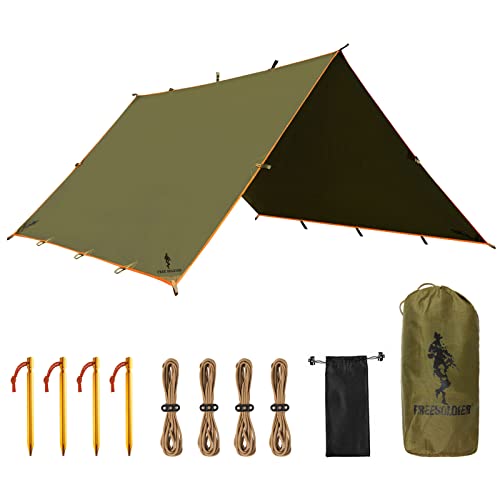
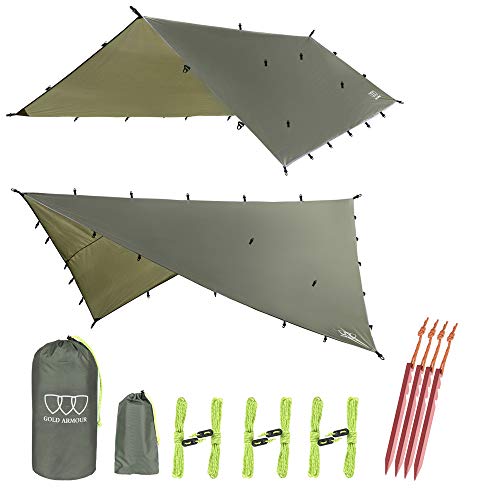
For backpackers, thru-hikers, and minimalist campers, every ounce matters. A lightweight waterproof camping tarp offers an unbeatable combination of shelter, versatility, and weight savings. Unlike traditional tents, a tarp can be configured in dozens of ways—from a simple A-frame to a full storm shelter—adapting to terrain, weather, and your imagination. Whether you're an ultralight enthusiast looking to shave grams or a weekend warrior seeking a reliable backup shelter, understanding tarp materials, construction, and setup is essential. This guide walks you through everything you need to know before making a purchase.
Materials & Construction: What Makes a Tarp Lightweight and Waterproof?
The performance of any camping tarp comes down to its fabric, coating, and construction. Here's what to look for:
Dyneema Composite Fabric (DCF)
Also known as Cuben Fiber, DCF is the gold standard for ultralight shelters. It's exceptionally strong, 100% waterproof, and doesn't stretch when wet. DCF tarps are the lightest option available, often weighing under 200 grams for a 2-person shelter.
Best for: Ultralight backpackers, thru-hikers, and those who prioritize weight above all else.
Trade-offs: Higher cost, less packability, and limited color options.
Silnylon (Silicone-Impregnated Nylon)
Silnylon is the most popular choice for lightweight tarps. It's strong, packs down small, and offers excellent waterproofing. The silicone coating on both sides makes it more durable than standard nylon and resistant to UV damage.
Best for: General backpacking, weekend trips, and campers who want a balance of weight, durability, and cost.
Trade-offs: Can stretch slightly when wet, requiring re-tensioning.
Polyester & PU-Coated Nylon
These are the most affordable tarp options. Polyester is UV-resistant and doesn't stretch, while PU-coated nylon offers decent waterproofing at a lower cost. Both are heavier than silnylon or DCF.
Best for: Car camping, budget-conscious buyers, and those who don't mind a bit of extra weight.
Trade-offs: Heavier, bulkier, and less durable over time.
When evaluating a tarp, pay attention to the hydrostatic head (HH) rating—a measure of waterproofness. A rating of 1,500mm is adequate for light rain, while 3,000mm or higher is suitable for sustained downpours. For more on weather protection, see our guide to cold weather camping gear.
Key Features to Evaluate Before You Buy
- Weight: Ultralight tarps range from 150g to 500g. Consider the weight of the tarp, guylines, and stakes as a complete system.
- Size: A 2.5m x 3m tarp is ideal for solo or two-person shelter. Larger tarps (3m x 3.5m) offer more coverage but add weight.
- Attachment Points: Look for reinforced tie-out points along the edges and center. More attachment points mean more pitching options.
- Shape: Rectangular tarps are the most versatile. Cat-cut (catenary cut) tarps reduce flapping and save weight but limit configuration options.
- Seam Sealing: Factory-sealed seams are a bonus. If not, you'll need to seal them yourself with silicone.
- Guylines & Stakes: Some tarps come as complete kits. If not, budget for quality reflective guylines and lightweight stakes. For shelter options that pair well with tarps, explore our lightest freestanding 1-person tent guide.
How to Pitch a Lightweight Waterproof Camping Tarp
One of the greatest advantages of tarp camping is the ability to adapt your shelter to the environment. Here are the most common configurations:
A-Frame
The classic configuration. Pitch the tarp over a ridge line between two trees or trekking poles. It offers excellent rain protection and ventilation. Ideal for moderate weather.
Best for: General camping, mild to moderate rain.
Lean-To
Stake one side to the ground and elevate the other. This provides wind protection on one side and an open view on the other. Great for windy conditions when paired with a windbreak.
Best for: Windy exposed areas, solo campers who want a view.
Storm Pitch / Burrito
A fully enclosed configuration that seals you in from the elements. Use trekking poles to create a low, aerodynamic shape. This is your go-to for severe weather.
Best for: Heavy rain, strong winds, and winter camping. For winter-specific tips, see our winter camping guide.
Diamond / Plow Point
A single-point pitch that creates a spacious, open shelter. It's quick to set up and offers excellent headroom. Best for fair weather and bug-free environments.
Best for: Quick lunch stops, fair weather camping, and emergency shelter.
Mastering tarp pitching takes practice. Start in your backyard before relying on it in the backcountry. For more on setting up shelters in challenging conditions, read our guides on setting up a tent in the rain and setting up a tent in the snow.
Tarp vs. Tent: Which Shelter Is Right for You?
Choosing between a tarp and a tent depends on your priorities. Here's a quick comparison:
- Weight: Tarps win. A complete tarp setup can weigh less than half of a comparable tent.
- Versatility: Tarps win. You can configure them in countless ways to suit conditions.
- Protection from Bugs: Tents win. Tarps offer no built-in insect protection unless paired with a bug net or bivy.
- Ease of Setup: Tents win for beginners. Tarps require skill and practice, especially in adverse weather.
- Space & Comfort: Tarps win for open, airy feel. Tents win for enclosed, private space.
- Cost: Entry-level tarps are more affordable than entry-level tents. Premium tarps can rival premium tents in cost.
If you're camping in areas with heavy bug pressure, a tarp alone may not be enough. Pair it with a lightweight bivy or bug net. For those who prefer a traditional shelter, consider a lightweight two-person sleeping bag system combined with a tent. If you're new to camping, our camping essentials for first-timers guide is a great starting point.
Essential Gear to Pair with Your Tarp
A tarp is just one part of a complete sleep system. Here's what you'll need for a comfortable night under a tarp:
- Sleeping Pad: Insulation from the ground is critical. A lightweight inflatable pad or closed-cell foam pad works well. See our reviews of the ultralight backpacking sleeping pad.
- Sleeping Bag or Quilt: Choose a bag rated for the expected temperatures. For cold conditions, a zero-degree sleeping bag may be necessary.
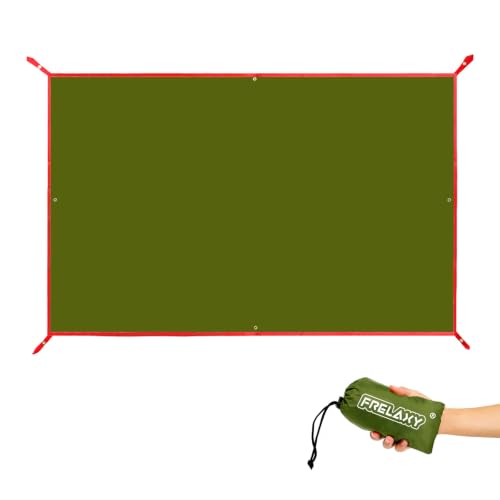
- Groundsheet: Protect your sleeping pad and bag from moisture and abrasion. A piece of Tyvek or a dedicated footprint works well.
- Bug Net or Bivy: Essential in buggy environments. A lightweight bivy adds warmth and insect protection.
- Trekking Poles: Used as tent poles for pitching your tarp. Adjustable poles are ideal. If you prefer a chair, consider a high-back lightweight camping chair for camp comfort.
- Stakes & Guylines: Carry a variety of stakes for different ground conditions. Reflective guylines prevent tripping at night.
Caring for Your Lightweight Waterproof Camping Tarp
To extend the life of your tarp, follow these simple maintenance tips:
- Clean After Every Trip: Wipe down with a damp cloth and mild soap. Avoid harsh detergents.
- Dry Thoroughly: Never store a wet tarp. Mildew can damage the fabric and coating.
- Re-Seal Seams: Inspect seams regularly and re-apply seam sealer as needed.
- Store Loosely: Avoid cramming your tarp into a stuff sack for long-term storage. Hang it or fold it loosely.
- Avoid Abrasion: Pitch on smooth ground and avoid dragging the tarp over rocks.
For more tips on campfire safety and regulations, see our campfire safety rules guide.
Final Verdict: Is a Lightweight Waterproof Camping Tarp Right for You?
A lightweight waterproof camping tarp is an incredibly versatile and efficient shelter for those willing to invest the time to master its setup. It offers unmatched weight savings, adaptability, and a connection to the outdoors that a tent simply can't match. If you're an ultralight backpacker, a minimalist camper, or someone looking to expand their shelter options, a quality tarp is a worthy addition to your gear closet.
For those who prioritize ease of use, bug protection, and enclosed comfort, a tent may still be the better choice. But for the adventurous soul, the tarp is a game-changer.
EXPLORE MORE CAMPING GEAR