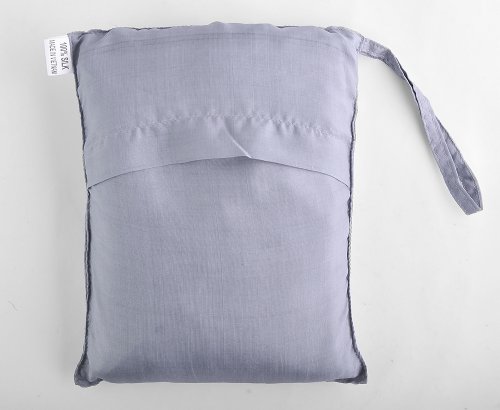
Lightweight Silk Sleeping Bag Liner: The Complete Guide
Discover why a silk liner is one of the most versatile, packable, and comfortable additions to any camping sleep system. Learn how to choose the right one, use it effectively, and keep it in top condition for years.
READ THE BUYING GUIDEWhy a Silk Liner? A lightweight silk sleeping bag liner is a secret weapon for campers, backpackers, and travelers. It adds warmth, protects your sleeping bag from sweat and dirt, and can be used alone in warm weather or hostels. Unlike bulky cotton or fleece liners, silk packs down to the size of a soda can and weighs almost nothing in your pack. If you are building a versatile sleep system, a silk liner is one of the smartest investments you can make.
What Is a Lightweight Silk Sleeping Bag Liner?
A silk sleeping bag liner is a thin, sack-like sheet made from natural silk fibers. It is designed to slip inside your sleeping bag, acting as a barrier between you and the bag's interior. Silk is prized for its exceptional warmth-to-weight ratio, breathability, and smooth, luxurious feel against the skin. A quality silk liner typically weighs between 4 and 8 ounces, making it one of the lightest sleep accessories available.
While some campers use a liner purely for hygiene, others rely on it to extend the temperature range of their sleeping bag. A silk liner can add several degrees of warmth without the bulk of a heavier bag. This makes it an excellent companion for ultralight zero degree sleeping bags during shoulder seasons, or as a standalone sleep sheet in warm climates. For those who camp in cooler conditions, pairing a silk liner with a sleeping bag for winter backpacking can provide an extra layer of insulation and comfort.
Key Benefits of Silk Sleeping Bag Liners
Exceptional Warmth-to-Weight Ratio
Silk provides warmth without bulk. A mid-range silk liner can add noticeable warmth while weighing less than a deck of cards.
Ultra-Packable
Silk compresses down to a tiny bundle, often fitting in a stuff sack the size of your fist. It takes up almost no space in a camping backpack with water bladder.
Breathable and Moisture-Wicking
Silk naturally regulates temperature and wicks moisture away from your skin, keeping you dry and comfortable through the night.
Protects Your Sleeping Bag
Acts as a barrier against sweat, oils, and dirt, keeping your expensive sleeping bag cleaner and extending its lifespan.
Versatile for Travel and Hostels
Use it alone as a sleep sheet in hostels, hotels, or warm-weather camping. It provides a clean, comfortable barrier wherever you sleep.
Luxurious Feel
Silk feels smooth and soft against the skin, offering a level of comfort that synthetic liners often cannot match.
How to Choose the Right Silk Sleeping Bag Liner
Not all silk liners are created equal. When shopping for a lightweight silk sleeping bag liner, consider the following factors to find the best match for your needs.
1. Shape and Size
Silk liners come in several shapes: mummy, rectangular, and semi-rectangular. A mummy liner is tailored to fit mummy-style sleeping bags, reducing bulk and maximizing warmth. A rectangular liner offers more room to move and can double as a standalone sheet. If you use a ultralight rectangular sleeping bag, a rectangular liner will be the most compatible. For backpackers using a mummy bag, a mummy liner is the most efficient choice.
2. Silk Weight and Quality
Silk liners are often described by their "momme" weight, which indicates the density and quality of the silk. A higher momme weight generally means a more durable and slightly warmer liner, while a lower momme weight is lighter and more packable. Entry-level liners may use lower-grade silk, while premium liners use high-quality, long-fiber silk that is more durable and feels softer. Mid-range options often strike a good balance between durability, weight, and comfort.
3. Temperature Rating and Season
While silk liners do not have standardized temperature ratings, they are generally best for mild to warm conditions. They can add a few degrees of warmth to a sleeping bag, making them ideal for summer camping, hostel stays, and travel. For colder conditions, a silk liner can be layered with a top-rated lightweight sleeping bag or used as part of a cold weather camping gear checklist. If you need more insulation, consider a battery powered heated sleeping bag or a sleeping bag for motorcycle camping that is designed for cooler temperatures.
4. Features to Look For
Look for features that enhance comfort and convenience, such as a pillow pocket, a drawstring hood, and a stuff sack. Some liners come with a built-in pillow sleeve that keeps your pillow in place. Others have a hood that can be cinched around your head for extra warmth. A durable stuff sack is essential for keeping your liner clean and compressed in your pack. If you use a backpacking sleeping bag stuff sack, a silk liner can be stored separately or together with your bag.
5. Care and Durability
Silk is a delicate fabric and requires gentle care. Look for liners that are machine washable on a gentle cycle, or be prepared to hand wash. A high-quality silk liner can last for many seasons if cared for properly. Avoid harsh detergents and always air dry. If you want a liner that is easier to care for, consider a silk-cotton blend, though it may be slightly heavier.
Silk Liner vs. Other Liner Materials
The table below compares silk liners with other common liner materials to help you understand where silk excels and where it may not be the best choice.
| Material | Warmth | Weight & Packability | Breathability | Durability | Best For |
|---|---|---|---|---|---|
| Silk | Moderate | Excellent (ultra-light, packs tiny) | Excellent | Moderate (requires gentle care) | Backpacking, travel, hostels, warm-weather camping |
| Cotton | Low to Moderate | Poor (heavy, bulky) | Good | Good | Car camping, warm weather, comfort-focused campers |
| Fleece | High | Fair (moderately bulky) | Moderate | Excellent | Cold-weather camping, adding significant warmth |
| Synthetic (e.g., polyester) | Low to Moderate | Good | Moderate | Excellent | Budget-friendly, easy care, general camping |
How to Use a Silk Sleeping Bag Liner
Using a silk liner is straightforward, but a few tips can make your experience more comfortable.
- Insert the liner into your sleeping bag: Lay your sleeping bag flat, open it up, and slide the silk liner inside. Smooth out any wrinkles.
- Secure the liner: Some liners have loops or ties that attach to your sleeping bag's interior loops. This prevents the liner from twisting or bunching up during the night.
- Use it alone: In warm weather or hostels, use the silk liner by itself as a lightweight sleep sheet. It provides a clean barrier and helps regulate your temperature.
- Layer for warmth: In cooler conditions, use the silk liner inside your sleeping bag. The liner adds a layer of insulation and protects your bag from moisture.
- Pair with a sleeping pad: For maximum comfort, place a self inflating sleeping pad or a camping sleeping pad non inflatable underneath your sleeping bag. A memory foam self inflating mattress can also provide extra cushioning for a restful night's sleep.
How to Care for Your Silk Liner
Proper care is essential to keep your silk liner in good condition for years.
- Washing: Hand wash in cool water with a gentle detergent, or use a washing machine on a delicate cycle. Avoid bleach and fabric softeners.
- Drying: Air dry by laying flat or hanging in the shade. Do not wring out the liner, as this can damage the silk fibers. Avoid direct sunlight, which can cause fading.
- Storage: Store your silk liner in a cool, dry place. Use the stuff sack provided or a breathable cotton bag. Avoid compressing it for long periods, as this can weaken the fibers.
- Repairs: Small snags or tears can be repaired with a needle and thread. For larger damage, consider professional repair or replacement.
Frequently Asked Questions
Is a silk sleeping bag liner worth it?
Yes, for many campers. A silk liner adds warmth, protects your sleeping bag, and is incredibly packable. It is especially valuable for backpackers, travelers, and anyone who wants a versatile sleep system. If you frequently camp in warm weather or stay in hostels, a silk liner is a worthwhile investment.
How much warmth does a silk liner add?
A silk liner can add a few degrees of warmth to your sleeping bag. The exact amount depends on the thickness of the silk and the fit. It is not a substitute for a winter sleeping bag, but it can extend the comfort range of a three-season bag. For colder conditions, combine it with a sleeping bag for winter backpacking.
Can I use a silk liner alone?
Absolutely. In warm weather, a silk liner can be used alone as a lightweight sleep sheet. It is also ideal for hostels, hotels, and travel, providing a clean and comfortable barrier between you and the bed.
How do I wash a silk sleeping bag liner?
Hand wash in cool water with a gentle detergent, or use a machine on a delicate cycle. Do not use bleach or fabric softener. Air dry flat or hang in the shade. Avoid wringing or twisting the fabric.
What is the best shape for a silk liner?
The best shape depends on your sleeping bag. If you use a mummy bag, choose a mummy liner for a snug fit and maximum warmth. If you use a rectangular bag, choose a rectangular liner. Semi-rectangular liners offer a compromise between the two.
Are silk liners durable?
Silk is a natural fiber and is less durable than synthetic materials. However, with proper care, a high-quality silk liner can last for many seasons. Avoid rough handling, wash gently, and store properly to extend its life.
Final Thoughts
A lightweight silk sleeping bag liner is a versatile, packable, and comfortable addition to any camping or travel sleep system. Whether you are backpacking through the mountains, staying in a hostel, or simply want to keep your sleeping bag clean, a silk liner delivers. When choosing a liner, consider the shape, silk quality, and features that matter most to you. With proper care, a quality silk liner will serve you well for many adventures. If you are looking for a complete sleep setup, explore our guides on ultralight backpacking sleeping pad and lightweight inflatable sleeping mat to complement your silk liner.
Ready to Upgrade Your Sleep System?
Check out our recommended selection of lightweight silk sleeping bag liners and other camping essentials below.
VIEW RECOMMENDED GEAR