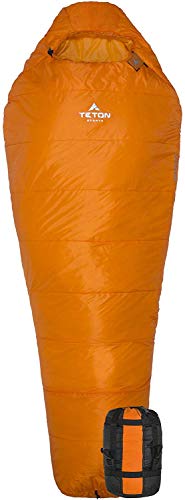
Ultralight Zero Degree Sleeping Bag: The Complete Guide
Everything you need to know before buying a 0°F ultralight sleeping bag for backpacking, winter camping, and cold-weather adventures. Compare insulation types, temperature ratings, and weight-saving features.
VIEW RECOMMENDED GEARWhy a zero degree bag? A 0°F (-18°C) sleeping bag is the gold standard for three-season backpacking in cold climates and winter camping. When paired with a quality sleeping pad, it keeps you warm in freezing temperatures without the bulk of a -20°F expedition bag. For ultralight backpackers, the challenge is finding a bag that delivers this warmth at a weight that won't break your back.
What Makes a Zero Degree Bag "Ultralight"?
Ultralight backpacking is all about minimizing weight without sacrificing safety or comfort. For a 0°F sleeping bag, "ultralight" typically means a total weight under 3 pounds, with premium options dipping below 2 pounds. Achieving this requires careful engineering: high fill-power down insulation, lightweight shell fabrics, and minimalist features like hoodless designs or half-length zippers.
The trade-off is often cost and durability. Bags that use 800+ fill power goose down and 10D or 15D nylon shells are significantly lighter but require more care. Synthetic insulation, while heavier and bulkier, performs better in wet conditions and is more budget-friendly. Your choice depends on your priorities: ultra-lightweight down sleeping bag models win on weight and packability, while synthetic bags offer peace of mind in damp environments.
Down vs. Synthetic Insulation for 0°F Bags
This is the most important decision you'll make. Each insulation type has distinct advantages for ultralight applications.
Down Insulation
Goose or duck down with a fill power of 800–950 is the top choice for ultralight backpackers. It offers the best warmth-to-weight ratio, compresses smaller than any synthetic, and lasts for decades with proper care. For a 0°F bag, expect a fill weight between 20–30 ounces of high-quality down.
- Superior warmth-to-weight ratio
- Compresses to the size of a football
- Retains loft for many years
- Breathable and comfortable
- Requires dry storage and careful cleaning
- Loses insulation value when wet
Synthetic Insulation
Modern synthetic fills like Climashield Apex and Thermolite are heavier and bulkier than down, but they continue to insulate even when damp. For a 0°F bag, synthetic options are typically 3–4 pounds and pack larger, making them better suited for car camping or wet climates.
- Performs well in wet conditions
- Easier to clean and maintain
- More affordable than high-fill down
- Hypoallergenic options available
- Heavier and bulkier than down
- Loses loft over time
For most ultralight backpackers heading into freezing temperatures, a high-fill down bag is the preferred choice. However, if you frequently camp in humid or rainy environments, a synthetic bag may be worth the weight penalty. You can also consider a battery-powered heated sleeping bag for extra warmth without additional insulation weight.
Understanding the 0°F Temperature Rating
The "zero degree" rating refers to the lowest temperature at which an average sleeper can stay comfortable. It's important to understand that temperature ratings are not standardized across all manufacturers. The EN 13537 and ISO 23537 standards provide a consistent testing methodology, but many ultralight brands use their own "comfort" or "limit" ratings.
For a 0°F bag, look for these specifications:
- Comfort Rating: The temperature at which an average woman can sleep comfortably. This is typically 10–15°F higher than the limit rating.
- Limit Rating: The temperature at which an average man can sleep in a curled position without waking. This is the number most brands advertise.
- Extreme Rating: A survival rating, not a comfort rating. Never plan to sleep at this temperature.
When choosing an ultralight 0°F bag, consider how you sleep. Cold sleepers should prioritize the comfort rating, while warm sleepers can often use the limit rating as their guide. Pair your bag with an appropriate sleeping bag temperature guide and a high-R-value sleeping pad for the best results.
Key Features of an Ultralight Zero Degree Bag
Not all 0°F bags are created equal. Here are the features that matter most for ultralight backpacking:
Fill Power & Fill Weight
Fill power measures the loft and quality of down. Higher fill power (800–950) means more warmth per ounce. For a 0°F bag, you'll want at least 800 fill power to keep weight down. Fill weight is the actual amount of down in the bag—more fill means more warmth but also more weight.
Shell Fabric
Ultralight bags use thin, lightweight fabrics like 10D or 15D nylon or polyester. These fabrics save weight but are less durable than heavier deniers. Look for a water-repellent finish (DWR) to protect against condensation and light moisture.
Zipper & Hood Design
Many ultralight bags use a half-length zipper or no zipper at all to save weight. A hood is essential for retaining heat, but some minimalist bags use a hoodless design with a draft collar. Consider how you sleep and whether you need a full-length zipper for ventilation.
Draft Tubes & Baffles
Draft tubes along the zipper and around the neck prevent warm air from escaping. Baffles (the walls that hold insulation in place) should be continuous or well-designed to prevent cold spots. These features add weight but are critical for a true 0°F rating.
Pack Size & Stuff Sack
A 0°F ultralight bag should compress to a reasonable size for backpacking. Look for a bag that comes with a compression stuff sack. A backpacking sleeping bag stuff sack can further reduce pack volume.
Weight
The defining feature. An ultralight 0°F bag should weigh under 3 pounds, with premium models under 2 pounds. Every ounce counts on a long backpacking trip, so choose the lightest bag that meets your warmth and durability needs.
Who Is an Ultralight Zero Degree Bag For?
This type of sleeping bag is ideal for:
- Three-season backpackers who camp in mountainous or desert environments where nighttime temperatures drop below freezing.
- Winter campers who want a lighter alternative to a -20°F expedition bag.
- Thru-hikers on trails like the Appalachian Trail or Pacific Crest Trail who need warmth without excessive weight.
- Ultralight enthusiasts who count every ounce and are willing to invest in premium gear.
- Cold sleepers who need extra warmth in shoulder seasons.
If you're a summer-only camper or always sleep in warm conditions, a 0°F bag may be overkill. Similarly, if you're on a tight budget or prioritize durability over weight, a synthetic bag or a heavier down bag may be a better fit. For those who need a warmer option, a sleeping bag for winter backpacking might be more appropriate.
How to Choose the Right Ultralight 0°F Sleeping Bag
Follow these steps to find the perfect bag for your needs:
- Determine your typical camping conditions. Will you be camping in dry cold or wet cold? How low do temperatures drop? This will guide your insulation choice.
- Decide on down vs. synthetic. Down is lighter and more packable; synthetic is more weather-resistant and affordable.
- Set a weight target. Ultralight means different things to different people. Aim for under 3 pounds, ideally under 2.5 pounds for a 0°F bag.
- Check the temperature rating. Look for a comfort rating, not just a limit rating. If you sleep cold, add 10°F to the comfort rating.
- Consider the shape. Mummy bags are the most thermally efficient and lightest. Rectangular bags are more spacious but heavier. A ultralight rectangular sleeping bag offers more room at a weight penalty.
- Read reviews and compare specs. Look for real-world feedback on warmth, durability, and packability.
- Pair with the right pad. A sleeping bag's temperature rating assumes a pad with an R-value of at least 4–5. For winter camping, you may need an R-value of 6 or higher.
Caring for Your Ultralight 0°F Sleeping Bag
To get the most life out of your investment, follow these care tips:
- Store it loose. Never store your bag compressed. Hang it or use a large cotton storage sack to preserve loft.
- Wash sparingly. Down bags can be washed with a gentle down-specific detergent, but avoid frequent washing. Use a front-loading machine and dry on low heat with dryer balls.
- Use a liner. A lightweight silk sleeping bag liner keeps your bag clean and adds a few degrees of warmth.
- Protect from moisture. Use a waterproof stuff sack or a pack liner to keep your bag dry during the day.
- Avoid sharp objects. Ultralight fabrics tear easily. Be careful with zippers, velcro, and campfire sparks.
Common Mistakes When Buying an Ultralight 0°F Bag
- Trusting the temperature rating blindly. Ratings are not standardized. Research the brand's reputation and read reviews.
- Ignoring the sleeping pad. A 0°F bag won't keep you warm if your pad has a low R-value. Cold ground saps heat faster than cold air.
- Choosing weight over durability. The lightest bags use the thinnest fabrics. If you're hard on gear, consider a slightly heavier option.
- Forgetting about moisture. Down bags lose insulation when wet. If you camp in damp conditions, consider synthetic or use a water-resistant shell.
- Not trying before you buy. Fit matters. A bag that's too tight compresses insulation and reduces warmth. A bag that's too loose has more dead space to heat.
Frequently Asked Questions
What does "zero degree" mean in a sleeping bag rating?
A zero degree rating typically means the bag is designed to keep an average sleeper comfortable at 0°F (-18°C). However, ratings vary by brand and testing method. Always check whether the rating is a comfort or limit rating, and consider your own sleeping temperature.
Is a 0°F sleeping bag too warm for summer camping?
Yes, a 0°F bag is generally too warm for summer camping in most climates. It's designed for cold weather. For summer, a 30°F or 40°F bag is more appropriate. You can always vent a warmer bag, but carrying the extra weight and bulk isn't ideal.
How much should an ultralight 0°F sleeping bag weigh?
An ultralight 0°F bag typically weighs between 1.5 and 3 pounds (0.7–1.4 kg). Premium down bags can be under 2 pounds, while synthetic bags are usually 3–4 pounds. The lighter the bag, the more expensive it tends to be.
Can I use a 0°F sleeping bag in wet conditions?
Down bags lose their insulating ability when wet, so they're not ideal for wet conditions unless paired with a waterproof shell. Synthetic bags retain warmth when damp, making them a better choice for humid or rainy environments. Always use a waterproof stuff sack or pack liner to protect your bag.
What R-value sleeping pad should I use with a 0°F bag?
For a 0°F sleeping bag, you should use a sleeping pad with an R-value of at least 4.0, ideally 5.0 or higher. The pad insulates you from the cold ground, and without adequate insulation, you'll feel cold even in the warmest bag. For winter camping, an R-value of 6+ is recommended.
How do I clean and store my ultralight sleeping bag?
Store your bag loose in a large cotton or mesh sack to preserve loft. Wash it sparingly with a down-specific or gentle detergent, using a front-loading washing machine on a gentle cycle. Dry on low heat with dryer balls. Never store it compressed. For more tips, see our winter camping gear guide.
Ready to Find Your Perfect Ultralight 0°F Bag?
We've curated a selection of top-rated ultralight zero degree sleeping bags available on Amazon. Compare features, read reviews, and find the best match for your next adventure.
SHOP RECOMMENDED BAGSRelated reading: Cold Weather Camping Gear Checklist · Top Rated Lightweight Sleeping Bags · Sleeping Bag for Motorcycle Camping · Extra Wide Backpacking Sleeping Bag