
Non Inflatable Camping Sleeping Pad: The Ultimate Guide to Closed-Cell Comfort
Discover why closed-cell foam pads are the most reliable, durable, and puncture-proof sleeping solution for backpackers, survivalists, and campers who refuse to compromise on dependability.
VIEW TOP RECOMMENDATIONSCampLifeEssentials Philosophy: A good night's sleep in the wild starts with a sleeping pad you can trust. Non inflatable pads eliminate the risk of punctures, offering unmatched reliability for every adventure.
Why Choose a Non Inflatable Sleeping Pad?
When you are miles from the trailhead, equipment failure is not an option. A non inflatable camping sleeping pad, often called a closed-cell foam pad, is the gold standard for reliability. Unlike their air-filled counterparts, these pads have no air chambers to puncture, no valves to leak, and no seams to burst. This makes them an essential piece of gear for anyone who prioritizes dependability, especially in harsh or remote environments where a flat pad could ruin your trip and impact your safety.
The core benefit is absolute simplicity. You simply unroll it, and it is ready to use. There is no inflation time, no risk of a slow leak in the middle of the night, and no need to carry a repair kit. For ultralight backpackers counting every ounce, a foam pad is a fail-safe insurance policy. Even if you primarily use an inflatable pad for comfort, many experienced outdoorsmen and women carry a lightweight closed-cell pad as a backup or as a protective layer underneath their inflatable to prevent punctures from sharp debris on the ground.
Furthermore, closed-cell foam is inherently waterproof and does not absorb water, making it ideal for wet conditions. It also provides a consistent level of insulation that is not affected by altitude or cold temperatures, unlike air pads which can lose warmth as the air inside them cools. For those who venture out in colder months, a foam pad is a crucial component of a comprehensive cold weather camping gear checklist.
Key Features to Consider in a Foam Sleeping Pad
Not all closed-cell pads are created equal. Understanding the key characteristics will help you select the right model for your specific needs. The most important factor is the R-value, which measures a pad's ability to resist heat flow. A higher R-value indicates better insulation. For summer camping, a lower R-value is sufficient, but for winter or alpine environments, you will want a pad with a higher R-value. Many premium foam pads offer an R-value comparable to mid-range inflatable pads.
Next, consider the texture and design. Some pads feature an egg-crate or dimpled pattern, which can enhance comfort and packability. Others are designed with a reflective layer to radiate heat back to your body. The thickness and density of the foam also play a role in comfort and durability. A denser foam will last longer but may be slightly heavier. For those who are looking to shave every gram, a ultralight backpacking sleeping pad made of thin, high-density foam is the preferred choice. The shape is another consideration: rectangular pads offer more coverage, while mummy-shaped pads save weight and pack space.
Finally, think about packability. While foam pads do not compress as small as inflatable ones, they can be rolled or folded. Some models are designed with a accordion-style fold for quick deployment and packing. If you are tight on space, consider a shorter pad or a tapered design. For those who use a camping backpack with water bladder, the pad can often be strapped to the outside, making internal space less of a concern.
Non Inflatable vs. Inflatable Sleeping Pads: A Comparative Analysis
The choice between a foam pad and an air pad often comes down to a trade-off between comfort and reliability. Inflatable pads, including self-inflating models and lightweight inflatable sleeping mats, generally offer superior comfort due to their thickness and ability to conform to your body. They can be adjusted for firmness and often pack down smaller than foam pads. However, this comfort comes with a significant vulnerability: punctures.
A single thorn, a sharp rock, or a stray ember can render an inflatable pad useless. While repair kits exist, field repairs can be frustrating and time-consuming, especially in adverse weather. A non inflatable pad, by contrast, is virtually indestructible. You can toss it on rocky ground, use it as a seat by the fire, or even lend it to a friend without worry. This durability makes it a favorite for scout groups, survivalists, and anyone who practices Leave No Trace principles and wants gear that lasts for many seasons.
For many campers, the ideal solution is a hybrid system. They use a thick, comfortable inflatable pad as their primary sleep surface and place a thin, closed-cell foam pad underneath it. This dual-layer approach not only protects the inflatable from punctures but also adds significant warmth, making it an excellent strategy for winter camping. If you are considering a self-inflating option, be sure to read self inflating sleeping pad reviews to understand their specific pros and cons.
Best Use Cases for Non Inflatable Sleeping Pads
The unique properties of closed-cell foam make these pads ideal for a variety of specific scenarios. For ultralight backpacking, where every ounce counts, a thin foam pad is a minimalist's dream. It serves as both a sleeping pad and a frame for a frameless backpack. For survival kits and bug-out bags, a foam pad is essential because it will never fail, providing critical insulation from the cold ground in an emergency. It is also an excellent choice for camping essentials for first timers, as it is foolproof and requires no setup.
In addition to backpacking, foam pads are perfect for car camping as an extra layer for guests, for use as a yoga mat or picnic mat, and for sitting on cold stadium benches. They are also a great choice for camping with dogs, as they are resistant to claws and dirt. For those who enjoy beach camping or lake camping, a foam pad is a great barrier against sand and moisture. If you are planning a trip to a rugged destination like Big Bend Camping or Arizona Desert Camping, the puncture-proof nature of a foam pad is a major advantage.
Recommended Non Inflatable Sleeping Pads
⚠️ AFFILIATE DISCLOSURE: This website contains affiliate links. As an Amazon Associate, we earn from qualifying purchases. If you make a purchase through these links, we may receive a small commission at no additional cost to you. Read our full affiliate policy.
Top-Rated Closed-Cell Foam Pads for Camping & Backpacking

Foam Camping Pads for Sleeping, Foldable Closed Cell Foam Camping Mattress, Waterproof Outdoor Sleeping Mat for Ultralight Backpacking Thru-Hiking

CYMULA CertiPUR-US Memory Foam Camping Mattress Pad, Portable Foam Sleeping Pad for Camping, Roll up Sleeping Mat for Adults Floor Mattress Guest Floor Bed for Sleepover, Car, Tent SUV Cot Mattress
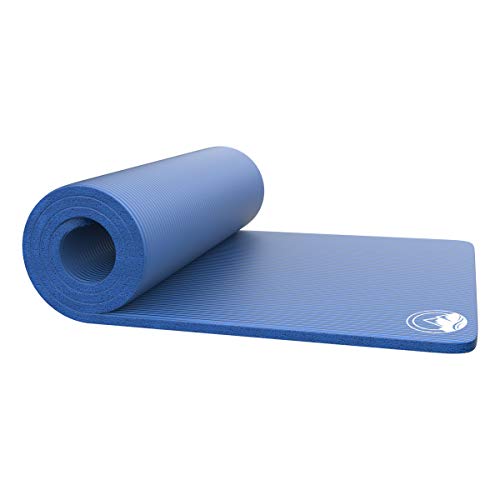
Wakeman Outdoors Foam Sleeping Pad for Camping, Blue, 72x24x0.75in

Ultralight Foam Sleeping Pad, Waterproof Closed Cell Foam Pad for Superior Insulation, Folding Sleeping Mat for Compact Storage, Foldable and Portable for Hiking and Camping (Blue)

HomeMate 3 Inch Memory Foam Camping Mattress Pad: Portable Car Sleeping Pad

Wamsound Thick Camping Sleeping Pad - Faux Rabbit Fur Ultra Soft & Non-Slip Sleeping Mat with Portable Roll up Camping Cot Pad for Travel Car Tent Guest Bed (75×28 inch, Dark Grey)

CYMULA CertiPUR-US Memory Foam Camping Mattress Pad, Portable Foam Sleeping Pad for Camping, Roll up Sleeping Mat for Adults Floor Mattress Guest Floor Bed for Sleepover, Car, Tent SUV Cot Mattress
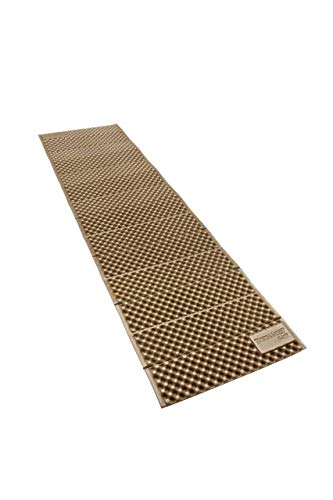
Therm-a-Rest Z Lite Original Camping and Backpacking Sleeping Pad
How to Choose the Right Non Inflatable Pad
When selecting a foam pad, start by defining your primary activity. For backpacking, prioritize low weight and a compact packed size. A mummy-shaped pad or a short pad will save weight. For car camping or base camp, comfort and size are more important; a thicker, wider rectangular pad will provide a more luxurious sleep surface. Consider the climate: a higher R-value is non-negotiable for cold weather. A good rule of thumb is to choose a pad with an R-value of at least 2 for summer, 3-4 for three-season, and 5+ for winter conditions.
Also, think about the surface you will be sleeping on. If you often camp on rocky or uneven ground, a thicker, denser foam pad will provide better cushioning and will not bottom out. If you are a side sleeper, you may find a foam pad too firm; in that case, a foam pad combined with a memory foam mattress topper for camping could be a great solution. For those who prioritize a good night's sleep, exploring options like a most comfortable way to sleep in a tent can provide further insights.
Finally, check the durability and warranty. A high-quality foam pad should last for many years. Look for pads with a high-density foam that resists tearing and compression. Some brands offer a lifetime warranty, which is a testament to their confidence in the product. Remember that while a budget lightweight backpacking tent might be a good place to save, your sleeping pad is a critical investment in your comfort and safety.
Frequently Asked Questions
Are non inflatable sleeping pads comfortable?
While thinner than air pads, premium closed-cell foam pads offer reliable comfort and insulation. They are firm by nature but provide excellent support and warmth, especially when paired with a lightweight inflatable pad for a dual-layer system.
What is the main advantage of a non inflatable sleeping pad?
The primary advantage is absolute reliability. Because they have no air chambers, they cannot puncture, leak, or fail in the field. This makes them the safest choice for ultralight backpacking and emergency survival kits.
Can you use a closed-cell foam pad in winter?
Yes, closed-cell foam pads are excellent for winter camping. They have a high R-value, are not affected by cold temperatures, and can be used as a base layer under an inflatable pad to boost total insulation.
How do you clean a non inflatable sleeping pad?
Cleaning a closed-cell foam pad is simple. Wipe it down with a damp cloth and mild soap. Avoid harsh chemicals or machine washing, as these can degrade the foam. Allow it to air dry completely before storing it loosely rolled or folded.
What is the R-value of a typical foam pad?
R-values for foam pads can range from around 1.5 for a basic thin pad to over 5 for a thick, high-density winter pad. Always check the manufacturer's specified R-value to ensure it matches your intended use.
Related Guides & Resources
To further enhance your camping experience, explore our other detailed guides. If you are looking for a more comfortable sleep system, consider a memory foam self inflating mattress or a self inflating backpacking mattress. For those who want to combine a pad and bag, an all in one sleeping bag and mattress might be a convenient option. And for the coldest adventures, a ultralight zero degree sleeping bag paired with a high-R foam pad is a winning combination.
Before you head out, make sure you have all the essential equipment for backpacking and review our camping essentials for first timers. For those who enjoy cooking outdoors, our guide to cast iron outdoor cooking equipment is a must-read. And if you are planning a trip to a specific destination, check out our guides for Yosemite camping and Smoky Mountains camping.