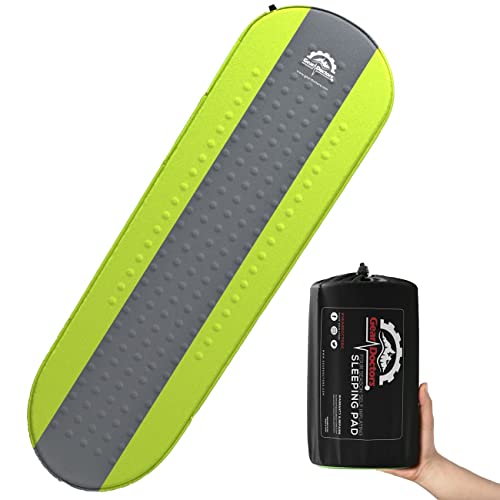
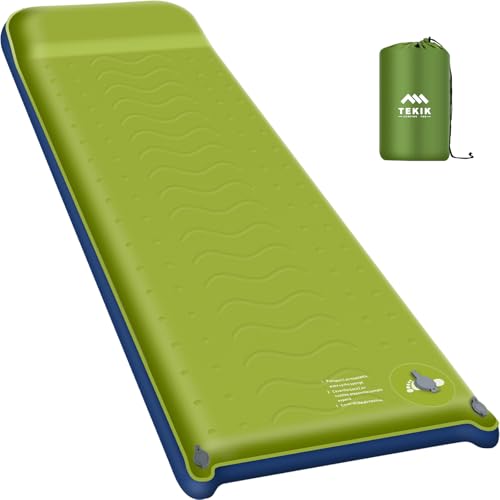
Self Inflating Sleeping Pad Reviews: The Complete Guide to Choosing Your Perfect Camping Mattress
Discover the ideal balance of comfort, warmth, and convenience. Our comprehensive reviews help you navigate the world of self inflating sleeping pads so you can sleep soundly under the stars.
Why Trust Our Reviews? A good night's sleep is the foundation of any great outdoor adventure. Unlike simple air mattresses, a self inflating sleeping pad offers a unique combination of foam insulation and air cushioning. We've analyzed the key factors—from R-value and thickness to packed size and durability—to bring you honest, detailed reviews. Whether you're a car camper seeking luxury or a backpacker counting every ounce, this guide will help you make an informed decision.
What Exactly Is a Self Inflating Sleeping Pad?
A self inflating sleeping pad is a clever piece of outdoor gear that sits between a traditional air mattress and a closed-cell foam pad. Inside its fabric shell is an open-cell foam core. When you unroll the pad and open the valve, the foam springs back to its original shape, drawing air in to inflate the pad. You then top it off with a few breaths to reach your desired firmness. This design provides excellent insulation from the cold ground and a level of comfort that pure air pads often lack.
For those who prioritize durability and puncture resistance over ultralight weight, a non-inflatable sleeping pad might be a better choice. However, for a blend of comfort and packability, self inflating models are hard to beat. If you're looking to upgrade your entire sleep system, consider pairing your pad with a top-rated lightweight sleeping bag or an ultralight rectangular sleeping bag for maximum versatility.
Key Features to Evaluate in a Self Inflating Pad
R-Value (Insulation)
The R-value measures a pad's ability to resist heat loss. A higher R-value means better insulation. For three-season camping, look for an R-value of 3 or higher. For winter camping, you'll need an R-value of 5 or more. This is crucial for preventing cold from seeping up from the ground.
Thickness & Comfort
Thickness directly impacts comfort. Entry-level pads are often 1 to 1.5 inches thick, while mid-range and premium models can be 2 to 3 inches or more. Side sleepers generally benefit from a thicker pad to prevent their hips from bottoming out. A extra wide backpacking sleeping pad can also provide more room to move.
Weight & Packed Size
For backpacking, weight and packed size are critical. Ultralight models use lighter fabrics and less foam, while car camping pads can be bulkier and heavier but offer more comfort. If you're a motorcyclist, a sleeping bag for motorcycle camping and a compact pad are essential.
Durability & Materials
The outer fabric determines durability. 20D to 30D polyester or nylon is common for lightweight pads, while 75D or higher fabrics are used for heavy-duty models. A lightweight inflatable sleeping mat might use thinner materials, whereas a car camping pad will be more robust.
Types of Self Inflating Pads: Which Style Suits You?
Self inflating pads come in several styles, each tailored to different camping styles.
- Ultralight & Backpacking Pads: These prioritize low weight and small packed size. They are often thinner (1-1.5 inches) and may have a lower R-value. They are ideal for backpackers and thru-hikers. An self inflating backpacking mattress is a classic choice for this category.
- Car Camping & Base Camp Pads: These are designed for maximum comfort. They are thicker, wider, and often heavier. They may include features like a memory foam self inflating mattress top for a plush feel. If you're looking for a pad that feels like home, this is the category for you.
- Four-Season & Winter Pads: These have a high R-value (5+) to insulate against frozen ground. They are essential for winter camping. Pair one with a sleeping bag for winter backpacking and a cold weather camping gear checklist to stay warm.
- Couple & Family Pads: These are wider or can be linked together. They are a great option for couples or families who want to sleep close. You might also consider a lightweight two-person sleeping bag to complement a double pad.
Our Top Self Inflating Sleeping Pad Picks by Category
Based on extensive research and user feedback, here are our top recommendations. We've classified them by tier to help you find the right balance of features and value for your needs.
Best for Backpacking: The Ultralight Contender
This pad is a top choice for backpackers who refuse to compromise on sleep. It's an ultralight backpacking sleeping pad that packs down to the size of a water bottle. It offers a surprising level of comfort for its weight, thanks to a thoughtful foam core design. The R-value is sufficient for three-season use. If you need a bit more width, an extra wide backpacking sleeping bag can be paired with it.
Tier: Premium / High-End
Best for Car Camping: The Comfort King
If you drive to your campsite, this is the pad for you. This mid-range to premium model is thick, wide, and incredibly comfortable. It features a soft, brushed fabric top and a robust bottom to resist punctures. It's an excellent choice for families, car campers, and anyone who values a good night's sleep over a low pack weight. Pair it with a high back lightweight camping chair for a complete relaxing camp setup.
Tier: Mid-Range to Premium
Best for Winter: The Four-Season Fortress
When temperatures drop, you need a pad with a high R-value. This model is a serious piece of gear, designed to insulate you from frozen ground. It's a bit heavier and bulkier, but the warmth it provides is worth it. It's an essential component of a winter camping gear kit. For extreme conditions, consider a battery powered heated sleeping bag as an extra layer.
Tier: High-End / Premium
Best Budget-Friendly Option: The Reliable Starter
For those new to camping or on a tight budget, this entry-level pad offers great value. It's a basic self inflating backpacking mattress that gets the job done. It's not the lightest or the warmest, but it's durable and far more comfortable than sleeping on the ground. It's a perfect first pad for first-time camping tips.
Tier: Entry-Level / Budget-Friendly
How to Choose the Right Self Inflating Pad for Your Needs
Making the right choice comes down to answering a few simple questions:
- What is your primary camping style? If you're a backpacker, prioritize weight and packed size. If you're a car camper, prioritize comfort and durability.
- What conditions will you camp in? A three-season camper needs an R-value of 3-4. A winter camper needs an R-value of 5 or higher. Check our sleeping bag temperature guide for related info.
- What is your sleeping position? Side sleepers need a thicker pad (2.5+ inches) to prevent pressure points. Back sleepers can often get away with a thinner pad.
- What are your size requirements? Do you need a regular, large, or extra wide backpacking sleeping pad? Consider your height and build.
- What is your budget? Determine your preferred tier (entry-level, mid-range, premium) to narrow down your options.
For a deeper dive into other gear, explore our guides on essential hiking gear for beginners or essential equipment for backpacking.
Care and Maintenance for Longevity
To ensure your self inflating pad lasts for many seasons, follow these simple care tips:
- Store it unrolled and valve open: This prevents the foam from losing its springiness and keeps moisture from getting trapped inside.
- Clean with a damp cloth: Avoid harsh chemicals. A mild soap and water solution is usually sufficient.
- Avoid sharp objects: Always clear your campsite of twigs, rocks, and other potential punctures. A lightweight waterproof camping tarp under your pad can add a layer of protection.
- Repair punctures promptly: Most pads come with a repair kit. A small patch can save your pad from the landfill.
Frequently Asked Questions
How long does it take for a self inflating pad to inflate?
Typically, it takes 5-15 minutes for the foam to fully expand and draw in air. You can speed up the process by opening the valve and letting it sit, or by adding a few breaths. The final firmness is a matter of personal preference.
Can a self inflating pad puncture easily?
While more durable than pure air pads, they can still puncture. The risk depends on the denier (D) of the fabric. A 20D pad is lighter but more fragile, while a 75D pad is much more resistant to punctures. Always use a groundsheet or tarp for protection.
Are self inflating pads comfortable for side sleepers?
It depends on the thickness. A pad that is 2.5 inches or thicker is generally recommended for side sleepers to prevent hip and shoulder pressure. A most comfortable way to sleep in a tent guide can offer more tips.
What is the difference between a self inflating pad and an air mattress?
A self inflating pad contains foam, which provides insulation and structural support. An air mattress is just a fabric shell filled with air. Self inflating pads are generally more comfortable and warmer, while air mattresses can be lighter and pack smaller. For a deep dive, see our camping sleeping pad non-inflatable guide.
Investing in a quality self inflating sleeping pad is one of the best decisions you can make for your outdoor comfort. By understanding the key features and knowing your own needs, you can find a pad that will provide you with countless nights of restful sleep. Ready to complete your sleep system? Check out our reviews of lightweight silk sleeping bag liners and camping backpacks with water bladders to get fully prepared for your next adventure.