Self Inflating Backpacking Mattress: The Complete Buyer's Guide
Discover how self inflating pads work, what features matter most, and how to choose the right one for your next backpacking adventure.
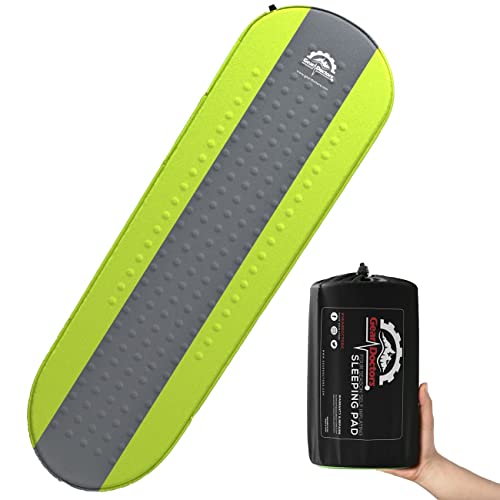
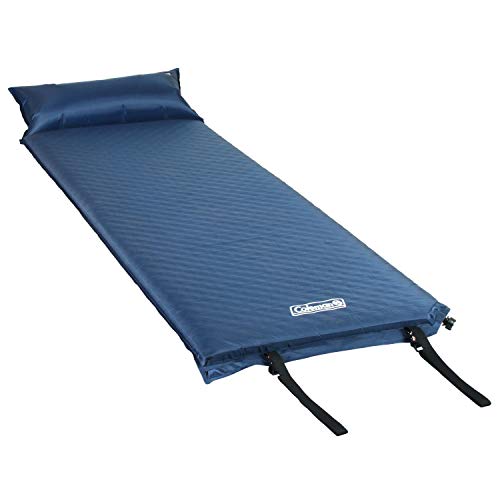
Why self inflating? Unlike traditional air pads that require lung power or a pump, a self inflating backpacking mattress uses open-cell foam to draw air in automatically. This makes them incredibly convenient, comfortable, and reliable for backpackers who want a good night's sleep without the hassle.
How Does a Self Inflating Mattress Work?
A self inflating backpacking mattress combines the comfort of foam with the compactness of an air pad. Inside the mattress is a layer of open-cell foam. When you open the valve, the foam expands and pulls air into the pad. You then top it off with a few breaths to reach your desired firmness. When you're ready to pack up, you simply roll it tightly and close the valve, expelling the air.
This design offers a great balance between comfort and convenience. The foam provides insulation and a stable sleeping surface, while the air adds cushioning. For backpackers who prioritize a reliable, fuss-free sleep system, a self inflating pad is an excellent choice. If you prefer an even lighter option, you might consider an ultralight backpacking sleeping pad, though these often sacrifice some comfort and convenience.
Key Features to Consider Before Buying
1. R-Value (Insulation)
The R-value measures a pad's ability to resist heat loss. For summer backpacking, an R-value of 1–2 is sufficient. For three-season camping, look for R-values between 2 and 4. For winter or cold-weather adventures, you'll want an R-value of 5 or higher. If you plan to camp in cold conditions, pairing your pad with a cold weather camping gear checklist ensures you don't forget other essentials.
2. Thickness and Comfort
Self inflating pads typically range from 1 to 3 inches in thickness. Thicker pads offer more comfort but are heavier and bulkier. Side sleepers often need at least 2 inches to prevent hip pressure. If you're a side sleeper who struggles with comfort, a memory foam mattress topper for side sleepers can be a game-changer, though it adds weight.
3. Weight and Packability
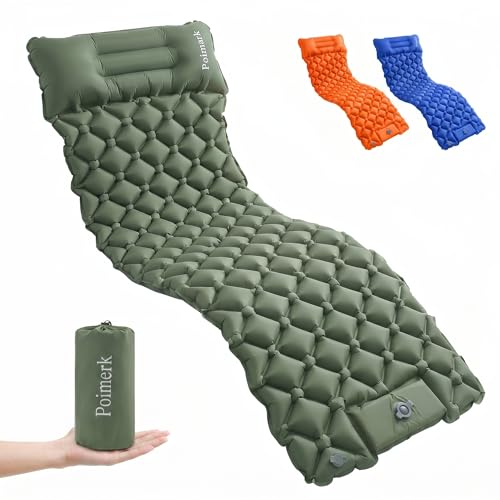
For backpacking, weight is critical. Entry-level self inflating pads are typically heavier, while premium models use lighter foams and fabrics. If you're counting every ounce, you might prefer a lightweight inflatable sleeping mat instead. However, for those willing to carry a bit more for better sleep, a self inflating pad is worth the trade-off.
4. Size and Shape
Mummy-shaped pads save weight but restrict movement. Rectangular pads offer more room but are heavier. For couples, a extra wide backpacking sleeping pad provides more space. Consider your sleeping style and tent size before choosing.
5. Durability and Materials
Look for pads with durable polyester or nylon shells and reliable valves. A pad with a high denier fabric will resist punctures better. If you're rough on gear, consider a camping sleeping pad non inflatable as a more durable alternative, though they are bulkier.
Self Inflating vs. Other Mattress Types
To help you decide, here's a quick comparison of self inflating pads against other common backpacking sleep systems:
| Feature | Self Inflating Pad | Air Pad | Closed-Cell Foam Pad |
|---|---|---|---|
| Convenience | High (auto-inflates) | Low (requires pump/breath) | High (no inflation) |
| Comfort | Good to Excellent | Excellent | Basic |
| Weight | Mid-range | Lightweight | Lightweight |
| Durability | Good | Moderate (puncture risk) | Excellent |
| Packability | Moderate | High | Low (bulky) |
| Best For | All-around backpacking | Ultralight trips | Budget & durability |
As you can see, self inflating pads offer a great middle ground. They're more convenient than air pads and more comfortable than closed-cell foam. For many backpackers, they represent the ideal balance. If you're still unsure, our guide on self inflating sleeping pad reviews can help you see real-world performance.
Who Is a Self Inflating Mattress For?
Self inflating backpacking mattresses are ideal for:
- Backpackers who value convenience: No need to huff and puff to inflate your pad.
- Side sleepers: The foam provides a stable, supportive surface.
- Three-season campers: With the right R-value, they work well from spring through fall.
- Those who want durability: The foam core adds puncture resistance compared to pure air pads.
- Car campers and base campers: The extra weight is less of a concern when you're not carrying it far.
However, if you're an ultralight purist counting every gram, a ultralight backpacking sleeping pad might be a better fit. Similarly, if you need maximum warmth for winter camping, a sleeping bag for winter backpacking paired with a high-R-value pad is essential.
Tips for Getting the Most Out of Your Self Inflating Pad
- Store it unrolled with the valve open: This preserves the foam's loft and extends the pad's life.
- Don't over-inflate: A few breaths are usually enough. Over-inflation can stress seams.
- Use a groundsheet: Protect your pad from punctures by placing a lightweight waterproof camping tarp underneath.
- Clean with mild soap: Avoid harsh chemicals that can damage the fabric or foam.
- Check the valve: A dirty valve can leak. Keep it clean and free of debris.
With proper care, a quality self inflating pad can last for many seasons. If you're new to backpacking, our guide on essential equipment for backpacking can help you build a complete kit around your new pad.
Ready to Sleep Better in the Backcountry?
Browse our curated selection of top-rated self inflating backpacking mattresses and find the perfect match for your adventures.
View Recommended PadsFrequently Asked Questions
How long does it take for a self inflating pad to inflate?
Most self inflating pads take 5–15 minutes to fully self-inflate. You can speed this up by opening the valve and letting it sit while you set up camp. A few breaths at the end will firm it up.
Can I use a self inflating pad in winter?
It depends on the R-value. For winter camping, you need an R-value of at least 5. Many self inflating pads are designed for three-season use. For cold-weather trips, consider a high-R-value pad or pair your pad with a closed-cell foam pad underneath for extra insulation.
Are self inflating pads comfortable for side sleepers?
Yes, especially thicker models (2+ inches). The foam provides a stable surface that prevents your hips from sinking too far. If you need extra comfort, a memory foam mattress topper for camping can be added, but it adds weight and bulk.
How do I repair a punctured self inflating pad?
Most pads come with a repair kit. Clean the area, apply the patch, and let it cure. For valve issues, check if the valve can be replaced or if it's covered under warranty.
Is a self inflating pad worth the weight for backpacking?
For many backpackers, yes. The comfort and convenience are worth the extra few ounces compared to an ultralight air pad. If you're counting every gram, a lightweight inflatable sleeping mat might be a better choice, but you'll sacrifice some comfort and convenience.