Essential Hiking Gear for Beginners: Your Complete Guide
Everything you need to know before your first hike — from boots and backpacks to layers, navigation, and safety essentials. Start your outdoor journey with confidence.
START YOUR GEAR GUIDEWhy gear matters for your first hike: The right equipment transforms a difficult, uncomfortable experience into an enjoyable adventure. Beginner hikers often make the mistake of either overpacking or underpreparing. This guide walks you through the essential items you actually need — nothing more, nothing less — so you can focus on the trail ahead.
Whether you're planning a casual day hike or a beginner backpacking trip, understanding the core categories of hiking gear will help you make smart choices. If you're also new to camping, our camping essentials for first-timers guide covers the overnight side of outdoor preparedness.
1. Footwear: The Foundation of Every Hike
Your boots or shoes are the single most important investment for hiking comfort. Beginner hikers should prioritize support, traction, and waterproofing over lightweight minimalism. Trail runners work well for easy, dry paths, but hiking boots provide superior ankle support and protection on uneven terrain.
What to Look For in Beginner Hiking Boots
- Ankle support: Mid or high-cut boots protect against rolls and sprains on rocky ground.
- Waterproof membrane: Keeps feet dry through streams and morning dew — look for breathable waterproof liners.
- Aggressive outsole: Deep lugs grip mud, gravel, and wet roots. Vibram or similar rubber compounds are a reliable benchmark.
- Proper fit: Leave a thumb's width between your longest toe and the boot front. Feet swell during hikes.
- Break-in period: Wear new boots around the house and on short walks before your first real trail.
For colder conditions, you'll need insulated footwear. Our guide to winter camping boots covers the extra features required for freezing temperatures. If you're transitioning to overnight trips, check out essential equipment for backpacking for a deeper gear list.
2. Backpacks: Carry Comfortably
A beginner daypack typically ranges from 15 to 30 liters. For overnight hikes, you'll need 40 to 60 liters. The key is not capacity but fit — a poorly fitted backpack will cause shoulder and hip pain regardless of how little you carry.
Daypack vs. Overnight Pack
| Feature | Daypack (15–30L) | Overnight Pack (40–60L) |
|---|---|---|
| Best for | Single-day hikes, short excursions | 1–3 night backpacking trips |
| Suspension | Simple shoulder straps, light padding | Internal frame, hip belt, load lifters |
| Hydration | Often includes bladder sleeve | Bladder compatible, side pockets |
| Weight distribution | Mostly on shoulders | Transferred to hips via padded belt |
Look for a pack with a hydration bladder compatibility if you prefer sipping while walking. For backpacking-specific features, see our camping backpack with tent and sleeping bag recommendations.
3. Layering System: Stay Dry and Warm
The layering system is not just for winter — it's the most versatile way to regulate body temperature on any hike. Beginners should master the three-layer approach: base layer, mid layer, and outer shell.
Base Layer
Moisture-wicking synthetic or merino wool. Avoid cotton — it holds sweat and chills you when wet.
Mid Layer
Fleece or lightweight down jacket for insulation. Adjust thickness based on temperature and activity level.
Outer Shell
Waterproof, breathable rain jacket and pants. Protects against wind and rain while letting sweat escape.
For cold-weather hiking, expand this system with insulated pants, gloves, and a warm hat. Our layering clothing system guide explains how to adapt for freezing conditions. If you're planning a cold-weather overnight, the cold weather camping gear checklist will help you pack thoroughly.
4. Navigation and Safety Essentials
Getting lost is the most common beginner mistake. Even on well-marked trails, carry a map and compass — and know how to use them. A fully charged phone with offline maps is a backup, not a primary navigation tool.
Safety Gear Every Beginner Should Carry
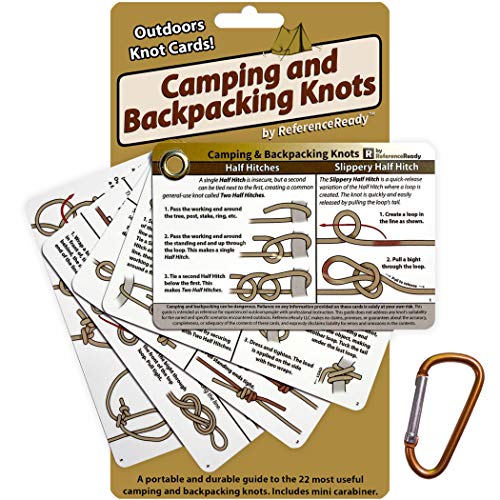
- Map and compass: Waterproof trail map and a quality baseplate compass.
- Headlamp: Essential even for day hikes — delays happen. Bring spare batteries.
- First aid kit: Blister treatment, bandages, antiseptic wipes, and personal medications. See our first aid for camping guide for a complete list.
- Emergency whistle: Six short blasts is the universal distress signal.
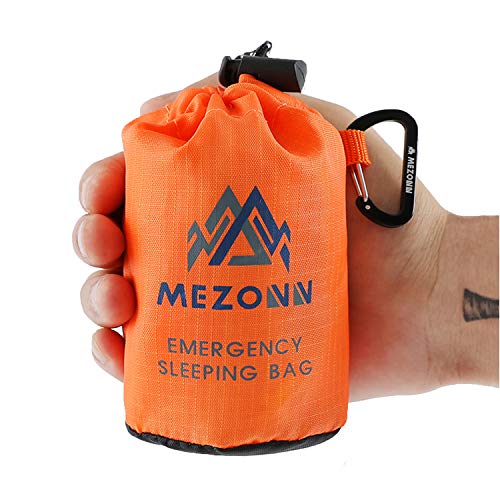
- Emergency shelter: A lightweight emergency bivy or space blanket weighs almost nothing.
- Multi-tool or knife: For gear repairs and food preparation.
- Sun protection: Sunglasses, sunscreen, and a hat — UV exposure increases at altitude.
If you're venturing into remote areas, consider a satellite communicator or personal locator beacon. These devices can summon help where cell service doesn't exist. For general preparation, review our emergency preparedness for camping and what to do if lost resources.
5. Hydration and Nutrition on the Trail
Dehydration and low blood sugar are silent performance killers. Beginners often drink too little because they don't feel thirsty — thirst lags behind actual hydration needs. Carry at least 2 liters for a half-day hike and drink regularly.
What to Bring
- Water bottles or bladder: 2–3 liters for day hikes. A potable water container works for larger groups.
- Water filter or purification tablets: For refilling from natural sources. See camping water filters technology for options.
- High-energy snacks: Trail mix, granola bars, nuts, dried fruit, and jerky. Aim for 200–300 calories per hour of hiking.
- Electrolyte replacement: Powdered drink mixes or tablets help replace salts lost through sweat.
- Backpacking meals: For longer hikes, backpacking food from the grocery store can keep costs reasonable without sacrificing nutrition.
For breakfast before a hike, try our healthy breakfast ideas for camping. If you're planning an overnight, explore easy non-refrigerated camping meals and non-refrigerated camping food ideas.
6. Choosing Your Gear Tier: A Beginner's Framework
Hiking gear falls into three broad quality tiers. Understanding these helps you prioritize where to invest and where to save.
Budget-Friendly
Functional gear for occasional day hikes. Lacks advanced features and long-term durability, but perfectly adequate for testing whether hiking is for you.
Mid-Tier
The sweet spot for most beginners. Better materials, improved comfort, and features that make longer hikes more enjoyable. Worth the investment if you hike regularly.
High-End
Top-tier materials, meticulous construction, and advanced technologies. Ideal for frequent hikers, harsh conditions, and multi-day adventures.
For most beginners, a mix of mid-range and entry-level gear works well — invest more in footwear and your backpack, and less in accessories until you know what you truly need. If you're comparing tent options for overnight trips, our budget lightweight backpacking tent and lightest freestanding 1-person tent guides can help. For sleeping systems, see top-rated lightweight sleeping bags and ultralight backpacking sleeping pads.
7. Common Beginner Mistakes to Avoid
- Wearing cotton: Cotton kills — it holds moisture and loses insulation when wet. Choose synthetics or wool.
- Ignoring the weather: Check forecasts and camping weather alerts before heading out. Conditions change fast in mountains.
- Overpacking: Beginners often carry too much. Start with the essentials and add only what you actually use.
- Skipping the map: Phone batteries die. A paper map and compass never run out of power.
- Not testing gear: Try new boots, backpacks, and stoves at home before relying on them on the trail.
- Hiking beyond your fitness: Start with shorter, flatter trails and build up gradually.
Understanding common camping injuries and how to prevent them will also serve you well on the trail. If you're planning to camp overnight, our first time camping tips and camping essentials for first-timers guides provide a solid foundation.
Frequently Asked Questions
Ready to Hit the Trail?
Now that you know what you need, explore our recommended hiking gear below. Every product is selected to help beginners start safely and comfortably.
VIEW RECOMMENDED GEAR