Sleeping Bag for Motorcycle Camping: The Complete Guide
Discover how to choose the perfect sleeping bag for motorcycle touring. Compact, warm, and weather-ready — get the sleep you need after a long ride.
START READINGWhy a Motorcycle-Specific Sleeping Bag Matters: Space is limited on a bike. A sleeping bag that’s too bulky or not warm enough can ruin your trip. This guide helps you find the ideal balance of packability, warmth, and durability.
What Makes a Great Motorcycle Camping Sleeping Bag?
Motorcycle camping combines the freedom of the road with the serenity of the outdoors. But unlike car camping, you have very little storage space. Your sleeping bag needs to be compact, lightweight, and resilient against wind, moisture, and temperature swings. It also needs to be comfortable after hours of riding. Whether you’re a weekend tourer or a long-distance adventurer, the right bag can make or break your rest.
In this guide, we’ll break down the key features to look for, compare different styles, and help you match a bag to your riding season and climate. You’ll also find answers to common questions and a curated selection of top-rated options.
Key Features to Look For
1. Pack Size & Weight
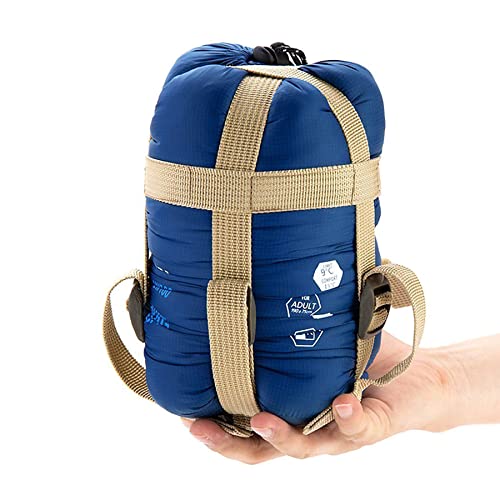
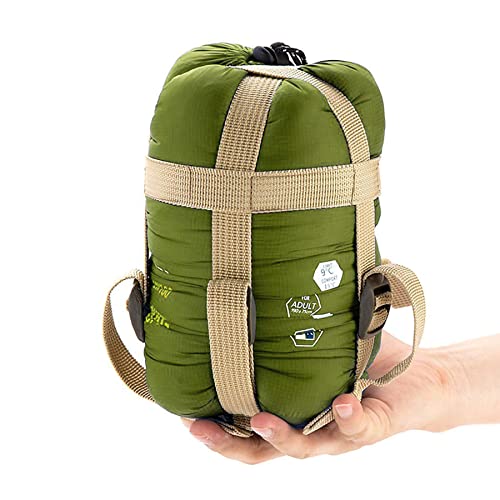
On a motorcycle, every liter of space counts. Look for a sleeping bag that compresses into a small stuff sack — ideally no larger than a loaf of bread. Down bags are typically the most compressible, but synthetic bags have improved significantly and offer better performance in damp conditions. If you’re tight on space, consider a ultralight backpacking sleeping pad to pair with your bag for extra comfort without bulk.
2. Temperature Rating
Temperature ratings are a guide, not a guarantee. For three-season motorcycle camping, a comfort rating around 30°F to 40°F is a good starting point. If you ride in colder climates or shoulder seasons, look for a bag rated 20°F or lower. Always check the “comfort” rating rather than the “limit” rating. For extreme cold, a sleeping bag for winter backpacking may be necessary, but these are often bulkier.
3. Insulation Type: Down vs. Synthetic
Down offers the best warmth-to-weight ratio and compresses smaller, but it loses insulation when wet and takes long to dry. Synthetic insulation is more affordable, dries quickly, and performs better in damp conditions — ideal for motorcycle touring where you might encounter rain. For a balance of both, consider a ultra-lightweight down sleeping bag with a water-resistant shell.
4. Shape: Mummy vs. Rectangular vs. Semi-Rectangular
Mummy bags are the most efficient — they save weight and space by contouring to your body. Rectangular bags offer more room to move but are heavier and bulkier. Semi-rectangular is a compromise. For motorcycle camping, mummy or semi-rectangular are usually best. If you prefer extra room, an extra-wide backpacking sleeping bag might be worth the slight weight penalty.
5. Shell & Lining Materials
A water-resistant or water-repellent shell is crucial. Look for fabrics like ripstop nylon or polyester with a DWR (durable water repellent) finish. A soft lining improves comfort. Some bags come with removable sheets for easy cleaning — a nice feature on long trips.
6. Zipper & Ventilation
A full-length zipper with a draft tube prevents cold spots. Two-way zippers allow you to vent heat. Some bags offer zippered foot boxes or vents for extra breathability. A bag with a lightweight silk sleeping bag liner can add warmth and keep your bag clean.
Best Sleeping Bag Styles for Motorcycle Camping
Compact Mummy Bags
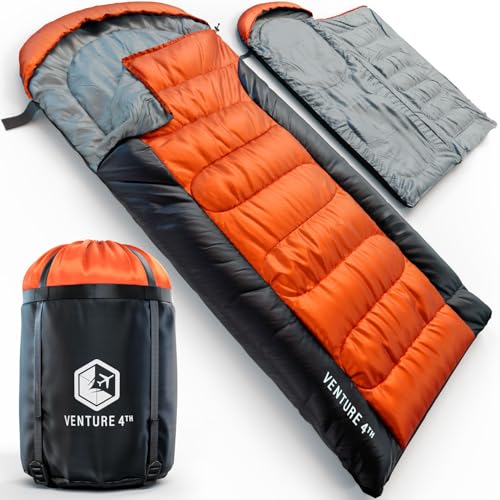
These are the go-to for space-conscious riders. They pack small, are lightweight, and provide excellent warmth for their size. Ideal for solo riders who prioritize packability. If you need a bit more room, a lightweight two-person sleeping bag can work for couples, but it will take up more space.
Semi-Rectangular Bags
These offer a bit more legroom and are easier to get in and out of. They’re slightly heavier but still compress well. Good for riders who want comfort without sacrificing too much space.
Adventure-Ready Synthetic Bags
If you often ride in wet or humid conditions, a synthetic bag is a smart choice. They’re durable, dry fast, and are less expensive than down. Many are designed specifically for cold weather camping gear checklists.
How to Choose the Right Bag for Your Ride
Start by assessing your typical riding season and climate. Are you a summer weekend warrior or a year-round adventurer? Next, consider your bike’s storage capacity. If you have hard panniers or a top box, you have more flexibility. If you’re traveling with soft luggage, prioritize a bag that compresses to the size of a football.
Also think about your sleeping style. Side sleepers may prefer a wider bag, while back sleepers can use a mummy. If you’re tall, check the bag’s length. Finally, don’t forget a camping sleeping pad non-inflatable for insulation from the ground — it’s just as important as your bag.
Pro Tips for Motorcycle Camping with a Sleeping Bag
- Use a compression sack: It can reduce volume by up to 50%.
- Keep it dry: Store your bag in a waterproof stuff sack or line your pannier with a dry bag.
- Air it out: Every morning, shake it out and let it air to prevent moisture buildup.
- Layer up: Wear a layering clothing system to boost warmth without a heavier bag.
- Consider a liner: A silk liner adds warmth and keeps your bag clean.
Frequently Asked Questions
Can I use a regular sleeping bag for motorcycle camping?
Yes, but a regular bag may be too bulky. Look for one that compresses well and is rated for the temperatures you’ll encounter.
What temperature rating do I need?
For summer riding, a 40°F bag is fine. For spring and fall, aim for 20°F to 30°F. For winter, you’ll need a 0°F or lower bag and a winter sleeping bag.
Down or synthetic?
Down is lighter and more compressible; synthetic is better in wet conditions and more affordable. Choose based on your climate and budget.
How do I pack a sleeping bag on a motorcycle?
Use a compression sack and place it in a waterproof pannier or top box. If space is tight, strap it to the rear seat or tank bag.
Do I need a sleeping pad too?
Yes, a sleeping pad provides insulation from the ground and improves comfort. Even a basic foam pad makes a big difference. For more comfort, consider a self-inflating sleeping pad.
Final Thoughts
Choosing the right sleeping bag for motorcycle camping is a balance of packability, warmth, and durability. By focusing on these key factors, you’ll sleep better and ride happier. Remember to test your setup on a short trip before a long tour. And always prioritize safety and comfort — a good night’s sleep is the foundation of every great adventure.
For more gear recommendations, explore our guides on compact tent for motorcycle camping and essential hiking gear for beginners.