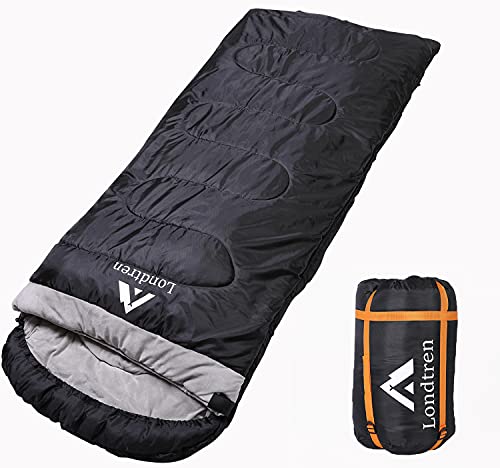
Extra Wide Backpacking Sleeping Bag: The Ultimate Comfort Guide
Stop tossing and turning in a cramped sleeping bag. Discover how an extra wide backpacking sleeping bag can transform your outdoor sleep and keep you warm all night long.
FIND YOUR WIDE BAGWhy Go Wide? If you're a side sleeper, a restless sleeper, or simply value your personal space, a standard mummy bag can feel like a straitjacket. An extra wide backpacking sleeping bag gives you room to move, roll over, and curl up without fighting the fabric. In this guide, we'll walk you through everything you need to know to choose the perfect wide bag for your adventures.
What Makes a Sleeping Bag "Extra Wide"?
Standard backpacking sleeping bags are typically designed with a shoulder girth of around 58 to 62 inches. An extra wide backpacking sleeping bag generally offers a shoulder girth of 64 inches or more, with some models exceeding 70 inches. This additional space—often 4 to 8 inches wider than a standard bag—might not sound like much, but it makes a world of difference when you're trying to get a good night's sleep in the backcountry.
The extra width is achieved by adding more material to the bag's cut, which can slightly increase its packed size and weight. However, many modern extra wide bags use lightweight materials and clever design to keep the weight penalty minimal. If you prioritize comfort over absolute minimalism, the trade-off is well worth it. For those who need even more space, you might also consider pairing a wide bag with a wide sleeping pad to create a truly spacious sleep system.
Who Benefits Most from an Extra Wide Bag?
While anyone can appreciate the comfort of a wider bag, certain campers will find them absolutely essential:
- Side Sleepers: If you sleep on your side, a mummy bag forces your knees together and can cause discomfort. A wide bag lets you bend your knees and hips naturally.
- Restless Sleepers: If you toss and turn, a wider bag prevents you from getting tangled or feeling restricted.
- Broad-Shouldered Individuals: Standard bags can be tight across the shoulders, causing cold spots and discomfort. A wide bag accommodates broader builds.
- Those Who Wear Extra Layers: If you sleep in thick thermals or a puffy jacket, you'll need the extra room. This is especially important for winter backpacking.
- Claustrophobic Campers: If you feel anxious in tight spaces, a wider bag can provide a sense of freedom and calm.
For those who want the ultimate in sleeping comfort, combining a wide bag with a comfortable backpacking pillow can create a sleep experience that rivals your bed at home.
Key Features of a Quality Extra Wide Backpacking Sleeping Bag
When shopping for an extra wide backpacking sleeping bag, don't just focus on the width. Here are the critical features that determine performance, comfort, and durability:
1. Temperature Rating and Fill Power
The temperature rating tells you the lowest temperature at which a bag is designed to keep an average sleeper warm. Look for a bag rated for the conditions you'll encounter. Fill power (for down bags) indicates the loft and warmth-to-weight ratio. A higher fill power (e.g., 800+) is warmer and lighter but comes at a premium. For cold-weather adventures, consider a zero-degree sleeping bag or a down sleeping bag for maximum warmth and packability.
2. Shape and Cut
Extra wide bags come in various shapes. Some are modified mummy bags with a wider cut, while others are rectangular or semi-rectangular. A wider cut can reduce thermal efficiency slightly because there's more air to heat, but many manufacturers compensate with better insulation and draft collars. If you want maximum room, a rectangular bag is your best bet, though it will be heavier and bulkier.
3. Insulation Type: Down vs. Synthetic
Down insulation offers superior warmth-to-weight ratio and compressibility, making it ideal for backpacking. However, it loses its insulating ability when wet. Synthetic insulation is heavier and bulkier but retains warmth even when damp, making it a safer choice for wet climates. If you're camping in humid or rainy conditions, a synthetic bag might be more practical. You can learn more about managing moisture in our guide to cold weather camping gear.
4. Draft Collars and Hoods
A draft collar around the neck and a hood that cinches around your head are crucial for keeping warm air in and cold air out. Even with extra width, these features prevent heat loss. Some wide bags have a less aggressive hood to save weight, so check the specs if warmth is a priority.
5. Zippers and Ventilation
A full-length zipper makes it easy to get in and out and allows you to vent the bag on warmer nights. Some bags offer dual zippers for even more ventilation. For couples or those who want to pair bags, consider a two-person sleeping bag or a bag with compatible zippers.
6. Packed Size and Weight
Extra width usually means extra weight and bulk. If you're a backpacker, look for a bag that compresses well. A quality stuff sack can help you cinch it down. For ultralight enthusiasts, there are ultralight rectangular sleeping bags that offer more room without excessive weight.
How to Choose the Right Width for You
Width is personal. Here's a general guideline:
- Standard (58–62 inches): Best for petite to average builds and those who don't move much.
- Wide (62–66 inches): A good compromise for most people who want a bit more room.
- Extra Wide (66+ inches): Ideal for side sleepers, broad shoulders, and anyone who wants maximum freedom.
Remember that width also affects warmth. A wider bag has more internal air to heat, so you may need a bag with a lower temperature rating or higher fill power to stay warm in cold conditions. For winter camping, a winter-specific sleeping bag with extra width is a great option.
Don't Forget the Sleeping Pad
A sleeping bag provides insulation from the top, but you lose most heat through the ground. An extra wide backpacking sleeping pad is the perfect companion to a wide bag. It prevents you from rolling off and adds comfort. For those who prefer a more bed-like feel, a memory foam self-inflating mattress or a self-inflating backpacking mattress can be a game-changer.
If you're looking for a pad that packs small but still offers width, consider a lightweight inflatable sleeping mat or an inflatable sleeping pad for backpacking. And for those who want to avoid inflatables entirely, a non-inflatable sleeping pad is a durable alternative.
Tips for Maximum Comfort
- Use a Liner: A silk sleeping bag liner adds warmth and keeps your bag clean.
- Wear the Right Clothing: Avoid overdressing; sweat can make you cold. Wear moisture-wicking layers. For winter, follow our winter layering guide.
- Insulate Your Head: A hat or a hooded bag is essential. A backpacking pillow also helps.
- Vent When Needed: If you get too warm, open the zipper or use a vent to avoid sweating.
- Practice Leave No Trace: Follow Leave No Trace principles to minimize your impact.
Caring for Your Extra Wide Sleeping Bag
To keep your bag performing for years, clean it according to the manufacturer's instructions. Down bags need special detergent and careful drying. Store your bag loosely in a large cotton sack, not compressed, to preserve loft. For more tips on keeping your gear in top shape, see our camping essentials for first-timers.
Our Top Recommendations for Extra Wide Backpacking Sleeping Bags
We've curated a selection of the best extra wide backpacking sleeping bags available. Whether you're a side sleeper, a broad-shouldered hiker, or someone who just wants more room, there's a bag for you. Our picks range from budget-friendly to premium, so you can find the perfect balance of comfort, warmth, and packability.
Check out the recommended products below to find your ideal match. Each bag has been selected for its quality, durability, and of course, its generous width.