Pop Up Shelter Guide: Instant Shelters for Modern Campers
Discover how pop up shelters deliver fast setup, reliable shade, and portable convenience — perfect for campsites, beaches, festivals, and backyard adventures.
EXPLORE THE GUIDEThe CampLifeEssentials Approach: A pop up shelter solves one of camping's oldest frustrations — setup time. Instead of fumbling with poles and stakes, these instant structures spring into shape in seconds, letting you focus on the experience rather than the assembly.
This guide walks you through how pop up shelters work, what separates an entry-level model from a premium one, and how to match the right shelter to your camping style. Whether you need quick shade at the beach or a fast-deploy basecamp on a road trip, the information below helps you decide with confidence.
What Exactly Is a Pop Up Shelter?
A pop up shelter is a pre-assembled, collapsible structure built around a flexible frame — usually fiberglass or steel — that springs into its full shape the moment you release it from its carry bag. There are no separate poles to thread and no complex instructions to follow. The frame is integrated into the fabric, and the shelter is essentially "ready to open" the moment you unpack it.
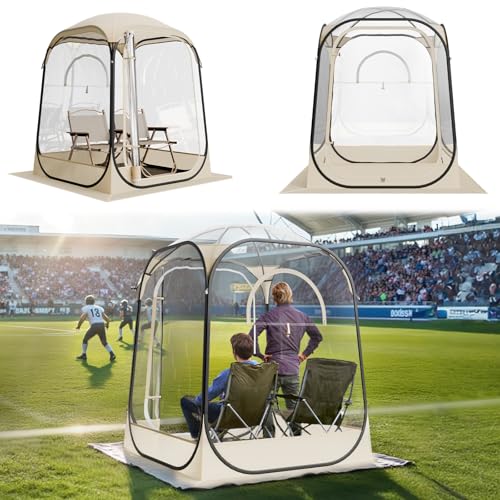
These shelters come in several forms: pop up canopy tents for shade, pop up beach tents for sun protection, and pop up camping tents for quick overnight stays. The common thread is speed. Where a traditional dome tent may take five to ten minutes to pitch, a quality pop up shelter can be ready in under a minute.
That speed advantage matters most in car camping and festival settings, where you're often setting up in a hurry or in less-than-ideal conditions. For backpackers chasing low weight, a one person tent or ultralight backpacking gear usually makes more sense. But for everyone else, the pop up shelter is a genuinely practical piece of kit.
How Pop Up Shelters Work: The Mechanism Behind the Magic
Understanding the mechanism helps you choose wisely. Most pop up shelters rely on one of two frame systems:
- Spring-steel or fiberglass hoop frames — The shelter folds flat and twists into a compact disc. When released, the frame snaps back into a dome or tunnel shape. This is the classic "twist and pop" design used in many beach shelters and instant tents.
- Hub-and-pole systems — Common in pop up canopy tents, these use pre-attached poles that click into a central hub. You pull the canopy outward, and the frame locks into place. Setup takes seconds, and takedown is just as quick.
Both systems share the same benefit: the structure is self-supporting once deployed. The trade-off is that pop up shelters generally pack bulkier than traditional tents of similar capacity. They're designed for convenience, not for fitting into a backpack. If you're mixing a pop up shelter with other gear, a camping duffel bag or camp and kitchen setup can help you organize the larger footprint.
Key Features to Compare Before Buying
Not all pop up shelters are built to the same standard. The differences show up in materials, weather resistance, and frame durability. Here's what to evaluate:
Frame Material & Durability
Entry-level shelters often use basic fiberglass poles, while mid-range and premium models upgrade to reinforced steel or composite frames that resist bending and fatigue over repeated setups.
Fabric & Weather Rating
Look for ripstop polyester or nylon with a water-resistant coating and taped seams. Premium pop up shelters add UV-blocking treatments and full rainfly coverage for unpredictable weather.
Ventilation & Airflow
Mesh panels and roof vents reduce condensation and heat buildup. Models with large mesh walls work well in summer, while convertible panels offer flexibility across seasons.
Floor & Groundsheet
A bathtub-style floor keeps moisture out. Some shelters skip the floor entirely for beach or canopy use — decide based on where you'll camp most often.
Packed Size & Weight
Pop up shelters range from compact discs that fit in a trunk to larger rolling bags. Weigh this against how far you'll carry it from your vehicle to the campsite.
Setup & Takedown Ease
The best models open and close with one or two motions. Practice the fold at home — the figure-eight twist is simple once you've done it a few times.
Types of Pop Up Shelters for Different Adventures
The category is broader than it first appears. Here are the main variants and where each one shines:
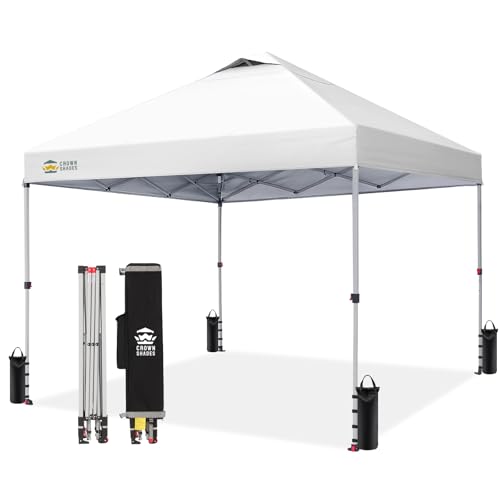
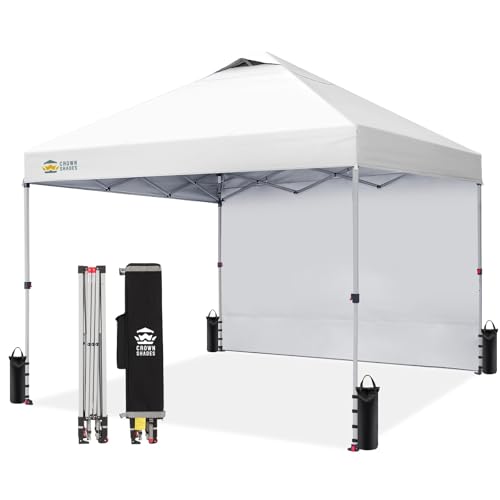
- Pop up canopy tents — Freestanding shade structures, often 10x10 or larger. Ideal for campsite gatherings, tailgating, and markets. A 10 x 10 canopy tent with sides adds wind and privacy protection.
- Pop up beach shelters — Lightweight, often with sand pockets and a sun-blocking fabric. A pop up beach tent sun shade shelter is built for wind and glare.
- Pop up camping tents — Full sleeping shelters with floors and doors. Options like a pop up tent you can stand up in bridge the gap between convenience and livability.
- Pop up privacy shelters — Used as changing rooms, portable toilets, or shower stalls. A pop up privacy tent is a common companion for dispersed camping.
- Pop up ice fishing shelters — Insulated, windproof, and often compatible with a stove. A pop up ice fishing tent with wood stove extends winter usability.
If you're camping in cold or rainy conditions, a standard pop up shelter may not be enough. A cold weather tent or 4 season tent offers better insulation and structural integrity. For mild three-season trips, though, a pop up shelter is often all you need.
Pop Up Shelter vs Traditional Tent: A Practical Comparison
| Factor | Pop Up Shelter | Traditional Tent |
|---|---|---|
| Setup Time | Seconds to under a minute | Several minutes |
| Packed Size | Bulky, disc or duffel shape | Compact, cylindrical |
| Weight | Heavier per person capacity | Lighter, especially backpacking models |
| Weather Resistance | Good for mild conditions | Better for storms and cold |
| Best For | Car camping, beaches, festivals | Backpacking, alpine, extended trips |
Neither option is universally better. The choice depends on how you camp. If you drive to your site and value speed, a pop up shelter is hard to beat. If you hike in or face harsh weather, a traditional tent — or a hybrid like a tent with vestibule — is the safer bet.
How to Choose the Right Pop Up Shelter
Use the following framework to narrow your options:
- Match capacity to your group. Solo campers can use a compact 2 person compact portable pop up tent. Families may prefer a 6 man pop up tent or larger.
- Consider your climate. For summer shade, prioritize ventilation. For shoulder seasons, look for a pop up tent for cold and rainy weather with a full rainfly.
- Think about terrain. Beach camping calls for sand stakes and UV protection. A pop up beach tent that fits in a suitcase is a travel-friendly choice.
- Plan for vehicle-based trips. If you camp from a truck or SUV, a pop up tent for the back of a pickup truck or a pop up tent for the back of a car can integrate with your vehicle.
- Factor in privacy needs. A pop up camping shower toilet changing room tent is a practical add-on for extended trips.
When in doubt, prioritize frame quality and fabric durability over extra features. A well-built mid-range shelter will outlast a feature-heavy entry-level model. If you're still weighing tent styles, our guide on how to choose tent size and tent vs hammock comparisons can help clarify the bigger picture.
Setup, Takedown, and Care Tips
Pop up shelters are simple, but a few habits extend their lifespan:
- Practice the fold at home. The figure-eight twist feels awkward the first time. Rehearse it indoors before your trip so you're not struggling in wind or rain.
- Stake it down. Even a light breeze can turn an unsecured shelter into a tumbleweed. Use all provided stake points, and add guy lines in exposed areas.
- Dry before storing. Moisture left in the fabric leads to mildew. Set the shelter up in your yard or garage after a damp trip and let it air dry completely.
- Store loosely. Don't cram the shelter back into its bag under pressure. A relaxed fold reduces stress on the frame and fabric.
- Inspect the frame. After repeated use, check for bent poles or frayed shock cords. Replacing a single component is cheaper than replacing the whole shelter.
If you're setting up on sand, snow, or a platform, our guides on setting up a tent on the beach and setting up a tent on a platform cover anchoring techniques in detail. And if rain is in the forecast, how to set up a tent in the rain walks through the process step by step.
Seasonal and Situational Considerations
Pop up shelters are at their best in mild to moderate conditions. Here's how to think about seasonal use:
- Summer: Prioritize ventilation and UV protection. A canopy-style shelter with mesh walls keeps air moving and blocks harsh sun. Pair it with cool hiking clothes and a hiking drinking bottle for day trips.
- Spring and fall: Look for models with a full rainfly and taped seams. A pop up screen tent with rain flaps balances airflow with weather protection.
- Winter: Standard pop up shelters are not designed for snow loads. If you're camping in cold weather, consider a winter tent or a hot tent camping setup instead. Our winter camping guide covers the full gear list.
- Festivals and events: A pop up canopy tent is the standard choice. Look for models with a wheeled bag and reinforced frame corners.
- Backyard and day use: A smaller pop up shelter works as a sunshade or play area. It's also a low-commitment way to test whether the format suits you.
For longer trips where you'll be moving camp frequently, the speed advantage compounds. A shelter that sets up in under a minute saves real time over a week of travel. That's the core value proposition — not luxury, but efficiency.
Common Mistakes to Avoid
Even experienced campers run into the same issues with pop up shelters. Here's what to watch for:
- Not staking it down. The single most common error. Pop up shelters are light, and wind finds them.
- Forcing the fold. If the shelter resists, you're likely twisting in the wrong direction. Slow down and follow the figure-eight motion.
- Ignoring condensation. Shelters with limited ventilation trap moisture. Leave a vent or door partially open when conditions allow.
- Overlooking the footprint. A groundsheet or outdoor camping rug protects the floor and adds comfort.
- Assuming "pop up" means "all-weather." It doesn't. Check the hydrostatic head rating and seam sealing before trusting a shelter in heavy rain.
If you're new to camping in general, our first time camping tips and camping FAQ cover the broader basics. And for safety-specific guidance, campfire safety rules and emergency preparedness for camping are worth reviewing before any trip.
Frequently Asked Questions About Pop Up Shelters
What is a pop up shelter?
A pop up shelter is a pre-assembled, collapsible structure that springs into shape in seconds. Unlike traditional tents that require pole assembly, pop up shelters use integrated frame systems that unfold automatically, making them ideal for quick setup at campsites, beaches, and festivals.
Are pop up shelters good for camping?
Yes, pop up shelters work well for car camping, beach trips, festival camping, and quick overnight stays. They excel in situations where fast setup matters more than ultralight weight. However, for backpacking or extreme weather conditions, traditional tents or four-season shelters are usually better choices.
How do you fold a pop up shelter?
Folding a pop up shelter involves twisting the frame into a figure-eight shape. Grasp opposite sides of the collapsed shelter, push inward while twisting, and the frame will fold into a compact disc. Practice this motion a few times at home before your trip.
How long does a pop up shelter last?
With proper care, a quality pop up shelter can last several seasons. Longevity depends on frame material, fabric quality, and how well you dry and store it. Entry-level models may last a season or two of regular use, while premium models with reinforced frames and UV-treated fabrics can hold up for many years.
Can a pop up shelter handle rain?
Light to moderate rain is manageable if the shelter has a water-resistant coating and taped seams. For heavy or prolonged rain, choose a model with a full rainfly and a bathtub floor, or switch to a dedicated cold weather tent or 4 season tent designed for harsher conditions.
Ready to Choose Your Pop Up Shelter?
Compare top-rated pop up shelters and instant canopies in our recommended gear section below.
VIEW RECOMMENDED SHELTERS