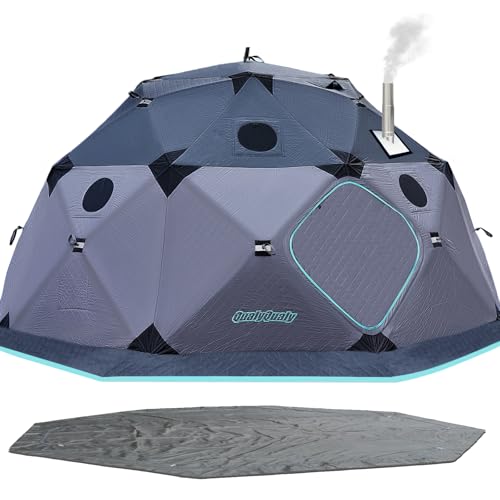
The Complete Guide to Pop Up Ice Fishing Tents with Wood Stoves
Transform your winter angling experience with a hot tent shelter. Discover how to choose an insulated pop up ice fishing tent compatible with a wood stove, master safe installation, and stay comfortable even at -20°F.
VIEW RECOMMENDED GEARKey Takeaway: A quality pop up ice fishing tent with a wood stove jack combines rapid deployment with dry, radiant heat. Look for fire-retardant fabrics, a sturdy frame for windy conditions, and a stove jack placement that optimizes your fishing hole layout. Expect to invest between $250 and $800 for a reliable shelter.
Why Choose a Pop Up Tent with a Wood Stove for Ice Fishing?
Traditional ice fishing shelters without a heat source rely solely on your body and layered clothing to fight the cold. By integrating a portable wood stove, you introduce a game-changing level of comfort that extends your fishing trips by hours. Unlike propane heaters, a wood stove produces a dry heat that drastically reduces condensation inside the tent, keeping your gear and clothing free from dampness. This is critical when you're miles out on a frozen lake. The rapid pop-up design means you spend less time setting up in freezing winds and more time with your line in the water. For serious anglers, pairing a hot tent with a portable stove is the gold standard for winter camping on the ice.
The versatility of these shelters also makes them a great investment for winter camping gear beyond fishing. You can use the same setup for a base camp during a backcountry ski trip or a hunting expedition. The key is the insulated fabric and the stove jack – a reinforced opening that safely routes the stovepipe outside. When shopping, it's essential to focus on models specifically designed for this purpose, as not all pop-up tents are fire-resistant or structurally prepared to handle a stove.
Essential Features of a Quality Hot Tent for Ice Fishing
Before committing to a purchase, understanding the core components that separate a mediocre shelter from a life-saving winter retreat is vital. The following features ensure you stay safe, warm, and mobile on the ice.
Fire-Retardant Fabric
The tent material must meet CPAI-84 fire-resistance standards. Oxfab or similar treated polyester reduces the risk of a stray spark melting through the ceiling. Always verify this certification before buying.
Insulated Thermal Walls
An inner layer of quilted insulation traps heat efficiently. This not only keeps you warmer with less wood but also minimizes the "cold wall" effect where body heat instantly radiates away upon contact.
Reinforced Stove Jack
Look for a silicone or fiberglass stove jack with a protective weather flap. The placement (side or roof) dictates your interior layout. A roof jack often distributes heat more evenly across the tent.
Heavy-Duty Hub Design
Ice fishing means battling strong gusts. An all-metal hub and robust fiberglass poles prevent the shelter from collapsing under wind stress, a common failure point in standard camping tents.
Detachable Groundsheet
A removable floor or built-in ice fishing ports let you drill holes directly inside. Zippered flaps keep cold drafts out while allowing you to jig or run tip-ups without stepping outside.
Ample Tie-Downs & Anchors
Ice anchors and multiple external tie-down points are non-negotiable. Proper anchoring prevents your shelter from becoming a kite during sudden squalls on open ice.
Pop Up Ice Fishing Tent vs. Standard Hub Shelter
The table below illustrates the critical differences between a generic pop-up hub shelter and one optimized for a wood stove. If you plan to overnight on the ice, the dedicated hot tent is the clear winner, especially for winter camping safety.
| Feature | Standard Hub Shelter | Wood Stove Compatible Tent |
|---|---|---|
| Fabric Treatment | Water-resistant, may not be fire-retardant | Fire-retardant (CPAI-84 certified) |
| Stove Jack | Not present | High-temp silicone/fiberglass jack |
| Insulation | Single-layer or basic thermal | Quilted multi-layer insulation |
| Ventilation | Small mesh vents | Adjustable high/low vents for oxygen intake |
| Weight | 15–25 lbs | 25–45 lbs (heavier duty) |
| Typical Price Range | $150–$350 | $300–$800 |
How to Safely Set Up and Operate a Wood Stove Inside
Proper installation is the difference between a cozy retreat and a dangerous hazard. Follow these steps meticulously, drawing on principles from our how to stay warm in winter guide and campfire safety rules.
- Select the Right Stove. Choose a portable, collapsible titanium or stainless steel tent stove. A stove with a damper and spark arrestor is essential. Ensure the stovepipe segments fit together snugly.
- Position the Tent. Face the stove jack side away from prevailing winds. This prevents wind from pressurizing the tent and pushing smoke back inside. Clear snow to create a stable, level platform.
- Anchor Firmly. Screw ice anchors into the ice at every tie-down point before popping up the tent. If the ice is thick, a cordless drill with a special adapter speeds this up considerably.
- Install the Stovepipe. Assemble the pipe inside the tent and feed it through the stove jack. Outside, attach a spark arrestor cap. Ensure the pipe extends at least 12 inches above the tent peak to maintain a proper draft.
- Ventilate Always. Open at least two vents (one low, one high). A wood fire consumes oxygen and produces carbon monoxide. Never seal the tent completely—this is critical emergency preparedness protocol.
- Build a Heat Shield. Place a non-combustible mat or sheet metal under and behind the stove, extending 18 inches in all directions. This protects the ice floor from melting and the tent wall from radiant heat.
Choosing the Right Size and Layout
Ice fishing tents are often measured by their fishable area. A 2-3 person model (typically 6'x6' or 6'x8') provides enough room for two anglers, a stove, and multiple holes without feeling cramped. If you prefer solo camping excursions, a compact 4'x4' hub is lighter to pull on a sled but leaves very little room to move around the stove. For those who like to travel with a group, a larger model that accommodates 4-6 people allows you to set up cots and even a small camping kitchen setup.
Pay attention to the center height. Being able to stand up straight to stretch your back or tend the stove is a significant advantage during long days on the ice. A height of 72 to 80 inches is ideal for most adults. Also, consider how the door is positioned relative to the stove jack. You want to avoid a layout where you have to reach over a scorching hot stove to enter or exit the shelter. Always place the stove on the opposite wall from the main door.
Maintaining Your Shelter for Years of Use
A pop up ice fishing tent is an investment. To ensure it lasts season after season, proper drying and storage are essential. Never pack the tent away wet. After each trip, pop it up in a garage or dry space to let the fabric dry completely. This prevents mold and mildew from degrading the insulation. Pay special attention to the stove jack—inspect it regularly for cracks or brittleness caused by high heat. A damaged stove jack must be replaced immediately to prevent a fire hazard. For those who invest in a high-end setup, following proper tent maintenance can double its lifespan.
Use a dedicated sled or a large camping rucksack for transport to protect the fabric from abrasion against sharp ice shards. The poles and hubs should be checked for smooth operation; a small amount of silicone lubricant on the joints keeps the pop-up mechanism working flawlessly even in sub-zero temperatures.