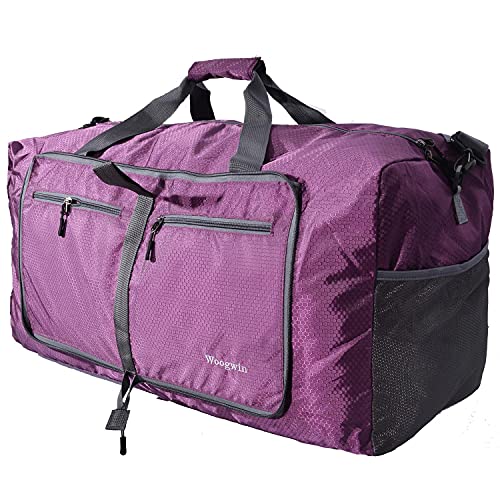
Camping Duffel Bag: The Ultimate Gear Hauler Guide
Find the perfect duffel bag for your camping adventures. Compare durability, capacity, carry comfort, and weather resistance to haul your gear with confidence.
READ THE GUIDEWhy a dedicated camping duffel bag matters: Unlike standard luggage, a camping duffel is built to survive dirt, moisture, rough handling, and tight vehicle packing. It is the unsung hero that keeps your tent, sleeping bag, cookware, and clothing organized and protected from trailhead to campsite. This guide walks you through every decision so you can choose the right bag the first time.
What to Look For in a Camping Duffel Bag
Choosing a camping duffel is not about picking the largest bag on the shelf. It is about matching material, capacity, and carry system to how you actually camp. Whether you are a weekend car camper or a backcountry explorer, the right duffel keeps your gear accessible and protected. For a broader look at how all your equipment fits together, explore our complete camping gear checklist.
Material & Durability
Look for abrasion-resistant fabrics such as 600D to 1000D polyester or ballistic nylon. Reinforced stitching, bar-tacked stress points, and a water-resistant coating or TPU laminate will extend the bag's life across seasons. Entry-level bags often use thinner 300D fabric, while premium expedition duffels feature high-denier ripstop with welded seams. If you camp in wet conditions, consider how your shelter and sleep system handle moisture — our guide on camping in a tent in the rain pairs well with a waterproof duffel strategy.
Capacity & Shape
Camping duffels typically range from 40L for solo weekend trips to 130L+ for family basecamps. A good rule: 60–90L covers most car campers. Rectangular or U-shaped openings make packing bulky items like sleeping bags far easier than narrow top-load designs. If you also carry a backpack, pairing a duffel with quality backpacking packs gives you flexible transport options. For family trips, larger tents like an 8-person tent often dictate a bigger duffel.
Carry System
Backpack-style straps distribute heavy loads across your shoulders and hips, which matters when you are moving gear from car to campsite. Padded, removable straps add versatility. Side grab handles and end handles help when lifting a loaded bag into a truck bed or roof rack. For trips involving significant walking, compare the duffel carry system with a dedicated hiking pack by reading our daypacks for hiking overview.
Weather Resistance
Water-resistant zippers, storm flaps, and coated fabrics protect your gear from rain and dew. Some duffels are fully submersible dry bags; others are simply splash-resistant. Know the difference before you buy. If you frequently camp in wet or cold conditions, our 4-season camping guide explains how moisture management affects your entire setup.
Organization & Pockets
Exterior compression straps cinch down partial loads. Mesh or zippered internal pockets separate small items like headlamps, stakes, and toiletries. A clear ID window or luggage tag holder helps identify your bag at a busy campground. Organization becomes even more important when your duffel shares space with a portable camp kitchen and other bulky gear.
Weight & Packability
Empty weight matters for fly-in trips and backpacking. Ultralight duffels use silnylon or Dyneema and pack down small, while heavy-duty haulers prioritize abrasion resistance over weight savings. Fold-flat designs store easily in a vehicle between trips. Pair a lightweight duffel with camping backpacks when your trip requires both checked luggage and trail carry.
Understanding Duffel Bag Quality Tiers
Camping duffels fall into broad quality tiers. Knowing these tiers helps you match a bag to your camping style without over- or under-buying. These descriptors reflect relative market positioning, not specific figures.
- Entry-Level / Budget-Friendly: Basic 300D–600D polyester, single main compartment, simple shoulder strap or basic backpack straps. Adequate for occasional car camping, storing gear in a garage, or light weekend use. Zippers and stitching are functional but may wear faster with heavy loads.
- Mid-Range / Mid-Tier: 600D–900D fabrics with water-resistant coating, padded and sometimes removable backpack straps, compression straps, and a few organizer pockets. This tier delivers the best balance for regular campers who want durability and comfort without expedition-grade construction.
- Premium / High-End: 1000D+ ballistic nylon or TPU-laminated ripstop, welded or taped seams, heavy-duty hardware, convertible carry systems, and refined organization. Built for frequent travel, rough environments, and heavy loads. Ideal for campers who treat their duffel as long-term equipment.
- Luxury / Expedition-Grade: Specialized dry-bag duffels, submersible designs, and expedition haulers with modular attachment points. These serve niche needs such as rafting support, overlanding, or professional expeditions where failure is not an option.
Camping Duffel Bag Comparison by Feature
The table below compares common duffel configurations across the features that matter most to campers. Use it as a quick reference while shopping.
| Feature | Entry-Level | Mid-Range | Premium |
|---|---|---|---|
| Fabric | 300D–600D polyester | 600D–900D with coating | 1000D+ ballistic nylon / TPU ripstop |
| Carry System | Single shoulder strap | Padded backpack straps | Convertible, load-bearing harness |
| Weather Protection | Splash-resistant | Water-resistant zippers & coating | Waterproof / submersible options |
| Organization | 1 main compartment | Main + 2–3 pockets | Multiple pockets, compression, modular |
| Best For | Occasional car camping | Regular weekend campers | Frequent travelers & harsh conditions |
| Durability | Moderate | Good | Excellent |
Duffel Bag vs. Backpack vs. Plastic Bin
Campers often debate whether a duffel, a backpack, or a rigid plastic bin is the best gear transport. Each has trade-offs. Understanding them helps you build a system that works for your vehicle, campsite, and activity level.
Duffel Bag Advantages
- Flexible shape fits irregular vehicle spaces
- Soft sides absorb impact
- Lightweight when empty
- Easy to carry over short distances
- Packs down flat for storage
Duffel Bag Limitations
- Less structured than hard bins
- Can be uncomfortable for long carries
- Not fully waterproof unless specified
- Harder to organize small items
- May collapse when partially empty
Many experienced campers use a hybrid approach: a duffel for soft goods (clothing, sleeping bags, tarps) and a rigid bin for cookware and fragile items. If you are building a full kit, our camping checklists help you decide what goes where. For those who prefer carrying everything on their back, hiking backpacks with tent and sleeping bag offer an integrated alternative.
How to Choose Based on Your Camping Style
Your camping style should drive your duffel choice more than any spec sheet. Here is how different campers typically approach the decision.
Car Campers & Families
Prioritize capacity and organization. A 90L–130L duffel with a wide U-shaped opening makes loading and unloading simple. Look for multiple grab handles, since you will lift the bag in and out of a vehicle repeatedly. Families often pair a large duffel with a folding camp bed and camping chairs that also need transport space. If you camp with pets, our camping with dogs guide covers additional gear considerations.
Backpackers & Minimalists
Choose a lightweight 40L–60L duffel or a packable silnylon option. You may only use it for travel to the trailhead, then switch to a dedicated backpack. Compare duffel carry comfort against a proper small hiking daypack or waterproof daypack for on-trail use. Ultralight campers often combine a duffel with an ultralight backpacking stove and minimal sleep system.
Overlanders & RV Campers
Durability and weather resistance top the list. A heavy-duty 1000D duffel survives being strapped to a roof rack or stored in a truck bed. Consider how the duffel integrates with your broader vehicle setup, including RV camping supplies and camper trailer supplies. Overlanders often appreciate compression straps that keep the load tight and rattle-free on rough roads.
Winter & Cold-Weather Campers
Cold-weather gear is bulky and often damp. A large, water-resistant duffel protects winter sleeping bags and layering clothing from snow and ice. Look for bags that stay flexible in freezing temperatures — some entry-level coatings stiffen badly in the cold. Our winter camping gear guide covers the full cold-weather kit.
Key Features That Separate Good Duffels from Great Ones
Beyond the basics, a few design details make a real difference in daily use. When comparing bags, pay attention to these specifics.
- Zipper quality: Look for #10 or larger YKK-style zippers with storm flaps. Coil zippers resist grit better than molded-tooth zippers in dusty environments, but molded teeth are stronger under heavy load.
- Strap attachment points: Reinforced box-X stitching at strap anchors prevents blowouts. Bar-tacked webbing loops are a sign of quality construction.
- Compression straps: These cinch a partially full bag down to a stable, compact shape, reducing shifting in your vehicle and improving carry comfort.
- ID and security: A clear luggage tag window, lockable zipper pulls, and a discreet interior pocket for keys or documents add practical value.
- Handles in the right places: End handles for two-person lifting, side handles for dragging, and a top handle for quick grabs. The best bags have all three.
- Backpack strap stowaway: Removable or tuck-away straps prevent snagging on car seats and baggage carousels.
For campers who also carry sensitive electronics, a duffel pairs well with a camping power bank and camping gadgets organized in a separate pouch. And if your adventures include water activities, a duffel that works alongside hammock camp chairs and other leisure gear keeps everything in one place.
How to Care for Your Camping Duffel Bag
A well-cared-for duffel can last a decade or more. Simple habits preserve fabric coatings, zippers, and straps.
- Clean after every trip: Empty the bag, shake out debris, and wipe the interior with a damp cloth. Dirt and sand abrade fabric from the inside.
- Wash by hand, not machine: Fill a tub with lukewarm water and mild soap. Scrub gently with a soft brush. Machine washing breaks down coatings and bends hardware.
- Air dry completely: Never store a damp duffel. Mildew damages fabric and leaves odors. Dry in shade, not direct sun, to protect coatings.
- Lubricate zippers: A zipper lubricant or a touch of silicone grease keeps zippers sliding smoothly. Avoid oil-based products that attract grit.
- Store loosely folded: Do not compress a duffel for long-term storage. Creases in coated fabric can crack over time.
- Check seams and straps annually: Repair loose stitching before it becomes a failure point. A needle and heavy thread can fix small issues at home.
Proper maintenance also applies to the gear inside your duffel. A camping first aid kit and emergency preparedness items should be inspected each season. For winter storage, review our winter emergency kit recommendations to keep critical items ready.
Frequently Asked Questions About Camping Duffel Bags
What size duffel bag do I need for camping?
For a solo weekend car camper, a 50L–70L duffel is usually sufficient. Couples typically need 80L–100L, while families benefit from 100L–130L or multiple smaller bags. If you carry bulky items like a 4-season tent or a king air mattress, size up. Backpackers who only use a duffel for travel can go smaller, around 40L–50L.
Are camping duffel bags waterproof?
Most standard camping duffels are water-resistant, not fully waterproof. They handle rain splashes and damp ground but will not protect gear in a downpour or if submerged. For full protection, look for TPU-laminated or dry-bag style duffels with welded seams. If wet weather is expected, combine a water-resistant duffel with a rain cover or pack your gear in dry bags inside the duffel.
Can I use a regular travel duffel for camping?
You can, but a dedicated camping duffel offers advantages: tougher fabrics, better carry systems for heavy loads, and resistance to dirt and moisture. A travel duffel may work for light car camping, but it will wear faster if exposed to rough conditions. For occasional use, a mid-range travel duffel is fine. For regular camping, invest in a purpose-built model.
How do I organize a camping duffel bag?
Use packing cubes or stuff sacks to group items by category: clothing, sleep system, kitchen, and hygiene. Place heavier items at the bottom of the bag, near your back when carrying. Keep frequently accessed items like a camping lantern or camping coffee pot near the top or in an exterior pocket. A camping checklist helps you avoid overpacking.
Duffel bag or backpack for camping — which is better?
It depends on how far you carry your gear. Duffels excel for car camping, where you load and unload from a vehicle. Backpacks are better for hiking to a campsite. Many campers use both: a duffel for the bulk of their gear and a daypack for essentials. If you need one bag for both, a convertible duffel with stowable backpack straps offers a compromise. Compare options in our camping backpacks guide.
How long should a camping duffel bag last?
A well-made mid-range or premium duffel used regularly can last 5–10 years or more with proper care. Entry-level bags may last 2–4 years with occasional use. Fabric denier, zipper quality, and UV exposure are the biggest factors. Storing your bag clean and dry significantly extends its lifespan.
Ready to Find Your Perfect Camping Duffel?
You now understand the materials, capacities, carry systems, and features that define a great camping duffel. Whether you need a budget-friendly weekend bag or a premium expedition hauler, the right choice comes down to how and where you camp.
Browse our curated selection below and take the next step toward a more organized, comfortable camping experience.
VIEW RECOMMENDED DUFFEL BAGSContinue planning your camping kit: Pair your duffel with a camping backpack for day trips, a camping cooler for food storage, and a camping first aid kit for safety. If you are new to camping, start with our first-time camping tips and what to bring on a camping trip guides.