Camp and Kitchen: The Ultimate Guide to Outdoor Cooking
Transform your campsite into a functional outdoor kitchen. Discover the best camp stoves, cookware, and organization tools for delicious meals in the wild.
EXPLORE GEAR GUIDEWhy a Great Camp Kitchen Matters: A well-organized camp kitchen is the heart of any successful camping trip. It keeps your gear accessible, your food safe, and your cooking efficient—so you can spend less time searching for utensils and more time enjoying the outdoors.
Building Your Camp Kitchen from Scratch
Camp cooking is one of the most rewarding aspects of outdoor adventure, but it requires the right approach. Unlike a home kitchen where everything has a permanent place, a camp kitchen must be portable, durable, and adaptable to various environments. Whether you are planning a weekend car camping trip or a multi-day backpacking expedition, understanding the core components of a camp kitchen will help you make informed decisions.
The foundation of any camp kitchen rests on three pillars: cooking equipment, food storage, and organization. Cooking equipment includes your camping stove, cookware, and utensils. Food storage covers coolers, dry bags, and bear-proof containers. Organization encompasses tables, storage bins, and lighting. When these three elements work together, outdoor cooking becomes a pleasure rather than a chore.
🔥 Cooking Equipment
The centerpiece of your camp kitchen. Choosing the right stove depends on your camping style, group size, and cooking ambitions.
- Portable propane stoves for car camping
- Lightweight canister stoves for backpacking
- Multi-fuel stoves for versatility
- Camp ovens for baking enthusiasts
For those who want the convenience of a full cooking setup, a camping stove and oven combination offers unmatched versatility. If you prefer simple, powerful heat, a portable gas burner propane stove is an excellent choice for quick meals.
🧊 Food Storage
Keeping food fresh and safe is critical. Your storage strategy depends on trip length, location, and wildlife considerations.
- Rotomolded coolers for extended trips
- Soft-sided coolers for short outings
- Bear-resistant containers for backcountry
- Dry bags for pantry staples
A camping cooler is essential for perishables, while a dedicated backpack with cooler compartment keeps drinks and snacks accessible on day hikes.
🧰 Organization & Comfort
A functional camp kitchen is about more than just cooking—it's about creating a workspace that feels natural and efficient.
- Folding tables for prep space
- Storage bins and organizers
- LED lanterns for evening cooking
- Comfortable seating for dining
A camping kitchen station or table transforms any campsite into a proper cooking area. Pair it with a good camping lantern for reliable illumination after sunset.
Essential Camp and Kitchen Gear Explained
Understanding the different tiers of camping kitchen gear helps you match your equipment to your actual needs. Entry-level gear focuses on basic functionality and portability, while premium gear emphasizes durability, performance, and features that enhance the cooking experience. Below is a breakdown of the core categories every camper should consider.
Camp Stoves: The Heart of Your Kitchen
A camping stove is the single most important piece of camp kitchen equipment. Entry-level models are typically simple, single-burner canister stoves that are lightweight and easy to use—ideal for solo backpackers or minimalists. Mid-range stoves often feature two burners, wind protection, and better simmer control, making them suitable for car camping and family meals. Premium stoves may include integrated ignition systems, higher BTU output, and durable construction for frequent use.
When selecting a stove, consider the type of fuel available in your region. Propane is widely available in North America, while butane and multi-fuel options offer flexibility for international travel. Wind resistance is another critical factor—a stove that performs poorly in breezy conditions will frustrate you quickly. Look for models with built-in windshields or purchase a separate windscreen.
💡 Pro Tip: Always test your stove before your trip. Light it in your backyard, adjust the flame, and practice cooking a simple meal. This ensures you are familiar with its operation and can troubleshoot any issues before you are in the field.
Cookware: Pots, Pans, and Beyond
Camp cookware is designed to be lightweight, durable, and space-efficient. A typical camping cookware set includes a pot, a pan, and sometimes a lid that doubles as a plate. Materials matter: aluminum is lightweight and conducts heat well, while stainless steel is more durable but heavier. Titanium offers the best strength-to-weight ratio but comes at a premium tier.
Nesting cookware sets are popular because they save space in your pack or storage bin. Look for sets with heat-resistant handles and non-stick coatings if you plan to cook sticky foods. A camping kettle is a worthwhile addition for boiling water for coffee, tea, or dehydrated meals. For those who want to minimize weight, a camping cooker that combines multiple functions can be a smart choice.
Utensils and Tools
Your utensil kit should cover the basics: a spatula, a spoon, a knife, and a cutting board. Multi-tools or collapsible utensils save space and reduce weight. A camping utensils set often includes a carrying case that keeps everything organized and clean. Consider a dedicated camping bar if you enjoy mixing drinks or prefer a dedicated space for beverage preparation.
Food Storage and Coolers
Proper food storage is about more than convenience—it is about safety. Perishable items must be kept below 40°F (4°C) to prevent bacterial growth. A high-quality camping cooler with thick insulation and a tight seal can keep ice for several days. For backcountry trips where weight is critical, a camping backpack with a cooler compartment offers a lightweight alternative.
Dry goods should be stored in airtight containers to protect against moisture and wildlife. A camping bag or camping rucksack with multiple compartments helps organize pantry items. For trips where bears are a concern, follow food storage rules and use approved bear canisters or hang your food properly.
Camp Kitchen Gear Comparison by Tier
The table below summarizes how camp kitchen gear differs across quality tiers. This framework helps you prioritize your investment based on how often you camp and the conditions you expect to encounter.
| Gear Category | Entry-Level | Mid-Range | Premium |
|---|---|---|---|
| Camp Stove | Entry Single burner, basic wind protection, manual ignition | Mid Two burners, improved simmer control, piezo ignition | Premium High-output, integrated windscreen, durable construction |
| Cookware | Entry Basic aluminum set, lightweight, limited durability | Mid Non-stick coated, nesting design, heat-resistant handles | Premium Titanium or hard-anodized, exceptional heat distribution |
| Cooler | Entry Soft-sided, basic insulation, short ice retention | Mid Hard-sided, thicker insulation, 3–5 day ice retention | Premium Rotomolded, premium insulation, 7+ day ice retention |
| Lighting | Entry Basic battery lantern, limited brightness | Mid LED lantern with adjustable brightness, longer runtime | Premium Rechargeable, multi-directional, weather-resistant |
| Organization | Entry Basic plastic bins, simple folding table | Mid Dedicated camp kitchen station, integrated storage | Premium Modular systems, durable materials, ergonomic design |
Complete Camp Kitchen Checklist
Use this checklist to ensure you have everything you need for a fully functional camp kitchen. Adjust based on your trip length, group size, and cooking ambitions.
Cooking
- Camp stove (with fuel)
- Cookware set (pot, pan, lid)
- Camp kettle
- Utensils (spatula, spoon, knife)
- Cutting board
- Bowls and plates
- Mugs or cups
Food Storage
- Cooler with ice packs
- Dry food containers
- Bear canister (if required)
- Zip-top bags
- Trash bags
- Food storage rules reference
Organization & Cleaning
- Folding table or kitchen station
- Storage bins
- Biodegradable soap
- Sponge and scrubber
- Dish towel
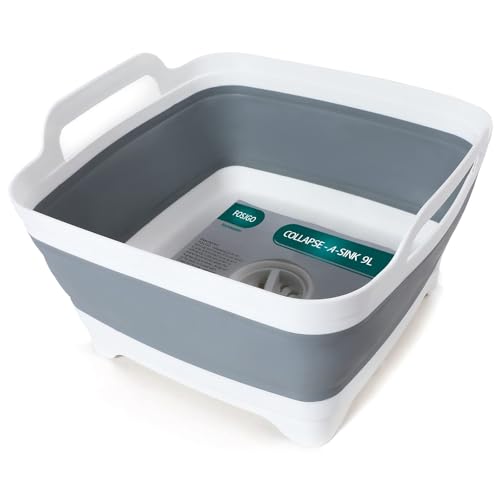
- Collapsible wash basin
Safety & Lighting
- Camp lantern
- Headlamp
- Fire extinguisher
- First aid kit
- Fire starters
Setting Up Your Camp Kitchen for Success
Location matters. Choose a flat, stable surface away from your tent and away from areas where wildlife might pass through. If you are car camping, a camping table provides a dedicated prep and dining surface. For backpackers, a flat rock or a camping mat can serve as a makeshift kitchen area.
Lighting is often overlooked. Cooking in the dark is frustrating and unsafe. A camping lantern or a camping light that illuminates your cooking area makes evening meals far more enjoyable. For cold-weather camping, a camping heater can extend your cooking season and keep you comfortable while you prepare meals.
If you are camping in bear country, review bear safety guidelines and ensure your food storage complies with local regulations. A camping toilet and camping shower setup can also improve your overall campsite experience, especially on extended trips.
For those who want to expand their camp kitchen beyond the basics, consider a camping kitchen station with integrated storage and a windscreen. A camping bar adds a touch of luxury for evening drinks. And for the ultimate convenience, a camping stove and oven allows you to bake fresh bread or roast vegetables—luxuries that feel extraordinary in the wilderness.
Frequently Asked Questions
The most essential camp kitchen gear includes a reliable camping stove, a durable cookware set, basic utensils, a cooler for food storage, and a lantern or light source. A folding table or dedicated camp kitchen station also greatly improves organization and cooking efficiency. Start with these core items and expand based on your specific cooking style and trip requirements.
Choose a camping stove based on your needs: a lightweight backpacking stove for solo trips, a two-burner propane stove for car camping, or a multi-fuel stove for international travel. Consider fuel availability, cooking surface size, and wind resistance. If you plan to cook for a group, a two-burner stove provides the space and power you need. For solo adventures, a single-burner canister stove is lighter and more compact.
You can use regular pots and pans on a camp stove, but they may be heavier and less efficient. Camping cookware is designed to be lightweight, nest for compact storage, and distribute heat evenly, making them ideal for outdoor cooking. If you do use regular cookware, choose pieces with flat bottoms that make good contact with the stove grate.
Store food in airtight containers and keep perishables in a camping cooler with plenty of ice. In bear country, follow food storage rules and use bear canisters or hang your food properly. Never store food in your tent. Keep your camp kitchen clean and free of food scraps to avoid attracting wildlife.
Use a dedicated camping kitchen station or a camping table with storage bins. Group items by category: cooking, food storage, cleaning, and lighting. Keep frequently used items accessible and store everything in a consistent place so you can find what you need quickly. A good camping lantern ensures you can see your workspace after dark.
Final Thoughts on Camp and Kitchen
A well-equipped camp kitchen transforms your outdoor experience. It turns meal preparation from a chore into a highlight of your trip. By investing in quality gear that matches your camping style, you will cook better, eat better, and enjoy your time outdoors more fully.
Start with the essentials—a reliable stove, a good cooler, and basic cookware—then expand as your skills and ambitions grow. Whether you are a casual weekend camper or a seasoned backcountry explorer, the right camp kitchen setup makes every meal a success.