The Complete Guide to Indoor Tents: Bringing the Adventure Inside
Discover how an indoor tent can transform your home into a campsite, providing a cozy retreat for kids, a fun play area, or a unique sleeping space for adults.
START EXPLORINGWhy Choose an Indoor Tent? An indoor tent isn't just a toy; it's a versatile tool for creating a dedicated space for play, relaxation, and even better sleep. Whether you're looking to spark your child's imagination, create a cozy reading nook, or enjoy a "camping" experience without leaving the house, an indoor tent is the perfect solution.
What Exactly Is an Indoor Tent?
An indoor tent is a portable, lightweight structure designed for use inside your home. Unlike traditional camping tents built to withstand the elements, indoor tents prioritize aesthetics, ease of setup, and comfort. They are typically made from soft, breathable fabrics like cotton canvas or polyester and are available in a wide range of styles, from simple play tents for children to sophisticated bed tents for a full-size bed that provide a private, cozy sleeping environment. The concept has evolved significantly, with modern designs catering to specific needs such as privacy, sensory regulation, and even indoor camping experiences.
These tents are not just for kids. Many adults use them to create a personal sanctuary for meditation, reading, or simply unwinding after a long day. The rise of "indoor camping" has also popularized the use of these tents for a fun, at-home adventure, especially during colder months or when outdoor travel isn't possible. For those who enjoy the idea of a permanent structure, a house yurt offers a more substantial indoor retreat, blending the feel of a tent with the solidity of a small room.
Key Benefits of Bringing a Tent Indoors
The appeal of an indoor tent goes far beyond simple novelty. These versatile structures offer a surprising range of benefits for individuals and families alike. First and foremost, they provide a dedicated space for imaginative play. For children, an indoor tent can become a castle, a spaceship, a secret clubhouse, or a cozy reading corner. This fosters creativity and provides a healthy outlet for energy, especially on rainy days or during the winter. Parents often find that a indoor tent helps establish a calming routine, as children associate the tent with quiet time or sleep.
For adults, the benefits are equally compelling. An indoor tent can serve as a private meditation space, a sound-dampened area for focused work, or a cozy nook for reading. If you struggle with sleep, a bed tent for a full-size bed can create a snug, enclosed environment that promotes deeper rest by blocking out light and reducing visual clutter. Furthermore, for those who love camping but live in urban areas, an indoor tent allows you to practice your pitching tent skills or simply enjoy the "camping" atmosphere without the hassle of travel. It's a wonderful way to introduce the concept of camping to camping with dogs in a safe, controlled environment before heading outdoors.
Exploring the Different Types of Indoor Tents
The market for indoor tents is surprisingly diverse, with options tailored to different ages, needs, and spaces. Understanding the categories can help you find the perfect fit for your home.
1. Play Tents for Kids
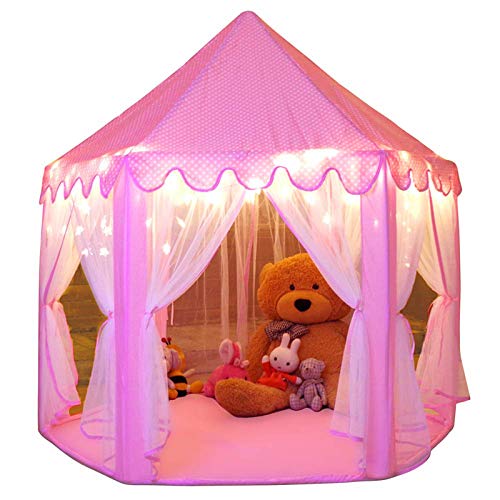
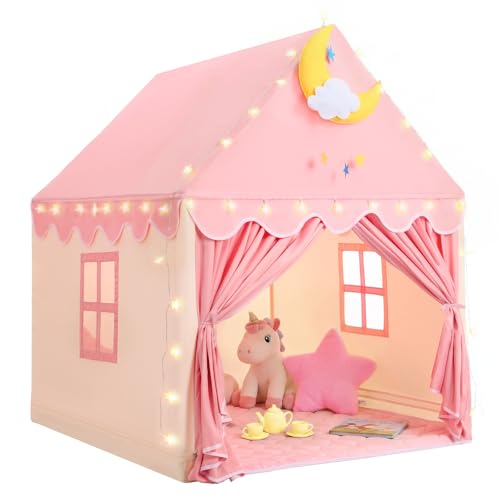
These are the most common type, designed to spark imagination. They come in various shapes like castles, teepees, and domes, often featuring colorful designs and themed prints. They are lightweight, easy to assemble, and perfect for a child's bedroom or playroom. Many are designed to be easy set up screen tent for camping styles, making them convenient for quick indoor and outdoor use.
2. Bed Tents for Adults and Children
A bed tent is a specialized structure that sits directly on top of a mattress. These are ideal for creating a private sleeping space, reducing light, and providing a sense of security. They are particularly popular for children transitioning from a crib to a bed or for adults who want a cozy, enclosed sleeping experience. A bed tent for a full size bed is a popular choice for couples or individuals wanting a larger, more spacious indoor retreat.
3. Sensory and Privacy Tents
These tents are designed for individuals with sensory processing needs, offering a calm, dark, and quiet environment to decompress. They are often used in therapy and at home to help with anxiety, autism, or ADHD. The design prioritizes ease of access, durability, and the ability to block out external stimuli.
4. Indoor Camping Tents
For the enthusiast who wants to simulate a real camping experience, some larger indoor tents are designed to mimic the look and feel of a traditional camping tent. They can be set up in a living room or basement, allowing for a fun "indoor camping" night. These tents might even be compatible with accessories like a heated tent for winter warmth, though safety is paramount when using any heating device indoors. For a more permanent indoor structure, a bell tent can be a stunning addition to a large room, creating a unique and cozy space.
How to Choose the Perfect Indoor Tent for Your Home
Selecting the right indoor tent requires a bit of planning. Consider these factors to ensure you make a choice that you'll love for years to come.
- Purpose: Is it for play, sleep, or privacy? A child's play tent will have different requirements than a bed tent for a full size bed intended for adult use. If you're looking to create a dedicated sleeping space for a child, a tent for the back of a SUV style might not be suitable indoors, but a dedicated bed tent is perfect.
- Size and Space: Measure your available space carefully. Ensure the tent's footprint fits comfortably in your room without blocking walkways or furniture. Consider the height; some tents are designed for standing, while others are for sitting or lying down.
- Material and Breathability: Look for soft, breathable fabrics like cotton or high-quality polyester. This is crucial for comfort, especially if the tent will be used for sleeping. Avoid materials that trap heat or feel clammy.
- Ease of Setup and Storage: The best indoor tent is one that you can easily set up and take down. Look for features like pop-up mechanisms or color-coded poles. Also, consider where you will store it when not in use. An easiest tent to set up and take down is a joy to own.
- Style and Aesthetics: Since it will be a part of your home decor, choose a design that complements your room. Whether it's a classic a tent shape, a whimsical medieval tent, or a sleek modern dome, there's a style for every taste.
- Safety Features: Ensure the tent is made from non-toxic materials, especially if it's for children. Check for flame-resistant fabrics and ensure there are no sharp edges or small parts that could be a choking hazard.
Setting Up Your Indoor Tent: A Few Simple Steps
Setting up an indoor tent is generally a straightforward process, but a few tips can make it even easier. First, clear the area where you plan to place the tent. Ensure the floor is clean and free of sharp objects that could damage the tent's floor. If you're using a tent with poles, follow the manufacturer's instructions carefully. For pop-up tents, simply remove them from the carry bag and let them unfold. It's often helpful to practice setting up your tent outdoors first, like when you're setting up a tent on a platform or setting up a tent on the beach, to get a feel for the process. Once you're comfortable, you can bring it inside. For a truly authentic feel, you can even learn how to setup tent on snow (using fake snow or blankets) for a themed indoor experience. If you're using a larger tent like a 6 person tent you can stand up in, ensure you have enough ceiling clearance.
Safety and Maintenance Tips for Indoor Tents
While indoor tents are designed for indoor use, safety should always be a priority. Never use fuel-burning heaters, stoves, or any other combustion devices inside an indoor tent. This poses a severe risk of carbon monoxide poisoning and fire. If you want to use a heater, opt for a safe tent heaters for camping battery operated model that is specifically designed for indoor use. Always keep the tent away from open flames, heaters, and electrical outlets. Ensure good ventilation in the room, especially if the tent is occupied for extended periods.
Maintenance is simple. Most indoor tents can be spot-cleaned with a damp cloth and mild soap. Avoid using harsh chemicals or machine washing unless the manufacturer explicitly states it's safe. Regularly check for loose threads, damaged zippers, or bent poles. Proper storage in a cool, dry place will extend the life of your tent. By following these guidelines, your indoor tent will remain a safe and enjoyable part of your home for a long time.
Indoor Tent vs. Outdoor Tent: What's the Difference?
While the basic concept is similar, indoor and outdoor tents are engineered for very different environments. An outdoor tent, like a 4 season tent with stove jack for sale, is built to withstand rain, wind, and UV exposure. They use durable, waterproof materials like coated nylon or polyester and feature robust poles and guy lines. An indoor tent, on the other hand, prioritizes breathability, comfort, and aesthetics. They are not designed to be waterproof or to withstand harsh weather. Using an indoor tent outdoors is not recommended, as it may leak or be damaged by the elements. Similarly, an outdoor tent can be used indoors, but it might be overkill and less comfortable due to its heavier materials. For a dedicated indoor experience, it's best to choose a tent designed for that purpose. If you're looking for a tent that blurs the line, a tree tent is a unique option for outdoor adventures, while a house yurt can be a permanent indoor or outdoor structure.