Events Tent: The Complete Guide to Choosing the Perfect Event Shelter
Whether you are planning a wedding, festival, corporate gathering, or backyard party, the right events tent transforms any outdoor space into a memorable venue. Learn how to choose, set up, and maintain event tents like a professional planner.
START EXPLORINGWhy an Events Tent Matters: An events tent is more than just a roof over your guests' heads. It sets the tone for your entire occasion, protects against unpredictable weather, and provides a blank canvas for decoration and branding. From intimate garden parties to large-scale festivals, the right tent ensures comfort, safety, and style. This guide walks you through every consideration, from size and material to anchoring and accessories, so you can make a confident decision.
What Is an Events Tent and Why Do You Need One?
An events tent, sometimes called a party tent, event shelter, or festival tent, is a temporary structure designed to provide cover and ambiance for outdoor gatherings. Unlike camping tents that prioritize portability and sleep comfort, events tents focus on open floor space, headroom, and aesthetic appeal. They come in a wide range of sizes, shapes, and materials, from compact pop-up canopies for a few guests to massive pole tents that can host hundreds of people.
The primary benefit of an events tent is weather protection. Rain, harsh sun, and wind can ruin an outdoor event in minutes. A quality tent keeps guests dry, cool, and comfortable. Additionally, tents create a defined space that feels intentional and polished, which is especially important for weddings, corporate functions, and brand activations. If you are planning a multi-day festival, a durable tent also serves as a basecamp for equipment and staff.
When selecting a tent, consider how it fits into your broader event setup. For example, if you are organizing a camping-themed festival, you might pair your main events tent with smaller festival tents for vendors or workshops. Similarly, if your event includes overnight stays, you may want to explore options for overnight camping accommodations nearby. The key is to think of your events tent as the centerpiece of a well-planned outdoor experience.
Types of Events Tents: Find the Right Style for Your Occasion
Not all events tents are created equal. The structure you choose affects setup time, weather resistance, aesthetics, and cost. Below are the most common types, along with their strengths and ideal use cases.
Frame Tents
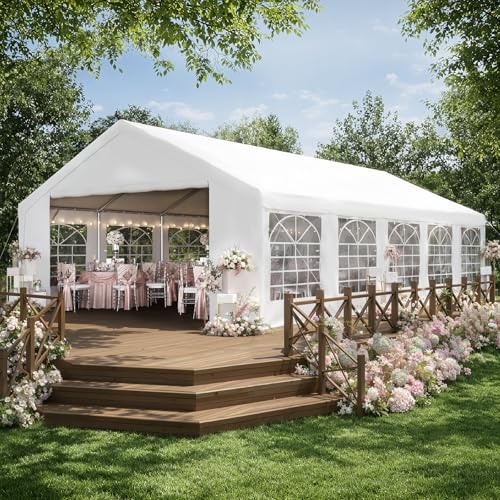
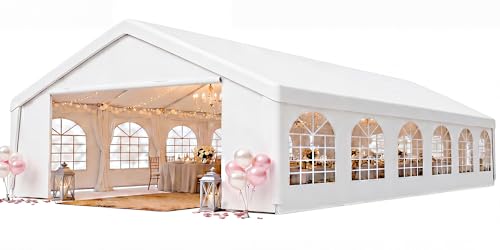
Frame tents use a metal framework (usually aluminum or steel) to support the canopy. They do not require center poles, which means the entire interior is open and usable. This makes them excellent for seated dinners, dance floors, and presentations. Frame tents can be installed on a variety of surfaces, including concrete and asphalt, using weights instead of stakes. They are a popular choice for weddings and corporate events where a clean, unobstructed look is desired. For a related option, consider a large tent if you need even more space.
Pole Tents
Pole tents rely on center poles and tensioned fabric to stand. They have a classic, elegant silhouette and are often used for weddings and garden parties. However, the center poles can limit layout options. Pole tents require staking into grass or soil, so they are not suitable for hard surfaces. They tend to be more affordable than frame tents of similar size, making them a great option for budget-conscious planners.
Pop-Up Canopy Tents
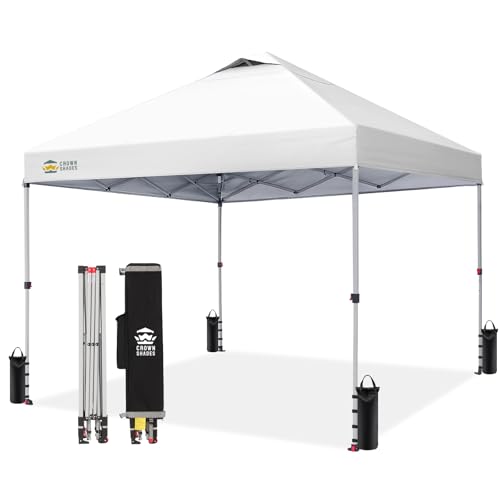
Pop-up canopy tents are the easiest to set up and transport. They feature a scissor-like frame that expands quickly, often in under ten minutes. These tents are ideal for small gatherings, market stalls, and casual parties. While they are not as weather-resistant as frame or pole tents, high-quality pop-up models with weighted bases and sidewalls can handle moderate conditions. For a compact option, look at a 10x10 canopy tent with sides.
Inflatable Tents
Inflatable tents use air beams instead of metal poles. They are gaining popularity for their futuristic look and rapid setup. These tents are highly portable and can be deflated and packed into a relatively small bag. They are a great choice for glamping events and unique brand experiences. If you are interested in a striking visual centerpiece, an inflatable bubble tent can create a memorable atmosphere.
Clear Span Tents
Clear span tents are a type of frame tent with no interior poles at all. They offer maximum open space and are often used for large weddings, galas, and exhibitions. They are the most expensive type but provide unmatched versatility and a premium feel.
Frame Tent
- No center poles
- Works on hard surfaces
- Mid-range to premium
- Great for dining & dancing
Pole Tent
- Classic look
- Requires staking
- Entry-level to mid-range
- Best for grassy venues
Pop-Up Canopy
- Fastest setup
- Most portable
- Budget-friendly to mid-tier
- Ideal for small events
Inflatable Tent
- Unique aesthetic
- Quick inflation
- Premium to luxury
- Great for glamping
How to Choose the Right Size Events Tent
Size is one of the most critical decisions when renting or buying an events tent. Too small, and your guests will feel cramped. Too large, and the space can feel empty and cost more than necessary. The right size depends on your guest count, the type of event, and the layout you envision.
General Space Guidelines
- Seated dinner: Allow 10 to 15 square feet per person.
- Cocktail reception: Allow 8 to 10 square feet per person.
- Theater-style seating: Allow 6 to 8 square feet per person.
- Dance floor: Add 2 to 3 square feet per dancer.
- Buffet and bar: Reserve additional space, typically 100 to 200 square feet per station.
Common Tent Sizes and Capacities
The table below provides a general reference for how many guests different tent sizes can accommodate for a seated dinner. Keep in mind that these are estimates; your specific layout and additional elements will affect capacity.
| Tent Size | Seated Dinner | Cocktail Style | Best For |
|---|---|---|---|
| 10x10 feet | 8-10 guests | 12-15 guests | Small parties, market stalls |
| 10x20 feet | 16-20 guests | 25-30 guests | Birthday parties, small weddings |
| 20x20 feet | 30-40 guests | 50-60 guests | Intimate weddings, corporate lunches |
| 20x40 feet | 60-80 guests | 100-120 guests | Weddings, medium corporate events |
| 30x60 feet | 120-150 guests | 180-200 guests | Large weddings, festivals |
| 40x80 feet | 200-250 guests | 300+ guests | Major festivals, exhibitions |
When in doubt, consult with a tent rental professional. They can help you create a floor plan and recommend the ideal size. If you are organizing a multi-day event, you may also want to consider a large tent that can serve as a central hub, with smaller picnic tents or beach shelters for breakout areas.
Materials and Weather Resistance: What to Look For
The material of your events tent determines its durability, appearance, and ability to withstand the elements. Most tents use one of three canopy materials: polyethylene, PVC, or canvas. Each has distinct advantages.
Polyethylene (PE)
Polyethylene is the most common material for entry-level and mid-range tents. It is lightweight, water-resistant, and relatively affordable. PE tents are a good choice for casual events and short-term use. However, they may degrade faster under intense UV exposure and are not as tear-resistant as higher-end materials.
PVC (Polyvinyl Chloride)
PVC is a heavier, more durable material often used in premium and luxury tents. It is highly waterproof and UV-resistant, making it ideal for long-term installations and harsh weather. PVC tents are also easier to clean and maintain. The trade-off is higher weight and cost. If you need a tent that can handle heavy rain and wind, PVC is a top contender.
Canvas
Canvas tents offer a classic, natural look that is popular for weddings and rustic-themed events. They breathe well, which reduces condensation, and are naturally water-resistant when treated. However, canvas requires more maintenance and is heavier than synthetic options. It is a premium choice for planners who prioritize aesthetics and tradition.
Weather Resistance Features
- Waterproof rating: Look for tents with a hydrostatic head rating of at least 1,500mm for reliable rain protection.
- UV protection: A UPF rating of 50+ ensures your guests are protected from harmful sun rays.
- Wind resistance: Reinforced seams, guy lines, and sturdy anchoring systems are essential for windy locations.
- Sidewalls: Removable sidewalls provide flexibility, allowing you to open up the tent in good weather and close it during rain or wind.
For events in unpredictable climates, consider a tent with a waterproof design and add a large tarp as an extra layer of protection. If you are planning a winter event, a winter tent with insulated walls and a stove jack can keep guests comfortable in cold temperatures.
Setup and Anchoring: A Step-by-Step Overview
Proper setup and anchoring are non-negotiable for safety. An events tent that is not securely fastened can become dangerous in sudden wind gusts. Here is a general overview of the setup process, though always follow the manufacturer's instructions for your specific model.
Step 1: Choose the Right Location
Select a flat, level area free of rocks, roots, and debris. Avoid low spots that could collect water during rain. If possible, position the tent so that prevailing winds hit the side rather than the entrance. Check for overhead hazards such as tree branches and power lines.
Step 2: Assemble the Frame or Inflate the Beams
For frame tents, lay out all components and connect the poles according to the manual. For inflatable tents, use an electric pump to inflate the air beams to the recommended pressure. For pop-up canopies, expand the frame on a clean surface before lifting it into place.
Step 3: Attach the Canopy
Drape the canopy over the frame or attach it using the provided hooks and loops. Ensure the canopy is centered and taut. A loose canopy can flap in the wind and cause damage.
Step 4: Anchor the Tent
Anchoring methods depend on the surface:
- Grass or soil: Use heavy-duty metal stakes driven at a 45-degree angle.
- Concrete or asphalt: Use water barrels, concrete weights, or sandbags. Some tents come with base plates that can be bolted down.
- Deck or wooden surface: Use deck anchors or weighted bases.
Always use guy lines for additional stability, especially in exposed locations. If you are setting up on a beach, sand anchors or augers are essential. For more tips on beach setups, see our guide to setting up a tent on the beach.
Step 5: Add Sidewalls and Accessories
Once the tent is secure, add sidewalls, lighting, flooring, and any other accessories. Sidewalls can be clear, solid, or windowed, depending on your needs. Lighting is crucial for evening events; consider lantern lights or C9 string lights for a warm ambiance.
For large tents, professional installation is highly recommended. A team of experienced installers can ensure the tent is safe and properly tensioned. If you are setting up a tent on a platform or trailer, refer to specialized guides like setting up a tent on a platform or setting up a tent on a utility trailer.
Events Tent Ideas: Inspiration for Every Occasion
Events tents are incredibly versatile. Here are some popular use cases to spark your imagination.
Weddings and Receptions
A beautifully decorated frame or pole tent can serve as a stunning wedding venue. Add draping, chandeliers, and a dance floor for a magical atmosphere. For a luxury feel, consider a luxury tent or a glamping tent that offers a more permanent, upscale look.
Festivals and Concerts
Large clear span tents are ideal for festival stages, vendor villages, and VIP lounges. They provide shelter for equipment and crowds. Pair them with festival tents for merchandise booths and food stalls.
Corporate Events and Brand Activations
Custom-branded canopy tents are perfect for trade shows, product launches, and promotional events. You can print your logo on the canopy and sidewalls for maximum brand visibility. A custom pop-up canopy tent is a cost-effective way to stand out.
Backyard Parties and Family Gatherings
For smaller gatherings, a pop-up canopy or a picnic tent provides shade and rain protection. Add a screen gazebo to keep bugs away while enjoying the outdoors.
Camping and Outdoor Adventures
If your event involves camping, an events tent can serve as a communal dining area or activity hub. Combine it with camping tents you can stand up in for guest accommodations. For a truly unique experience, consider a treehouse camping setup or a glamping dome for overnight stays.
Maintenance and Storage Tips for Longevity
To get the most out of your events tent, proper maintenance is essential. Here are some best practices:
- Clean after every use: Remove dirt, bird droppings, and tree sap with a mild soap solution and a soft brush. Avoid harsh chemicals that can damage the fabric.
- Dry thoroughly before storage: Moisture leads to mold and mildew. Set up the tent in a sunny area to dry completely before packing it away.
- Store in a cool, dry place: Avoid damp basements and hot attics. Use a breathable storage bag if possible.
- Inspect hardware regularly: Check for rust, bent poles, and worn straps. Replace damaged components promptly.
- Repair minor damage immediately: Patch small tears with tent repair tape to prevent them from growing.
With proper care, a high-quality events tent can last for many seasons, making it a worthwhile investment for frequent entertainers.
Comparing Events Tent Tiers: Entry-Level to Luxury
Events tents are available at various quality tiers. The table below outlines what you can typically expect at each level. Remember, these are relative classifications; the best choice depends on your specific needs and how often you plan to use the tent.
| Tier | Typical Materials | Weather Resistance | Durability | Best For |
|---|---|---|---|---|
| Entry-Level | Lightweight PE, basic steel frames | Water-resistant, moderate UV protection | 1-2 seasons with occasional use | Casual backyard parties, one-time events |
| Mid-Range | Heavy-duty PE or basic PVC, aluminum frames | Waterproof, good UV protection | 3-5 seasons with proper care | Regular events, small weddings, market stalls |
| Premium | High-grade PVC, reinforced aluminum frames | Fully waterproof, excellent UV protection, wind-rated | 5-10+ seasons | Professional event planning, large weddings, corporate functions |
| Luxury | Architectural-grade PVC or canvas, custom engineering | Extreme weather rated, optional climate control | 10+ years with professional maintenance | High-end weddings, brand activations, permanent installations |
When comparing tiers, consider the frequency of use and the level of finish you desire. A mid-range tent often offers the best balance of performance and value for semi-regular event hosts. For those who plan events professionally, investing in a premium or luxury tent can pay off in reliability and client satisfaction.
Frequently Asked Questions About Events Tents
For 100 guests, you typically need a tent between 20x40 feet and 30x60 feet, depending on whether you need space for dining, dancing, or a buffet. A good rule of thumb is 10 to 15 square feet per person for seated dining and 8 to 10 square feet for standing cocktail-style events.
Most quality events tents are water-resistant, but not all are fully waterproof. Premium models with heavy-duty PVC or polyethylene tops offer superior waterproofing. Entry-level and mid-range tents may require additional rain flies or sidewalls for full protection during heavy rain.
Yes, but you will need specialized anchoring systems such as concrete weights, water barrels, or sandbags instead of traditional stakes. Some tents are specifically designed for hard surfaces and come with weighted base plates.
Setup time varies by size and type. Pop-up canopy tents can be set up in under 10 minutes, while large frame tents may take 2 to 4 hours with a team of two to four people. Professional installation is recommended for tents larger than 20x20 feet.
Frame tents use a metal framework to support the canopy and do not require center poles, offering open interior space. Pole tents use center poles and tensioned fabric, requiring staking and offering a more classic look. Frame tents are more versatile for different surfaces.
Ready to Find Your Perfect Events Tent?
Explore our recommended selection of event tents below. Whether you need a compact pop-up canopy or a grand frame tent, we have curated options to suit every occasion and budget tier.
View Recommended Tents