Sun Shelter Guide: Portable Shade for Camping & Beach
A complete guide to choosing the right sun shelter for camping, beach trips, and outdoor events. Learn about canopy types, UV protection, setup methods, and how to stay cool under the sun.
Why Sun Shelter Matters: Prolonged sun exposure can lead to heat exhaustion, sunburn, and dehydration. A reliable sun shelter provides critical UV protection, reduces ambient temperature by several degrees, and creates a comfortable basecamp for rest, meals, and socializing. Whether you are beach camping or setting up at a camping location, the right shade solution transforms your outdoor experience.
What Is a Sun Shelter and Why Do You Need One?
A sun shelter is a portable structure designed to block direct sunlight and provide a shaded area for outdoor activities. Unlike a traditional camping tent meant for sleeping, a sun shelter prioritizes airflow, quick setup, and broad coverage. It is an essential piece of gear for anyone spending extended time outdoors, from camping trips to picnics and sporting events.
Modern sun shelters come in several forms: pop-up canopies, beach umbrellas, screen gazebos, and retractable canopies. Each serves a slightly different purpose. A portable shade unit is lightweight and easy to carry, while a shade canopy offers larger coverage for group gatherings. For those who want versatility, a retractable canopy allows you to adjust the shaded area as the sun moves.
Types of Sun Shelters: Which One Fits Your Needs?
Choosing the right sun shelter depends on your activity, group size, and terrain. Below is a breakdown of the most common types and their ideal use cases.
1. Pop-Up Canopy Tents
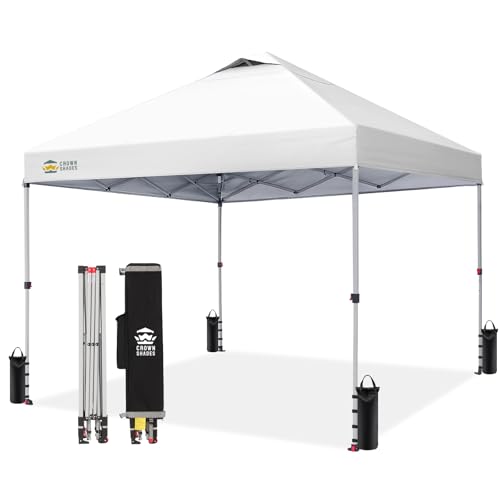
Pop-up canopy tents are the most popular choice for camping and tailgating. They set up in minutes and provide a large shaded area. Many models feature UV-resistant fabric and sturdy frames. For extended camps, consider pairing a canopy with a screen gazebo to keep insects away while enjoying the shade.
2. Beach Shelters and Umbrellas
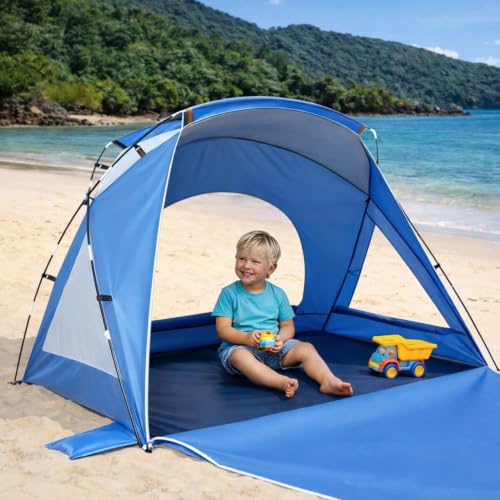
Beach shelters are designed for sandy environments. They often include sand pockets or stakes for stability in wind. A beach shelter is typically lighter and more compact than a full canopy tent. If you prefer a traditional setup, a portable shade umbrella with a sand anchor is a reliable option.
3. Screen Gazebos and Mesh Shelters
Screen gazebos combine shade with insect protection. They are ideal for areas with heavy mosquito activity. A screen gazebo works well as a dining area or lounging space. For larger groups, a gazebo shade can accommodate tables and chairs comfortably.
4. Retractable and Adjustable Canopies
Retractable canopies offer flexibility for changing sun angles. They are commonly used on decks and patios but are increasingly popular for camping. A deck sunshade or canopy deck model can be a permanent or semi-permanent solution for backyard and campsite use.
Sun Shelter Comparison: Key Features at a Glance
| Shelter Type | Setup Time | Best For | UV Protection | Portability |
|---|---|---|---|---|
| Pop-Up Canopy | 2-5 minutes | Camping, tailgating, events | UPF 50+ (mid-range and premium) | Moderate |
| Beach Shelter | 1-3 minutes | Beach, lake, park | UPF 50+ (most models) | High |
| Screen Gazebo | 10-20 minutes | Family camping, bug-prone areas | UPF 30-50+ | Low to Moderate |
| Retractable Canopy | 15-30 minutes | Deck, patio, long-term camps | Varies by fabric | Low |
When comparing tiers, entry-level sun shelters typically use basic polyester fabrics, while mid-range models offer better UV coatings and reinforced frames. Premium and luxury sun shelters often feature aluminum frames, waterproof canopies, and advanced ventilation systems.
How to Choose the Best Sun Shelter for Your Adventure
Before purchasing a sun shelter, consider the following factors to ensure you get the right balance of coverage, portability, and durability.
UV Protection and Fabric Quality
Look for shelters with a UPF rating of 50+ for maximum sun protection. Fabrics like ripstop polyester and nylon with UV-resistant coatings are common in mid-range and high-end models. Entry-level options may offer lower UPF ratings, so check the specifications carefully. If you plan to camp in intense sun, a large tent with a sun canopy attachment can provide additional shade.
Size and Coverage
Determine how many people will use the shelter. A 10x10 canopy is suitable for a small family, while a big tent or huge tent canopy may be needed for group events. For car camping, a large tarp can be combined with poles to create a custom shade solution.
Setup and Portability
Pop-up shelters are the easiest to set up, often requiring just one person. Beach shelters are designed to be lightweight and packable. If you need a shelter that can be erected quickly, consider models that are specifically marketed as easy to set up and take down. For backpacking, a lightweight sleeping setup with a tarp may be more appropriate than a full canopy.
Weather Resistance
Wind and rain can turn a pleasant outing into a challenge. Look for shelters with sturdy stakes, guy lines, and water-resistant canopies. A waterproof tent or canopy with taped seams offers better protection during unexpected showers. For winter camping, a winter tent with a stove jack can double as a sun shelter in snowy conditions.
Additional Features
Some sun shelters include side walls, sandbags, or built-in LED lighting. A canopy deck model may include a floor or integrated seating. If you camp in windy areas, choose a shelter with a low profile and reinforced corners. For events, a events tent with customizable sides is a versatile option.
Best Uses for Sun Shelters
Sun shelters are versatile and can be used in a variety of outdoor settings. Here are some of the most common applications:
- Camping: Create a shaded kitchen or dining area. Pair with a camping chair and camping table for a comfortable setup.
- Beach Trips: A beach shelter protects against intense sun and wind. Look for models with sand anchors.
- Picnics and BBQs: A picnic tent or canopy provides shade for food and guests.
- Events and Parties: A 10x10 canopy tent with sides is ideal for outdoor gatherings.
- Overlanding and RVing: Mount a car side awning to your vehicle for instant shade at camp.
Sun Shelter Maintenance and Care Tips
To extend the life of your sun shelter, follow these maintenance practices:
- Clean Regularly: Remove dirt, sand, and bird droppings with mild soap and water. Avoid harsh chemicals that can damage UV coatings.
- Dry Before Storage: Never store a damp canopy. Mold and mildew can weaken fabric and cause odors.
- Inspect Hardware: Check poles, stakes, and guy lines for wear. Replace damaged components before your next trip.
- Store Properly: Use the original carry bag or a breathable storage sack. Keep away from sharp objects.
- Use in Moderate Conditions: Avoid leaving your shelter up in high winds or storms. Even premium models have limits.
If you frequently camp in harsh conditions, consider a heavy-duty tent or a canvas army tent for maximum durability. For occasional use, a mid-range pop-up canopy is often sufficient.
Sun Shelter Safety: What to Know Before You Go
While sun shelters provide protection, they also require proper setup and use. Follow these safety guidelines:
- Secure Your Shelter: Always stake down or weigh down your shelter. A sudden gust can turn a canopy into a dangerous projectile.
- Avoid Overloading: Do not hang heavy items from the canopy frame. This can cause structural failure.
- Check Fire Regulations: If using a shelter near a campfire, ensure it is fire-resistant. Review campfire safety rules and fire ban guides before your trip.
- Monitor Weather: Take down your shelter if thunderstorms or high winds are forecast. Use a weather alert system to stay informed.
- Practice Leave No Trace: Follow Leave No Trace principles by packing out all trash and minimizing your impact.
Frequently Asked Questions About Sun Shelters
What is the best sun shelter for camping?
The best sun shelter for camping depends on your needs. Pop-up canopy tents offer quick setup and broad coverage, while beach shelters are lightweight and portable. For family camping, a screen gazebo provides both shade and bug protection. Consider a large tent with a canopy if you need an integrated solution.
How do I choose a portable shade for the beach?
Look for a beach shelter with UPF 50+ protection, sand pockets or stakes for stability, and a lightweight carry bag. Pop-up designs are ideal for quick setup, while larger canopy tents work well for families. A beach shelter with a sand anchor is a reliable choice for windy conditions.
Are sun shelters worth it for camping?
Yes, sun shelters are essential for camping in exposed areas. They provide critical UV protection, reduce heat exhaustion risk, and create a comfortable gathering space. Mid-range and premium models offer better durability and wind resistance. If you camp often, investing in a quality shelter is worthwhile.
Can I use a sun shelter in the rain?
Many sun shelters are water-resistant but not fully waterproof. If rain is expected, choose a model with a waterproof canopy and taped seams. A waterproof tent or a large tarp can provide additional protection. Always check the manufacturer's specifications.
How do I set up a sun shelter on sand?
Use sand anchors or fill the shelter's sandbags to secure it. Angle the shelter into the wind for better stability. For a more permanent setup, consider a pop-up beach tent with built-in sand pockets. Avoid setting up in loose sand near the waterline.
Ready to Stay Cool Outdoors?
Explore our recommended sun shelters and camping gear below. Whether you need a lightweight beach shade or a family-sized canopy, we have you covered.
View Recommended Gear