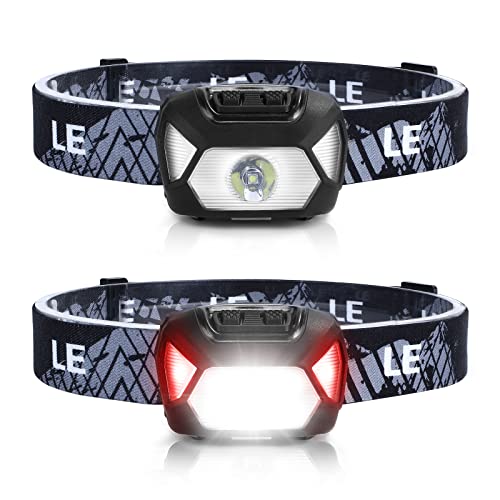
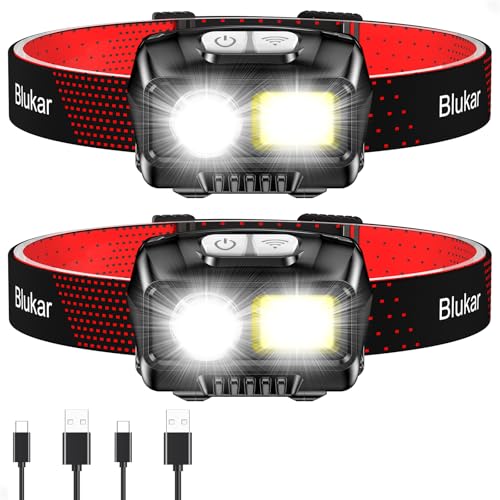
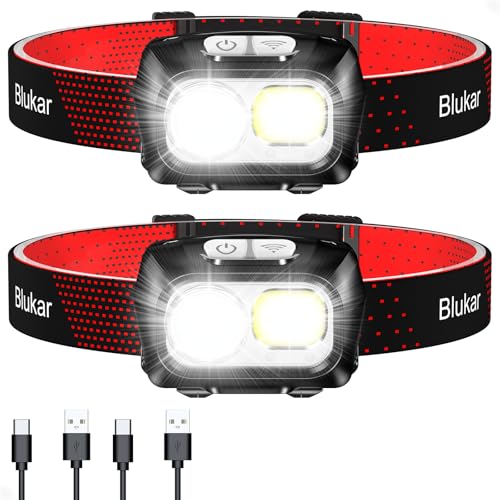
When the sun sets and you're still setting up camp, cooking dinner, or navigating a trail, a camping headlamp becomes your most valuable tool. Unlike a handheld flashlight, a headlamp allows you to work with both hands free while directing light exactly where you need it. Whether you are a weekend car camper, a dedicated backpacker, or a survivalist preparing for emergencies, understanding how to evaluate a headlamp is essential.
This guide covers everything you need to know: from lumens and battery types to beam patterns and weather resistance. By the end, you will be able to confidently choose the right model for your adventures.
Quick Navigation: If you already know you need a headlamp and want to see our top recommended models, jump directly to our Recommended Camping Headlamps section below.
Why a Headlamp Is Essential for Camping
Many campers start with a flashlight, but quickly realize its limitations. A flashlight occupies one hand, casts shadows that can obscure terrain, and is easy to drop. A headlamp solves all these problems. It provides directional light that follows your gaze, keeps your hands free for tasks like cooking, pitching a tent, or reading a map, and is far less likely to be dropped.
For activities like night hiking, setting up a tent in the dark, or answering nature's call at 2 AM, a headlamp is indispensable. It is also a critical safety tool in emergencies. If you are ever lost or injured, having a hands-free light source allows you to perform first aid, signal for help, or navigate to safety. For more on emergency preparedness, see our guide on what to do if you get lost.
Key Features to Evaluate in a Camping Headlamp
Not all headlamps are created equal. The best choice depends on how you plan to use it. Here are the most important factors to consider.
1. Brightness (Lumens)
Lumens measure the total amount of visible light emitted. For camping, you generally do not need extreme brightness. Here is a general guideline:
- Entry-level (50–150 lumens): Sufficient for reading in a tent, organizing gear, or walking around a developed campground.
- Mid-range (150–300 lumens): Ideal for hiking on well-maintained trails, cooking, and general camp tasks. This is the sweet spot for most campers.
- High-end (300–600+ lumens): Necessary for trail running, technical night hiking, search and rescue, or when you need to see far ahead. These often come with multiple brightness settings and may be heavier.
Remember: higher lumens drain batteries faster. Look for a headlamp with multiple brightness modes so you can conserve power when full brightness is not needed.
2. Beam Type and Distance
Headlamps typically offer one or more of the following beam types:
- Spot beam: A focused, narrow beam that throws light far into the distance. Good for hiking and spotting trail markers.
- Flood beam: A wide, even beam that illuminates a broad area. Best for cooking, reading, and working around camp.
- Adjustable/focusable beam: Allows you to switch between spot and flood or adjust the focus. This versatility is highly desirable.
- Red light mode: Preserves night vision and is less disruptive to others in camp. Essential for stargazing or late-night tent organization.
Beam distance is usually measured in meters. For general camping, a beam distance of 50–100 meters is more than adequate. For technical trails, you may want 100+ meters.
3. Battery Life and Power Source
Battery life is often the most overlooked specification. A headlamp that is incredibly bright but dies after two hours is not practical for a full night of camping. Consider these power options:
- Disposable batteries (AAA, AA): Convenient and easy to replace in the field. However, they generate waste and can be costly over time. Always carry spares.
- Rechargeable (USB): Modern rechargeable headlamps are lightweight, eco-friendly, and can be topped up from a power bank or solar charger. They are excellent for frequent campers. See our guide to camping power banks for keeping them charged.
- Hybrid: Some headlamps accept both a rechargeable battery pack and standard disposable batteries, giving you flexibility.
Look for runtime specifications at different brightness levels. A good headlamp should provide at least 8–10 hours of usable light on a medium setting.
4. Weight and Comfort
For backpackers, every ounce counts. Ultralight headlamps can weigh as little as 1–2 ounces (30–60 grams). For car camping or general use, weight is less critical, and you can prioritize features and battery life. Comfort is also important: look for an adjustable headband with a soft, breathable backing. A poorly fitting headlamp can cause headaches or slip during activity.
5. Durability and Water Resistance
Outdoor gear must withstand abuse. Look for a headlamp with an IPX rating. IPX4 means it is splash-resistant, which is sufficient for rain and sweat. IPX7 means it can be submerged in water, which is useful for kayaking or extreme weather. For more on camping in wet conditions, see our article on camping in a tent in the rain.
6. Additional Features
- Lock mode: Prevents accidental activation in your pack, saving battery life.
- Memory function: Remembers your last brightness setting.
- Tilt adjustment: Allows you to angle the light downward for reading or task lighting.
- Strobe/SOS mode: Useful for emergency signaling. See our guide on emergency SOS signals.
How to Choose the Right Headlamp for Your Needs
Use this table to match features to your primary activity:
| Activity | Recommended Brightness | Key Features |
|---|---|---|
| Car Camping / Family Camping | 100–250 lumens | Flood beam, red light mode, long battery life, comfortable headband |
| Backpacking / Ultralight | 150–300 lumens | Lightweight, rechargeable, spot/flood combo, lock mode |
| Night Hiking / Trail Running | 300–600+ lumens | Spot beam with long throw, high brightness, secure fit, weather-resistant |
| Emergency / Survival Kit | 50–200 lumens | Long runtime, strobe/SOS mode, durable, easy to power (AAA or rechargeable) |
| Kids / Scouting | 50–150 lumens | Simple controls, lightweight, durable, fun colors, low brightness to preserve night vision |
Headlamp vs. Flashlight vs. Lantern
While a headlamp is the most versatile personal light source, it is not the only option. A camping lantern is excellent for illuminating a whole campsite or tent interior. A flashlight is useful for specific tasks but ties up a hand. For most campers, a combination of a headlamp (personal) and a lantern (area) is ideal. For ultralight backpackers, a single headlamp with a wide flood beam may suffice.
Maintenance and Care Tips
- Remove batteries from your headlamp if you will not use it for an extended period to prevent corrosion.
- Clean the lens and contacts with a soft, dry cloth.
- Store your headlamp in a cool, dry place.
- Test your headlamp before every trip and always carry spare batteries or a power bank.
Safety Considerations
Never rely on a single light source. Always carry a backup headlamp or flashlight. When using a headlamp in a group, be mindful of others' eyes—avoid shining it directly into someone's face. Use the red light mode in camp to preserve everyone's night vision. If you are camping in bear country, a headlamp is part of your food storage and safety strategy.
Frequently Asked Questions
What is the best lumen count for a camping headlamp?
For general camping, a headlamp with 100–300 lumens is ideal. This range provides enough light for walking, cooking, and reading without draining the battery too quickly. Higher lumens are only necessary for technical night hiking or trail running.
Are rechargeable headlamps better than battery-powered ones?
Rechargeable headlamps are more eco-friendly and convenient for frequent campers, as they can be topped up via USB. However, disposable battery models are useful as backups or for extended trips where you might not have access to power. Many campers carry a rechargeable model and a lightweight backup that uses AAA batteries.
What does IPX4 mean on a headlamp?
IPX4 indicates that the headlamp is splash-resistant and can withstand rain and sweat. It is not designed to be submerged in water. For water activities, look for an IPX7 or IPX8 rating.
Do I need a red light mode on my headlamp?
While not strictly necessary, a red light mode is highly recommended. It preserves your night vision and is less disturbing to wildlife and other campers. It is particularly useful for stargazing, reading in a tent, or navigating around camp without blinding others.
How long should a headlamp battery last?
A good camping headlamp should provide at least 8–10 hours of runtime on a medium brightness setting. On the lowest setting, many models can last for days. Always check the manufacturer's runtime specifications at different brightness levels.
Final Thoughts
A camping headlamp is a small investment that dramatically improves your comfort and safety outdoors. By understanding lumens, beam types, battery life, and durability, you can choose a model that fits your specific needs. Whether you are car camping with the family or thru-hiking a long trail, the right headlamp will be a trusted companion for years.
Remember to always practice Leave No Trace principles, including using your headlamp responsibly to minimize light pollution. Now that you are equipped with the knowledge, you are ready to choose the perfect headlamp for your next adventure.
Ready to buy? Check out our curated selection of recommended camping headlamps below. These models are chosen for their performance, reliability, and value.