
Tarp Large: The Ultimate Guide to Heavy-Duty Camping Shelters
Master the art of the large tarp. Learn how to choose the right size, material, and setup to create a reliable, weatherproof basecamp for any adventure.
EXPLORE THE GUIDEWhy a Large Tarp? A large tarp is the most versatile piece of camping gear you can own. It provides shade, blocks rain, creates a windbreak, and extends your living space. This guide will help you understand every aspect of choosing and using one.
Why a Large Tarp is a Game-Changer for Campers
For many campers, a tent is the primary shelter. But experienced outdoorsmen and women know that a large tarp is the true unsung hero of a comfortable basecamp. It's a simple piece of fabric, yet its impact on your camping experience is profound. It can turn a cramped, rainy day into a cozy, extended living area, provide essential shade during a scorching afternoon, or act as a critical windbreak in exposed terrain. Unlike a dedicated tent, a large tarp offers unmatched flexibility. You can configure it in dozens of ways—as an A-frame, a lean-to, a flat roof, or a windbreak—adapting instantly to the weather and your needs.
This guide is designed for campers who are ready to move beyond the basics. If you're planning a camping trip and want to create a truly functional and comfortable outdoor space, understanding the large tarp is essential. We'll cover everything from the materials used in modern tarps to the specific setups that will keep you dry and comfortable. Whether you're a car camper, a basecamper, or a hiker looking for an ultralight emergency shelter, there's a large tarp solution for you. Let's dive into the world of heavy-duty tarps and discover how they can elevate your next adventure.
Understanding Tarp Sizes: From Overhead to Basecamp
The term "large tarp" is relative. For a solo hiker, a 10x10 tarp might be considered large, while a family basecamp might require a 20x20 or even bigger. The key is to match the tarp's dimensions to your intended use. A common and incredibly versatile size is the 10x10 (or 3x3 meters). It's large enough to shelter a small group for cooking or sitting, yet compact enough for one person to set up alone. For a larger group or a dedicated communal area, a 12x12, 16x16, or even 20x20 tarp becomes necessary. These larger sizes can cover a picnic table, several camp chairs, and all your gear, creating a true outdoor living room.
When choosing a size, consider the "coverage area" and the "pitch height." A tarp pitched high in the center (like an A-frame) offers excellent headroom but less side protection from wind-driven rain. A lower, flatter pitch provides better storm protection but sacrifices standing room. For a family or group, a rectangular tarp (e.g., 12x16 or 16x20) offers more flexibility than a square one, as it can be configured as a long, covered corridor or a wide, open canopy. If you're setting up a dedicated sleeping area, you might pair a large tarp with a floor lantern for evening light, or use it to create a covered porch for your tent. Think of your tarp as the roof of your outdoor home—its size and shape dictate how you live in the space.
Materials & Construction: What Makes a Tarp Heavy-Duty?
Not all tarps are created equal. The difference between a cheap, flimsy tarp and a heavy-duty, reliable one lies in its material and construction. Most camping tarps are made from one of three materials: polyethylene, polyester, or nylon. Polyethylene (often called "poly") tarps are the most common and budget-friendly. They are waterproof and durable, but they are also heavy and can become stiff in cold weather. They are an excellent choice for a dedicated car camping or basecamp tarp where weight is not a concern. Polyester and nylon tarps are the choice for backpackers and serious campers. They are lightweight, pack down small, and are incredibly strong for their weight. Nylon is generally stronger and more abrasion-resistant, while polyester is more UV-resistant and less stretchy.
Beyond the base fabric, look for features like reinforced corners, grommets (the metal rings for tie-downs), and seams. A heavy-duty tarp will have grommets placed at frequent intervals along all edges, and often in the middle of the tarp for versatile pitching options. Reinforced corners are critical, as these are the points of highest stress. A good tarp will also have a coating, such as a silicone or PU (polyurethane) coating, which enhances waterproofness and UV resistance. For a truly durable shelter that can withstand the elements, you might consider a waterproof tent as your primary sleeping quarters and use the large tarp as a communal area or kitchen. The combination is hard to beat.
Essential Large Tarp Setups for Every Condition
The beauty of a large tarp is its adaptability. The same piece of fabric can be transformed into a variety of shelters. Here are some of the most effective and popular setups:
- The A-Frame: The classic and most versatile setup. Pitch it high in the center and low at the sides for excellent all-around protection. It's perfect for a dining area or a general gathering space.
- The Lean-To: A simple, quick-to-pitch shelter that reflects heat from a fire and blocks wind from one direction. It's ideal for an emergency shelter or a minimalist overnight setup. This is a great option if you're practicing skills for a light backpacking trip.
- The Flat Roof / Dining Fly: Pitch your tarp flat and high for maximum shade and headroom. This is the go-to setup for a camp kitchen or a social area in good weather. It's also excellent for creating a shaded spot on a hot day, much like a shade canopy.
- The Windbreak: Simply stake one long edge to the ground and angle the tarp up towards the wind. This creates a solid wall that protects your cooking area or seating from chilling gusts.
Mastering these basic setups gives you the confidence to camp comfortably in a wide range of conditions. Remember to always use guy lines and stakes appropriate for the terrain. In sandy or loose soil, you may need specialized stakes, or you can use rocks or logs as anchors. If you're new to pitching shelters, practicing in your backyard before your trip is invaluable. The skills you learn with a tarp translate directly to other camping tasks, like how to setup tent on snow or set up a tent in the rain.
Pitching, Rigging, and Caring for Your Large Tarp
A successful tarp setup is all about tension and angle. You want the fabric to be taut to prevent sagging and water pooling, but not so tight that you tear the grommets. The angle of your tarp is your primary defense against the weather. For rain, you want a steep angle (45 degrees or more) to allow water to run off quickly. For sun, a flatter angle provides a larger shaded area. Always pitch your tarp with the prevailing wind in mind; a lower edge into the wind will prevent it from becoming a sail. Use quality guy lines—reflective ones are a game-changer at night—and learn a few simple knots like the taut-line hitch, which allows you to adjust tension without untying.
Proper care will extend the life of your large tarp for many seasons. Always clean your tarp before storing it. Dirt and grit can abrade the fabric and coating. Use a mild soap and water, and let it dry completely in the sun before folding. Never store a wet or damp tarp, as this can lead to mildew and rot. When folding, try to fold it loosely and avoid creasing it in the same place every time, as this can weaken the material over time. Store it in a cool, dry place, away from direct sunlight. A well-cared-for heavy-duty tarp is an investment that will serve you for countless trips.
Large Tarp vs. Other Camping Shelters: A Comparison
While a large tarp is incredibly versatile, it's helpful to understand how it compares to other shelter options. A dedicated screen gazebo offers built-in insect protection, which a tarp does not. A picnic tent or beach shelter is designed for quick, temporary use and may be more convenient for a day trip. However, a large tarp beats them all in terms of pure flexibility, weight-to-coverage ratio, and durability for a long-term basecamp. It can do the job of a sun shelter, a retractable canopy, and a windbreak, all in one package. For those who need a more permanent or fully enclosed structure, a large tent or a big tents might be more appropriate. But for the camper who values adaptability and simplicity, nothing beats the large tarp.
If you're looking for a dedicated sleeping solution, a tarp tent is a specific style that combines the lightweight nature of a tarp with the enclosed protection of a tent. However, a simple large tarp is more versatile as a communal area. For those who enjoy a bit of luxury, a luxury tent or glamping dome offers amenities that a tarp cannot. The choice depends on your camping style. If you're a car camper who wants a comfortable, dry space to hang out, a large tarp is an essential addition to your kit.
Your Next Step Towards a Better Basecamp
A large tarp is one of the most cost-effective and versatile upgrades you can make to your camping setup. It provides peace of mind, comfort, and a sense of home in the outdoors. By understanding the different materials, sizes, and setups, you can choose the perfect tarp for your needs and enjoy a new level of outdoor living. Whether you're planning a weekend getaway or a long expedition, a large tarp will quickly become an indispensable part of your gear. Explore our recommended selection below to find the right large tarp for your next adventure.
⚠️ AFFILIATE DISCLOSURE: This website contains affiliate links. As an Amazon Associate, we earn from qualifying purchases. If you make a purchase through these links, we may receive a small commission at no additional cost to you. Read our full affiliate policy.
Recommended Large Tarps & Accessories
⚠️ AFFILIATE DISCLOSURE: This website contains affiliate links. As an Amazon Associate, we earn from qualifying purchases. If you make a purchase through these links, we may receive a small commission at no additional cost to you. Read our full affiliate policy.

MVPNET 20x30Ft 5mil Waterproof Tarp, UV Resistant Blue Multipurpose Tarps
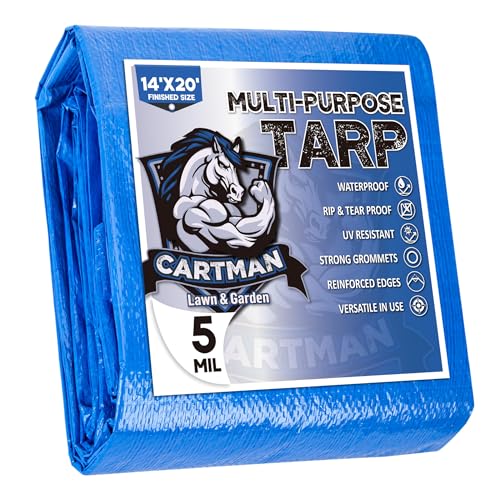
CARTMAN 14x20Ft Multipurpose Waterproof Poly Tarp Cover 5 Mil, Blue

CARTMAN 20x20Ft Multipurpose Waterproof Poly Tarp Cover 8 Mil, Green

CARTMAN 8x10Ft Multipurpose Waterproof Poly Tarp Cover 8 Mil, Green

Amazon Basics Multi Purpose Waterproof Poly Tarp Cover with Grommets, 20 x 20 ft, 10MIL Thick, Brown/Silver, 1-Pack

Stansport Light-Duty Rip-Stop Tarp 12' x 16' - Brown (U-1216)

MVPNET 20x30Ft 7mil Waterproof Tarp Reinforced Edges Grommets, Green/Brown
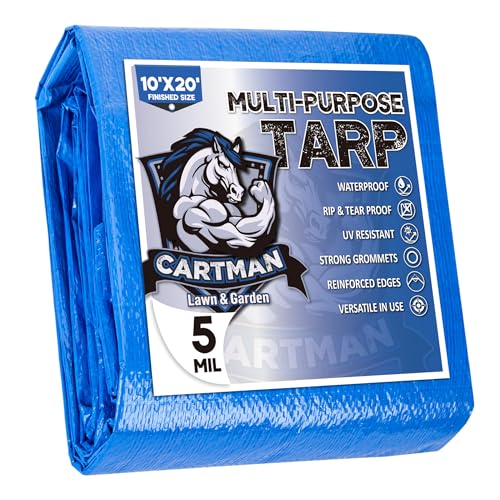
CARTMAN 10x20Ft Multipurpose Waterproof Poly Tarp Cover 5 Mil, Blue
Disclaimer
Outdoor activities involve inherent risks. The information provided on CampLifeEssentials is for educational purposes only. We are not responsible for any injuries, losses, or damages resulting from the use of this information. Some content may use AI assistance. Always practice Leave No Trace principles and verify local regulations before camping. If you do not agree, please do not use this website. Read the full disclaimer.