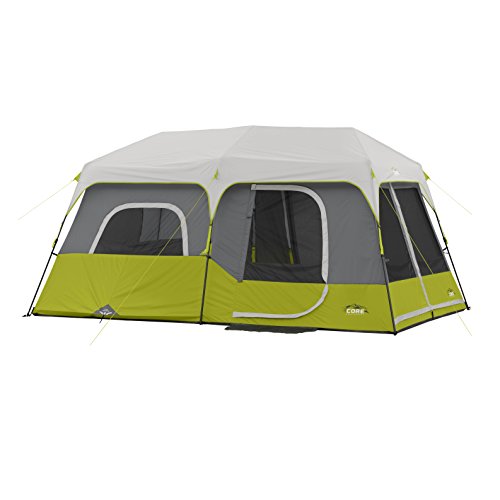
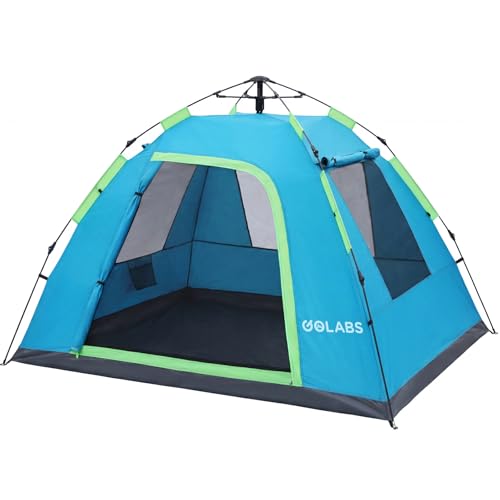
Popup Camping Tents: The Ultimate Guide to Instant Setup Shelters
Discover how popup camping tents can transform your outdoor experience with rapid setup, portability, and convenience. Learn everything you need to know before choosing your instant shelter.
START EXPLORINGWhy Popup Tents? Popup camping tents are designed for campers who value speed and simplicity. Unlike traditional tents that require threading poles and complex assembly, popup tents deploy in seconds, making them ideal for beginners, families, and anyone who wants to spend less time setting up and more time enjoying the outdoors.
What Are Popup Camping Tents?
Popup camping tents, also known as instant tents or quick-setup tents, are shelters that use pre-assembled pole structures or spring-loaded mechanisms to deploy automatically. When you remove them from their carry bag and release the tension, the tent essentially "pops" into shape. This design eliminates the frustration of traditional tent assembly, where you must feed flexible poles through sleeves and connect them at corners.
The convenience of a popup tent extends beyond setup. Most models also fold down just as quickly, collapsing into a compact disc or bundle that fits easily into a carry bag. This makes them particularly appealing for car camping trips, festivals, and short weekend getaways where convenience matters more than ultralight packability.
How Popup Tents Work: The Mechanics Behind the Magic
Understanding the mechanism helps you choose the right model and care for it properly. Most popup tents use one of two primary designs:
- Spring-Loaded Hub System: Fiberglass or steel poles are pre-connected at a central hub. When you unfold the tent, the poles snap into place, creating tension that holds the structure rigid. To pack up, you simply push the hub inward, and the tent collapses.
- Pre-Assembled Pole Frame: The entire pole structure comes pre-threaded through the tent body. You unfold the frame like a giant umbrella, and the poles lock into position. This design is common in instant tents for camping and larger family models.
Both designs rely on tension and locking mechanisms to maintain shape. The key difference lies in pack size and weight. Spring-loaded models tend to be more compact, while pre-assembled frames offer greater structural stability for larger tents.
Key Benefits of Choosing a Popup Tent
The popularity of popup tents has grown significantly, and for good reason. Here are the primary advantages:
- Lightning-Fast Setup: Most popup tents can be fully deployed in under 60 seconds. This is a game-changer when you arrive at your campsite after dark or in bad weather.
- Beginner-Friendly: No prior camping experience is needed. If you can open an umbrella, you can set up a popup tent. This makes them perfect for first-time campers.
- Portability: When packed, popup tents form a compact, lightweight package that fits easily in a car trunk or even a backpack for shorter hikes.
- Convenience for Families: Parents appreciate not having to wrestle with complex poles while managing children. A popup tent means more time for fun and less time for frustration.
- Versatility: Popup tents come in various sizes, from solo shelters to 6-man pop-up tents for camping, making them suitable for solo adventurers, couples, and large families alike.
Types of Popup Camping Tents
Not all popup tents are created equal. Understanding the different types helps you narrow down your options based on your specific needs.
By Capacity
Popup tents range from 1-person solo shelters to massive 12-person basecamp models. A 2-person compact portable pop-up tent is ideal for couples or solo campers who want extra space. Families often gravitate toward 4-man pop-up tents with living areas or 6-man models that offer room for gear and sleeping quarters.
By Season and Weather Resistance
While most popup tents are designed for three-season use (spring, summer, fall), some models are built to handle more extreme conditions. If you camp in wet climates, look for a pop-up tent for cold and rainy weather with a full rainfly and sealed seams. For winter adventures, a 4-season tent with stove jack is a better choice, though these are rarely popup style due to their complex pole structures.
Specialty Popup Tents
Beyond standard camping tents, popup designs extend to niche applications:
- Pop-up privacy tents for outdoor showers and changing rooms.
- Pop-up screen tents for bug-free lounging.
- Pop-up tents for pickup truck beds for overlanding enthusiasts.
- Pop-up ice fishing tents with wood stoves for winter anglers.
- Pop-up tent trailers with ATV racks for off-road adventures.
What to Look For in a Popup Camping Tent
When evaluating popup tents, consider these critical factors to ensure you choose a model that meets your needs and lasts for years.
Material and Durability
The tent body is typically made from polyester or nylon. Polyester is more UV-resistant and less prone to stretching when wet, while nylon is lighter and stronger but can sag. The floor material is equally important; look for a thick, durable polyethylene or coated polyester floor that resists punctures and moisture. A common question is whether nylon or polyester is better for tents; the answer depends on your priorities, but both can perform well with proper coatings.
Weather Resistance
Check the hydrostatic head rating of the rainfly and floor. A rating of 1,500mm to 3,000mm is suitable for moderate rain, while 3,000mm+ is better for heavy downpours. Taped seams and a bathtub-style floor (where the floor material extends up the walls) significantly improve waterproofing. For beach camping, a pop-up beach tent sun shade shelter offers UPF protection and ventilation.
Ventilation
Condensation is a common issue in any tent. Look for models with mesh panels, roof vents, and adjustable windows. A black-out pop-up double-skin 3-man tent often includes ventilation features that balance privacy with airflow.
Size and Standing Height
If you prefer to stand up while changing clothes or moving around, look for a pop-up tent you can stand up in. These models typically have peak heights of 6 feet or more. For smaller groups, a 2-person tent you can stand up in offers comfort without excess bulk.
Weight and Packed Size
Popup tents are generally heavier and bulkier than traditional backpacking tents. A 2-person compact portable pop-up tent might weigh 5–8 pounds, while larger family models can exceed 20 pounds. Consider how you'll transport the tent. For car camping, weight is less critical. For backpacking, a popup tent may not be the best choice unless you prioritize setup speed over pack weight.
Ease of Setup and Take-Down
While all popup tents are designed for quick setup, some are easier to pack away than others. Read reviews or watch videos to see how easily a tent collapses. Models with color-coded poles or instructional tags inside the carry bag simplify the process. If you're looking for the absolute easiest options, consider the easiest 1-person tent to set up or the easiest tent to set up and take down.
Popup Tents vs. Traditional Tents: A Comparison
To help you decide, here's a side-by-side comparison of popup tents and traditional dome or cabin tents.
| Feature | Popup Tent | Traditional Tent |
|---|---|---|
| Setup Time | Under 1 minute | 5–15 minutes |
| Ease of Use | Very easy, no assembly | Requires pole assembly |
| Packed Size | Compact disc or bundle | Typically longer and narrower |
| Weight | Moderate to heavy | Lightweight options available |
| Durability | Good, but mechanism can wear | Excellent, simple design |
| Weather Resistance | Good for 3-season use | Excellent, especially 4-season |
| Best For | Car camping, festivals, beginners | Backpacking, extreme weather, long trips |
Popular Popup Tent Models and Features
The market offers a wide range of popup tents, from entry-level to premium. Here are some standout categories and what to expect from each tier.
Entry-Level Popup Tents
Entry-level popup tents are budget-friendly and ideal for occasional use. They typically feature basic polyester construction, a simple rainfly, and a spring-loaded hub system. While they may not withstand severe weather, they perform well for summer camping in mild conditions. A 2-person compact portable pop-up tent from this tier is a great starter option.
Mid-Range Popup Tents
Mid-range models offer improved materials, better waterproofing, and more thoughtful features like mesh panels, gear lofts, and sturdy carry bags. They often include a pop-up screen tent with rain flaps for versatility. A 4-man pop-up tent with porch in this tier provides excellent value for families.
Premium Popup Tents
Premium popup tents prioritize durability and advanced features. You'll find models with blackout fabric for better sleep, double-skin construction for insulation, and reinforced poles for longevity. A black-out pop-up double-skin 3-man tent is a prime example, offering superior comfort and privacy. For large groups, a 4-man pop-up tent with 2 rooms or even a 6-man pop-up tent can serve as a comfortable basecamp.
How to Choose the Right Popup Tent for Your Needs
Follow this step-by-step approach to make an informed decision.
- Determine Your Group Size: Add one to the number of people sleeping in the tent. For example, two campers should look for a 3-person tent for comfortable space. A 2-person pop-up tent with air mattress is ideal for couples.
- Consider Your Camping Style: Car campers can prioritize size and comfort, while backpackers need lightweight options. If you camp in cold weather, explore winter tents or a pop-up tent for cold and rainy weather.
- Evaluate Weather Conditions: For rainy regions, invest in a tent with a high hydrostatic head and a full-coverage rainfly. For sunny, hot climates, prioritize ventilation and UV protection.
- Check Setup and Take-Down: Read reviews about how easy the tent is to pack away. Some models are notoriously difficult to fold, so do your research.
- Look for Extras: Features like built-in LED lights, gear pockets, and a pickup truck compatibility can enhance your experience.
- Read Reviews and Watch Videos: Real-world feedback is invaluable. Look for reviews that mention durability, waterproofing, and ease of use.
Tips for Using and Maintaining Popup Tents
Proper care extends the life of your popup tent and ensures it performs when you need it.
- Practice at Home: Before your trip, set up and take down your tent in your backyard. This helps you learn the mechanism and identify any issues.
- Never Force the Mechanism: If the tent resists folding, check for trapped fabric or bent poles. Forcing it can break the hub or poles.
- Clean and Dry Before Storage: Always dry your tent thoroughly before packing it away. Moisture leads to mold and mildew.
- Use a Ground Tarp: A footprint or tarp under the tent protects the floor from punctures and abrasion.
- Store Loosely: Avoid compressing the tent tightly for long periods. Store it loosely in a cool, dry place.
- Check Seams and Zippers: Periodically inspect seams and apply seam sealant if needed. Lubricate zippers with silicone spray.
- Be Mindful of Wind: Popup tents can act like sails in strong wind. Always stake them down and use guy lines.
Common Mistakes to Avoid with Popup Tents
Even experienced campers make mistakes. Here are pitfalls to avoid:
- Not Staking Down the Tent: Popup tents are lightweight and can blow away. Always stake them down, even in calm weather.
- Overlooking Ventilation: Closing all vents leads to condensation. Keep vents open unless it's raining heavily.
- Ignoring the Rainfly: The rainfly is your primary defense against rain. Always deploy it, even if the sky looks clear.
- Packing a Wet Tent: This is the fastest way to ruin a tent. Always dry it completely.
- Using the Wrong Ground Surface: Avoid setting up on sharp rocks or thorny ground without a protective footprint.
- Forgetting to Check Regulations: Some campgrounds have restrictions on tent types or sizes. Check national park rules and state park rules before you go.
Popup Tents for Specific Scenarios
Different camping scenarios call for different tent features. Here's how popup tents excel in various situations.
Popup Tents for Car Camping
Car camping is where popup tents shine. The ability to set up camp in seconds after a long drive is invaluable. A 4-person cabin camping tent with instant setup offers ample space for a family, while a 2-person pop-up tent with air mattress is perfect for couples. For those who want a tent that fits in the back of an SUV, a tent for the back of a SUV provides a seamless indoor-outdoor experience.
Popup Tents for Beach Camping
Beach camping requires tents that handle sun, sand, and wind. A pop-up beach tent sun shade shelter is designed for this environment, offering UV protection and easy anchoring. For overnight beach trips, a pop-up beach tent that fits in a suitcase is incredibly convenient for travel.
Popup Tents for Festivals and Events
Festival camping demands quick setup and takedown, often in crowded fields. A pop-up tent for the back of a pickup truck or a 10x10 canopy tent with sides can serve as a festival base. For privacy, a pop-up privacy tent is a must-have.
Popup Tents for Winter and Cold Weather
While popup tents are not typically designed for extreme winter conditions, some models can handle cold weather with proper preparation. A pop-up tent for cold and rainy weather with a sturdy rainfly and sealed seams can work for three-season camping in cold climates. For true winter camping, consider a 4-season tent with stove jack or a hot tent camping setup.
Frequently Asked Questions About Popup Camping Tents
Final Thoughts: Is a Popup Camping Tent Right for You?
Popup camping tents are an excellent choice for campers who value convenience and speed. They are ideal for car camping, festivals, family trips, and beginners who want to avoid the hassle of traditional tent assembly. While they may not be suitable for extreme conditions or ultralight backpacking, their benefits far outweigh their limitations for most recreational campers.
When choosing a popup tent, consider your group size, typical weather conditions, and how you'll transport the tent. Invest in a quality model from a reputable brand, and practice setting it up and taking it down before your trip. With proper care, your popup tent will provide years of reliable service and countless memorable adventures.
Whether you're a seasoned camper looking for a quicker setup or a first-timer wanting an easy introduction to camping, a popup tent can transform your outdoor experience. Explore our recommended products below to find the perfect popup camping tent for your next adventure.
Ready to Find Your Perfect Popup Tent?
Browse our curated selection of top-rated popup camping tents below. Whether you need a solo shelter or a family basecamp, we've got you covered.
View Recommended Tents