Bivy Sack Tent: The Ultralight Shelter for Minimalist Campers
Explore the world of bivy sack tents. Learn how these lightweight, compact shelters offer unparalleled freedom for solo backpackers and minimalist adventurers.
EXPLORE THE GUIDEWhat is a Bivy Sack Tent? A bivy sack (short for bivouac sack) is a lightweight, single-person shelter that serves as a waterproof and breathable outer layer for your sleeping bag. It's the ultimate choice for campers who prioritize minimal weight and pack size over spaciousness.
What Exactly Is a Bivy Sack Tent?
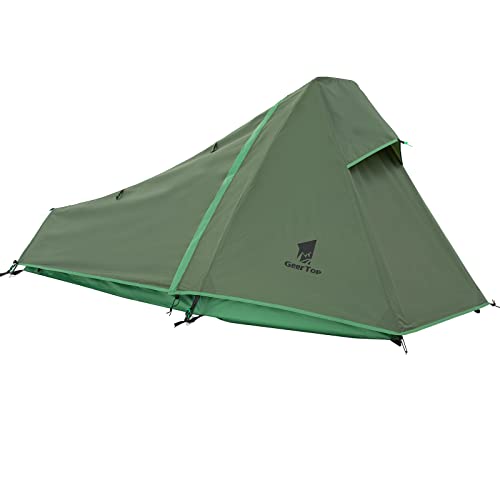
A bivy sack tent, often simply called a bivy, is a minimalist shelter designed for one person. Unlike a traditional tent, which uses poles and a freestanding structure, a bivy sack is essentially a waterproof, breathable bag that covers your sleeping bag. It provides protection from rain, wind, and ground moisture while being incredibly lightweight and packable.
The design is simple: a bathtub-style floor keeps you dry from the ground, a breathable upper fabric allows moisture from your body to escape, and a waterproof top layer protects you from the elements. Many models include a small hoop or pole at the head to keep the fabric off your face, and some feature a mesh window for ventilation. For those who venture into damp environments, pairing a bivy with a tarp can create a versatile and highly protective shelter system.
Bivy sacks are the shelter of choice for alpinists, thru-hikers, and anyone who counts every gram. They represent the purest form of camping: a simple, effective barrier between you and the outdoors. If you're transitioning from a traditional dome tent, a bivy sack will feel like a significant change, but one that offers a unique sense of connection to the environment.
Who Should Use a Bivy Sack Tent?
A bivy sack is a specialized piece of gear, and it's not for everyone. However, for a specific type of camper, it's an indispensable tool.
- Ultralight Backpackers: If you're counting every ounce, a bivy sack is one of the lightest shelter options available. It eliminates the need for poles and often weighs less than a pound. This is ideal for long-distance hikes where pack weight is critical, and you may want to pair it with a lightweight camping backpack to optimize your setup.
- Solo Adventurers: For solo campers, a bivy offers a compact and efficient shelter. If you're wondering is camping alone safe, a bivy's low profile can actually be an advantage in windy conditions, and its small footprint makes it easy to find a stealthy campsite.
- Minimalist Campers: If your goal is to simplify your camping experience, a bivy sack is the essence of minimalism. It forces you to pare down your gear and focus on the essentials. For those looking for a fast and easy setup, an instant tent might be a better choice, but the bivy's simplicity is unmatched.
- Alpine and Winter Campers: Bivy sacks are excellent for winter camping when used inside a larger tent or as a standalone shelter in an emergency. They add an extra layer of warmth and protection from spindrift. In extreme conditions, they can be used in a snow cave or as part of a snow shelter building strategy.
Key Features to Consider in a Bivy Sack
Not all bivy sacks are created equal. Understanding the key features will help you choose the right one for your needs.
1. Material and Breathability
The best bivy sacks are made from waterproof and breathable fabrics like Gore-Tex or proprietary materials like Pertex Shield. Breathability is crucial to prevent condensation from building up inside and soaking your sleeping bag. A highly breathable bivy will keep you drier and more comfortable. Some models use a combination of materials, with a more breathable top and a fully waterproof floor. This is similar to the nylon or polyester debate in tents, where each material has its own pros and cons.
2. Shape and Structure
Bivy sacks come in several shapes. The simplest is a flat, mummy-shaped bag. More advanced models feature a single or double hoop at the head, which creates more space around your face and improves ventilation. Some bivy sacks are more tent-like, with a small pole structure that provides more headroom, blurring the line between a bivy and a smallest pop up canopy. These are often called "bivy tents" or "hooped bivies."
3. Entry and Ventilation
Look for a bivy with a large, easy-to-use entry opening. A good zipper that doesn't snag is essential. Ventilation options, like a mesh window or a closable vent, are important for managing condensation. A well-ventilated bivy is key to a comfortable night's sleep. In humid conditions, you might also consider using a solar-powered camping lamp to help dry out any damp gear.
4. Floor and Ground Protection
The floor of a bivy sack is typically made from a more durable, waterproof material to protect against rocks and moisture. Some campers add a groundsheet for extra protection. When choosing a sleeping pad to go inside, a foam camping pad is a reliable and durable choice. For more comfort, a double sleeping pad can be used if you have a wide bivy, though this is uncommon.
Bivy Sack vs. Tent vs. Hammock: Which is Right for You?
Choosing between a bivy, a tent, and a hammock depends entirely on your camping style and the environment. If you're still deciding, a look at tent vs hammock can be helpful. Here's how a bivy fits into the picture.
- Bivy Sack: Best for ultralight solo trips, alpine climbing, and minimalist adventures where weight and pack size are the top priorities. It offers excellent weather protection for one person but has very limited space.
- Tent: A traditional tent, like a 2 person tent you can stand up in, offers more space, better ventilation, and is more comfortable for longer trips or for those who value a sense of "room." It's a better choice for car camping, family trips, or when you want to bring more gear.
- Hammock: A tent hammock for camping is ideal for warm, wooded areas. It gets you off the ground, which is great for uneven terrain or wet ground, but it requires trees and can be colder than a bivy or tent in windy conditions.
For many campers, the decision comes down to a trade-off between comfort and weight. If you're planning a trip and wondering what to bring on a camping trip, your shelter choice is the first and most important decision. A bivy is a tool for a specific job, and when that job calls for speed and lightness, nothing else compares.
How to Choose the Best Bivy Sack Tent
When you're ready to buy a bivy sack, consider these factors to make the right choice. First, think about your primary use. Are you a fair-weather camper or do you plan to be out in all seasons? A lightweight, simple bivy is great for summer, while a more robust model with a hoop and better ventilation is better for winter camping. Also, consider the size. You'll need a bivy that fits your sleeping bag and a sleeping bag temperature guide can help you determine the right bag for the conditions.
Next, look at the features. A bivy with a good balance of breathability and waterproofing is essential. If you often camp in humid or rainy conditions, a model with excellent ventilation is a must. For those who camp in cold weather, a bivy that adds warmth is a bonus. Finally, check the setup. Most bivy sacks are incredibly simple to set up, but some hooped models have a small pole that needs to be threaded. The easiest 1 person tent to set up might be a bivy, but it's worth practicing at home first. Always remember to follow Leave No Trace principles, no matter what shelter you use.
Frequently Asked Questions About Bivy Sacks
Is a bivy sack comfortable? Comfort is subjective. A bivy is more about efficiency and protection than luxury. It's essentially a cocoon for your sleeping bag, so it offers limited space to move around.
Can I use a bivy sack in the rain? Yes, a quality bivy sack is designed to be waterproof. However, in prolonged, heavy rain, you may want the added protection of a tarp overhead.
How do I prevent condensation in a bivy? Choose a bivy with excellent breathability, and make sure to use the ventilation features. In very humid conditions, condensation can be a challenge for any shelter.
Can a bivy sack replace a tent? For solo, ultralight trips, yes. For family camping or trips where comfort and space are priorities, a tent is a better choice. It's a specialized tool, not a direct replacement for all situations.
Are bivy sacks good for winter camping? Yes, they can be. A bivy sack adds an extra layer of warmth and protects your sleeping bag from snow and wind. However, for extreme winter conditions, a winter tent is often the safer and more comfortable choice.