Camping with Newborn: A Complete Guide for Adventurous Parents
Everything you need to know about taking your baby on their first camping trip — safely, comfortably, and confidently.
EXPLORE THE GUIDEIntroducing your newborn to the great outdoors can be a magical experience, but it requires careful planning and the right gear. Whether you're a seasoned camper or a first-time parent, this guide will walk you through everything you need to know about camping with a newborn. From choosing the right tent and sleep setup to managing feeding schedules and temperature control, we've got you covered.
Before you embark on your adventure, it's essential to understand that camping with a newborn is different from any other camping trip. Their delicate immune systems, inability to regulate body temperature, and need for constant supervision mean you'll need to adapt your approach. But with the right preparation, you can create beautiful memories while keeping your little one safe and comfortable.
⚠️ Important Safety Note
Most pediatricians recommend waiting until your baby is at least 2-3 months old before taking them camping. Always consult your healthcare provider before planning your trip, especially if your baby was born prematurely or has any health concerns.
Is It Safe to Go Camping with a Newborn?
The short answer is yes, with proper precautions. The key is to start slow and choose the right environment. A backyard campout is an excellent way to test the waters before venturing into the wilderness. For first-time camping families, starting with a developed campground rather than wild camping is highly recommended, as it offers access to facilities, other campers for support, and often a quicker route to medical help if needed.
When selecting your campsite, consider the season and weather. Mild temperatures in late spring or early fall are ideal. Avoid extreme heat, freezing cold, and rainy conditions. Also, think about altitude — newborns can struggle with high altitudes, so stick to lower elevations for their first trips. If you're looking for inspiration on where to go, explore our guide to state park camping, which often provides family-friendly amenities.
Essential Gear for Camping with a Newborn
Your gear list will look different from a standard camping trip. Here are the must-have items to keep your newborn safe, warm, and comfortable.
🏕️ Shelter & Sleep
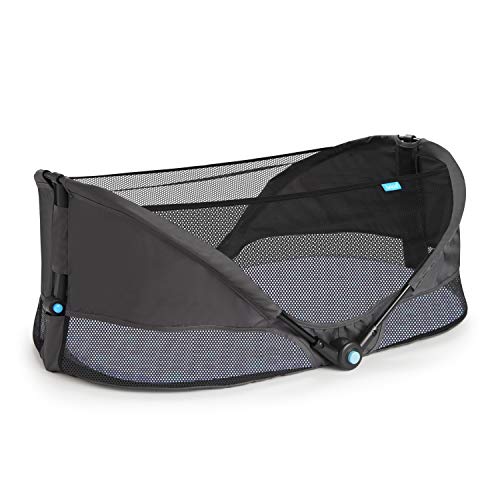
A spacious tent with good ventilation is crucial. Look for a tent with rooms or a blackout tent to help regulate light and temperature. For sleep, a portable bassinet or travel crib with a firm mattress is essential. Never let your baby sleep on an air mattress or sleeping bag. A sleeping mat for parents ensures you're comfortable too.
👶 Baby Carrier
A hands-free carrier is invaluable for hiking and keeping your baby close while setting up camp. It also helps regulate their body temperature through your warmth. Consider a wrap or a structured carrier suitable for newborns.
🌡️ Temperature Control
Layers are your best friend. Pack merino wool or synthetic base layers, fleece mid-layers, and a safe sleep sack. A battery-operated tent heater can be useful in cooler weather, but always ensure proper ventilation and never leave it running unattended near the baby.
🦟 Protection
Insect netting for the stroller, carrier, and crib is a must. Choose a campsite away from standing water to reduce mosquito populations. A screen tent can provide a bug-free play area during the day.
🍼 Feeding & Diapering
Bring plenty of diapers (more than you think you'll need), wipes, and a changing pad. If formula-feeding, pack pre-measured formula and sterile water. If breastfeeding, bring a nursing cover and comfortable pillow. A portable fridge can be handy for storing breast milk or formula safely.
🩹 Safety & First Aid
A well-stocked camping first aid kit is non-negotiable. Include a baby-safe thermometer, nasal aspirator, and any medications your pediatrician recommends. Review common camping injuries to be prepared. Also, know what to do if you get lost and carry a reliable communication device.
Setting Up a Safe Sleep Environment
Safe sleep is the top priority. Your newborn should always sleep on a firm, flat surface with no loose bedding, pillows, or toys. A portable bassinet with a firm mattress that fits snugly is ideal. Place the bassinet away from tent walls to prevent drafts and condensation.
Temperature regulation is critical. Dress your baby in layers and check their temperature by feeling their chest or back — not their hands or feet. If they're too warm, remove a layer. A good rule of thumb is to dress your baby in one more layer than you would wear yourself. For colder nights, consider a sleeping bag temperature guide to understand warmth ratings, though always prioritize safe sleep practices over any gear.
💡 Pro Tips for Camping with a Newborn
- Do a trial run: Set up your tent in the backyard and spend a night in it with your baby before heading to a campsite.
- Pack a routine: Stick to your baby's feeding and sleeping schedule as closely as possible to minimize disruption.
- Bring familiar items: A favorite blanket, pacifier, or white noise machine can help your baby feel secure in a new environment.
- Stay close to home: For the first few trips, choose a campsite within an hour of home or a hospital.
- Check the weather: Use a reliable weather app for camping and be prepared to cancel if conditions are unfavorable.
- Practice Leave No Trace: Dispose of diapers properly and follow Leave No Trace principles to protect the environment for future generations.
Feeding and Hydration Tips
If you're breastfeeding, camping can be surprisingly convenient — no bottles to sterilize or formula to mix. However, you'll need a comfortable, private spot. A pop-up privacy tent can serve as a nursing station. If you're formula-feeding, plan carefully. Bring enough formula for the entire trip plus extra, and ensure you have a way to sterilize bottles, such as a single stove burner and a pot for boiling water.
Hydration is important for breastfeeding mothers. Drink plenty of water, especially if you're active. For formula-fed babies, use bottled or purified water. A camping water filter can be a reliable way to ensure clean water, but always check the manufacturer's guidelines for infant safety.
Weather Considerations for Newborn Camping
Newborns cannot regulate their body temperature effectively, so you must be vigilant about weather conditions. In hot weather, keep your baby in the shade, dress them in lightweight, breathable clothing, and use a shade tent or a pop-up beach tent for sun protection. Never let a baby get overheated — signs include flushed skin, rapid breathing, and irritability.
In cold weather, the risk is hypothermia. Use a 4-season tent with a stove jack for extreme conditions, but for most parents, a well-insulated 3-season tent with a reliable heater is sufficient. Always dress your baby in layers, including a hat, and use a sleep sack. If you're camping in winter, review our winter camping safety guide for additional precautions. For rainy conditions, ensure your tent has a good rain fly and consider a canopy with walls for extra shelter.
Camping with a Newborn vs. Older Baby
Understanding the differences can help you plan appropriately. Here's a quick comparison:
| Aspect | Newborn (0-3 months) | Older Baby (3-12 months) |
|---|---|---|
| Sleep Setup | Portable bassinet with firm mattress | Travel crib or pack-and-play |
| Feeding | Breastmilk or formula only | Can introduce solid foods |
| Mobility | Stationary, needs constant carrying | May crawl or walk, needs play area |
| Temperature Regulation | Very poor, needs constant monitoring | Improving, but still needs layers |
| Ideal Season | Late spring or early fall | Can handle more varied conditions |
| Recommended Trip Length | 1-2 nights maximum | 2-3 nights |
Choosing the Right Campsite
Not all campsites are created equal when you have a newborn. Look for campgrounds with level, well-drained sites, access to clean restrooms, and proximity to your vehicle for easy access to supplies. A waterfront RV park or a luxury RV park can offer amenities like electricity and water hookups, which can make a huge difference when camping with a baby. If you're looking for a more traditional experience, many forest service campgrounds are family-friendly and affordable.
Avoid primitive or dispersed camping for your first few trips. You'll want the convenience of a nearby store, a reliable water source, and other campers around in case of an emergency. If you're camping in a popular area, make sure to check if you need a reservation well in advance.
Frequently Asked Questions
Is it safe to take a newborn camping?
Yes, with careful planning. Most pediatricians recommend waiting until a baby is at least 2-3 months old before camping. Ensure you have proper gear for temperature control, safe sleep surfaces, and protection from insects and weather.
What is the best age to start camping with a baby?
Many families start when the baby is between 3 and 6 months old. At this stage, babies have stronger immune systems and can regulate their temperature slightly better, though constant supervision is still required.
How do I keep a newborn warm while camping?
Use layers, including a base layer, a fleece or wool mid-layer, and a safe sleep sack. A hat is essential. Use a portable heater in a well-ventilated tent, but never leave it unattended near the baby.
What gear do I need for camping with a newborn?
Essential gear includes a safe portable bassinet or travel crib, a baby carrier, plenty of diapers, wipes, warm layers, a sunshade, insect netting, and a first-aid kit. A reliable tent and a comfortable sleeping pad for parents are also crucial.
Can I camp with a newborn in cold weather?
It is not recommended to camp with a newborn in freezing temperatures. If you do, you must have a 4-season tent, a reliable heat source, and a plan to keep the baby's core temperature stable. Always consult your pediatrician first.
Final Thoughts
Camping with a newborn is entirely possible and can be a wonderful way to bond as a family and introduce your baby to nature. The key is preparation, flexibility, and a willingness to adapt. Start with short, local trips, invest in the right gear, and always prioritize your baby's safety and comfort. With these tips, you'll be well on your way to creating lifelong outdoor memories.
Remember, every baby is different. What works for one family may not work for another. Trust your instincts, consult your pediatrician, and don't be afraid to adjust your plans. Happy camping!