White Canopy Tent: The Complete Buyer's Guide
Everything you need to know before choosing a white canopy tent for weddings, events, camping, or backyard gatherings — from fabric types and frame materials to size selection and setup.
START THE GUIDEWhy a White Canopy Tent? White canopy tents have become the go-to shelter for outdoor events because they reflect sunlight, create a bright and neutral atmosphere, and pair well with virtually any décor theme. Whether you are planning a garden wedding, a farmers market stall, or a family camping trip, understanding the differences between models will help you invest wisely.
What Is a White Canopy Tent?
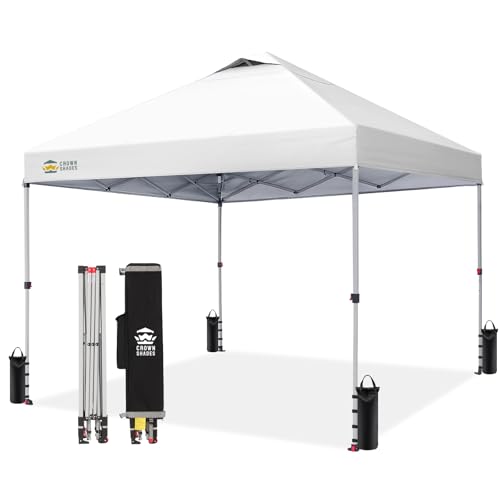
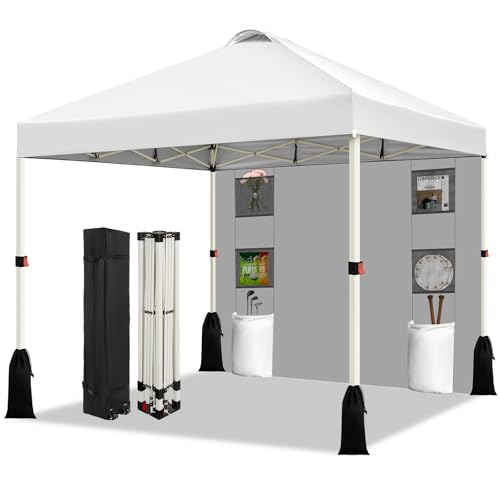
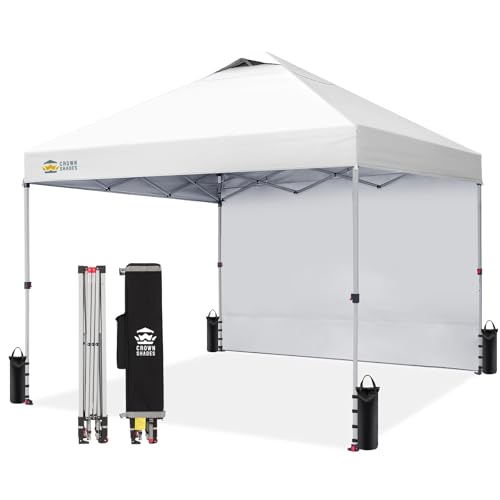
A white canopy tent is a portable shelter featuring a white fabric top — typically made from polyester, polyethylene, or canvas — supported by a metal or fiberglass frame. These tents are designed for quick setup and takedown, making them ideal for temporary outdoor use. Unlike traditional camping tents, canopy tents prioritize open-air coverage over full enclosure, though many models offer optional sidewalls for added protection.
The versatility of a white canopy tent is unmatched. Event planners use them for wedding receptions and corporate gatherings because the white canopy creates a clean, elegant backdrop. Vendors at craft fairs and farmers markets rely on them for shade and product display. Campers use them as dining shelters or shade structures at campsites. And homeowners set them up in backyards for birthday parties, graduation celebrations, and holiday cookouts.
If you are comparing canopy styles, you might also consider a canopy with walls for full enclosure, or a pop-up gazebo for a more permanent backyard fixture. For those who need a customizable option for branding, a personalized canopy tent lets you add logos or text. And if you are specifically looking for shade at the beach or park, an outdoor canopy tent offers similar benefits in a lighter package.
Why Choose a White Canopy Tent Over Other Colors?
Color choice is more than aesthetic — it affects heat, lighting, and atmosphere. White canopy tents offer several practical advantages:
Superior Light Reflection
White fabric reflects up to 80% of sunlight, keeping the space underneath significantly cooler than dark-colored canopies. This makes white canopy tents the preferred choice for daytime events in warm climates.
Neutral Backdrop
White provides a blank canvas that complements any color scheme, floral arrangement, or table setting. Event designers favor white canopy tents because they do not clash with décor.
Professional Appearance
A clean white canopy tent instantly elevates the look of a vendor booth or event space, conveying professionalism and attention to detail.
Better Photographs
Under a white canopy, natural light diffuses evenly, reducing harsh shadows and making photographs look brighter and more flattering.
Key Factors When Buying a White Canopy Tent
Not all white canopy tents are created equal. The quality of materials, frame construction, and included accessories varies widely across the market. Below are the most important factors to evaluate before making a purchase.
1. Fabric Material and Weather Resistance
The canopy top is the most exposed component. Entry-level models typically use thin polyester or polyethylene that offers basic water resistance. Mid-range canopy tents often feature thicker polyester with a polyurethane or PVC coating for improved waterproofing and UV resistance. Premium models may use heavy-duty Oxford weave fabric or marine-grade canvas that withstands prolonged sun exposure and heavy rain.
If you plan to use your canopy tent in rainy conditions, look for a model with a tent rain fly or an integrated waterproof top. For camping-specific needs, a shade tent with a waterproof coating may be more appropriate than a standard event canopy.
2. Frame Material and Durability
Frames are typically made from steel, aluminum, or fiberglass. Steel frames are the most affordable and sturdy but heavier to transport. Aluminum frames are lighter and resistant to rust, making them ideal for frequent setup and takedown. Fiberglass frames offer a balance between weight and durability but may flex more in strong winds.
Whichever material you choose, proper anchoring is essential. Use metal tent stakes or steel tent stakes to secure the legs, especially in open areas where wind gusts are common.
3. Size and Coverage Area
White canopy tents come in a range of standard sizes. The most common are 10x10, 10x20, and 12x12. A 10x10 canopy tent comfortably seats 6 to 8 people at a dining table or provides booth space for a vendor. Larger sizes like a 12x12 canopy tent or a 10 x 10 canopy tent with sides offer more coverage for bigger gatherings.
For commercial use, a 10x10 custom pop up canopy tent with your logo graphics combines branding with practical shade. If you need a larger footprint for events, consider a 10 x 20 pop up canopy tent or a 10 x 20 easy pop up canopy party tent.
4. Setup Mechanism: Pop-Up vs. Traditional
Pop-up canopy tents feature a pre-assembled frame that expands with a simple pull, typically setting up in under two minutes. Traditional pole-style canopies require assembling the frame piece by piece, which takes longer but often results in a more stable structure.
For quick events or vendor use, a buy event tents option with pop-up design is usually the best choice. If you need a more permanent or heavy-duty structure, a canvas wall tent or pop up awning may be worth considering.
White Canopy Tent Tiers: Which One Fits Your Needs?
To simplify your decision, we have categorized white canopy tents into three tiers based on build quality, materials, and intended use. Remember that tier descriptors are relative and do not reflect specific prices.
Budget-Friendly White Canopy Tent
These canopies use lightweight polyester fabric and steel frames. They are ideal for occasional backyard use, light vendor activity, or short camping trips. Expect basic water resistance and limited UV protection. Best for buyers who need a functional shelter without frequent use.
Mid-Tier White Canopy Tent
Mid-range models feature thicker Oxford polyester with PU coating, aluminum or reinforced steel frames, and improved joint mechanisms. These canopies handle regular use at markets, events, and campsites. Many include wheeled carry bags and stake kits. A solid balance of durability and portability.
High-End White Canopy Tent
Premium white canopy tents use heavy-duty fabrics, commercial-grade aluminum frames, and precision engineering. They are designed for professional event planners, frequent vendors, and demanding outdoor conditions. Features may include reinforced corners, wind vents, and modular sidewall systems.
Pros and Cons of White Canopy Tents
Understanding the advantages and limitations of white canopy tents helps set realistic expectations.
Advantages
- Reflects sunlight, keeping the area cooler
- Neutral color suits any event theme
- Quick setup with pop-up designs
- Portable and easy to transport
- Available in many sizes and configurations
- Can be accessorized with sidewalls and weights
Limitations
- White fabric shows dirt and stains more easily
- Entry-level models may leak in heavy rain
- Not designed for extreme wind without proper anchoring
- Limited insulation compared to enclosed tents
- Requires regular cleaning to maintain appearance
White Canopy Tent Comparison by Feature
The table below compares key features across the three tiers. Use this as a quick reference when evaluating models.
| Feature | Entry-Level | Mid-Range | Premium |
|---|---|---|---|
| Fabric Type | Thin polyester | Oxford polyester with PU coating | Heavy-duty Oxford or canvas |
| Frame Material | Standard steel | Aluminum or reinforced steel | Commercial-grade aluminum |
| Water Resistance | Basic | Good | Excellent |
| UV Protection | Minimal | Moderate to high | High |
| Setup Time | 2–5 minutes | 1–3 minutes | 1–2 minutes |
| Sidewall Options | Rarely included | Often optional | Usually included or modular |
| Best For | Occasional backyard use | Regular events and camping | Professional and commercial use |
How to Set Up a White Canopy Tent Safely
Proper setup ensures your canopy tent remains stable and performs well. Follow these steps for a safe installation:
1. Choose a Level Surface. Select a flat area free of rocks, roots, and debris. If the ground is uneven, adjust the legs individually to maintain stability. For beach or soft ground, use sandbags or auger-style anchors instead of standard stakes.
2. Assemble the Frame First. For pop-up models, partially expand the frame before attaching the canopy top. This reduces strain on the fabric and makes the process smoother. For pole-style canopies, connect all frame sections on the ground before lifting.
3. Secure the Canopy Top. Attach the fabric to the frame corners first, then work toward the center. Ensure all hook-and-loop straps or bungee cords are properly fastened. A loose canopy top can flap in the wind and tear.
4. Anchor the Legs. Drive stakes at a 45-degree angle through the leg base plates. For added security, use weight bags or sandbags around each leg. If you are setting up on a hard surface like concrete, use weighted bases instead of stakes.
5. Add Sidewalls if Needed. If you are using a canopy with walls, attach them after the main structure is secure. Sidewalls provide wind protection and privacy but can increase wind load, so ensure your anchors are adequate.
6. Check Stability. Gently push against each leg to test stability. If the canopy shifts, re-tighten stakes or add more weight. Never leave a canopy tent unattended in strong winds.
Common Use Cases for White Canopy Tents
White canopy tents serve a wide range of purposes. Here are the most popular applications:
Weddings and Formal Events. A white canopy tent provides an elegant, neutral shelter for ceremonies and receptions. Pair it with string lights, floral arrangements, and draped fabric for a polished look. For a more whimsical option, a teepee for sale or a bed tent canopy can complement the main structure.
Camping and Outdoor Dining. Campers often use a white canopy tent as a dining fly or shade structure at the campsite. It keeps food preparation areas cool and protects against light rain. If you are camping in cold weather, a hot tent camping setup with a stove jack may be more suitable than a standard canopy.
Vendor Booths and Markets. Craft fairs, farmers markets, and trade shows rely on white canopy tents for consistent, professional booth spaces. A custom pop up canopy tent with your logo helps attract attention while providing shade for products and staff.
Backyard Parties and Gatherings. For birthdays, graduations, and family reunions, a white canopy tent offers shade and shelter without permanent construction. Pair it with canopy chairs outdoor furniture and a folding campfire grill for a complete outdoor setup.
Emergency and Utility Shelter. A white canopy tent can serve as a temporary shelter for disaster relief, outdoor medical stations, or equipment storage. Its bright color makes it highly visible and easy to locate.
Cleaning and Maintaining Your White Canopy Tent
White fabric requires more frequent cleaning than darker colors because stains and dirt are more visible. Follow these maintenance tips to extend the life of your canopy tent:
After Each Use: Shake off loose dirt and debris. Wipe down the frame with a damp cloth to remove dust and moisture. Allow the canopy top to dry completely before folding and storing to prevent mold and mildew.
Deep Cleaning: For stubborn stains, use a mild soap solution and a soft-bristle brush. Avoid harsh chemicals or abrasive cleaners that can damage the fabric coating. Rinse thoroughly with clean water and air dry in a shaded area.
Storage: Store your canopy tent in a cool, dry place away from direct sunlight. Use the carry bag provided to protect the fabric from dust and pests. Avoid compressing the canopy top tightly for long periods, as this can create permanent creases.
Repairs: Small tears or holes can be patched with fabric repair tape or a sewing kit designed for outdoor gear. For frame damage, contact the manufacturer for replacement parts rather than attempting makeshift repairs.
Frequently Asked Questions About White Canopy Tents
White canopy tents are most commonly used for weddings, parties, craft fairs, and outdoor events because the white fabric reflects sunlight and creates a bright, neutral backdrop. They are also popular for camping, backyard gatherings, and vendor booths at markets.
Most mid-range and premium white canopy tents use water-resistant or waterproof fabric coatings. Entry-level models may only offer water resistance, so always check the fabric rating before buying. For heavy rain, look for a canopy with a waterproof PU coating and sealed seams.
Yes, a white canopy tent works well for camping as a shade structure or dining shelter. However, for overnight sleeping, a dedicated camping tent with walls and a rain fly is usually more appropriate. If you need a tent for sleeping, consider a dome tent or outdoor tent designed for camping.
Always anchor the legs with stakes driven at a 45-degree angle. Use weight bags or sandbags for additional security, especially on hard surfaces. Avoid setting up in exposed, windy areas without proper anchoring. Never leave a canopy tent unattended in strong winds.
A 10x10 canopy tent comfortably seats 6 to 8 people at a dining table. For larger gatherings, a 10x20 or 12x12 canopy tent provides more coverage. As a general rule, allow 10 to 15 square feet per guest for standing events and 15 to 20 square feet per guest for seated dining.
Ready to Choose Your White Canopy Tent?
Now that you understand the key factors, browse our recommended white canopy tents below. Each product is selected for quality, durability, and value.
VIEW RECOMMENDED CANOPY TENTSRelated Guides and Resources
Explore these related articles to deepen your understanding of canopy tents and outdoor shelters:
For a broader look at camping shelters, see our guides on outdoor tents and camping tents you can stand up in. If you are planning a beach event, a pop-up beach tent sun shade shelter might be a better fit. And for those who need a temporary garage or storage shelter, a pop up garage offers similar pop-up convenience.