Picnic Tent Guide: Portable Shelters for Outdoor Dining & Relaxation
Create a comfortable, shaded retreat anywhere — from park lawns to sandy beaches. Learn how to pick the perfect picnic tent for your next outdoor gathering.
EXPLORE SHELTERSWhy a Picnic Tent? A dedicated picnic shelter transforms an ordinary outdoor meal into a relaxed, bug-free, and sun-safe experience. Whether you're planning a family reunion, a romantic afternoon, or a solo reading session, the right tent makes all the difference.
What Exactly Is a Picnic Tent?
A picnic tent is a lightweight, portable shelter designed for short-duration outdoor use — typically for daytime gatherings, meals, or relaxation. Unlike heavy camping tents meant for overnight sleeping, picnic tents prioritize quick setup, ample headroom, and excellent ventilation. They often feature large mesh panels to keep insects out while letting fresh air in, and many models include a floor or can be used with a separate groundsheet.
These shelters come in several configurations: pop-up canopies, screen houses, beach tents with extended floors, and even screen gazebos that offer 360-degree protection. The common thread is convenience — you should be able to deploy most picnic tents in under two minutes, with no complex pole assemblies or guylines required.
Key Features to Consider Before You Buy
Setup Speed & Mechanism
Pop-up models use pre-attached poles and a hub system — they practically set themselves up. Easiest tent to set up and take down designs are ideal for impromptu picnics. Traditional pole models take longer but can be more stable in wind.
Weather Protection
Look for a tent with a UPF rating for sun protection and a waterproof coating (at least 600mm) for unexpected showers. Taped seams and a rainfly make a big difference. For rainy climates, consider a waterproof tent specifically rated for wet conditions.
Ventilation & Insect Control
Mesh walls are essential for airflow and bug defense. Some models offer zip-up panels that convert from full mesh to solid fabric — great for changing weather. A mosquito tent style is perfect for humid regions.
Size & Capacity
Picnic tents range from 2-person compact shelters to 10+ person canopies. Consider how many people will sit inside, plus room for a small table and cooler. Headroom matters — many people prefer a camping tent you can stand up in for comfortable movement.
Portability & Weight
Pop-up tents fold into a carry bag, often with shoulder straps. Check the packed size — some fit in a car trunk, others in a backpack. For hiking to a picnic spot, a light backpacking mindset helps you choose a lighter model.
Floor & Groundsheet
Some picnic tents include a built-in floor to keep belongings dry and clean. Others are floorless, letting you set up on grass or sand directly. A floorless design is easier to shake out and works well with a separate picnic blanket.
Types of Picnic Tents: Which Style Suits You?
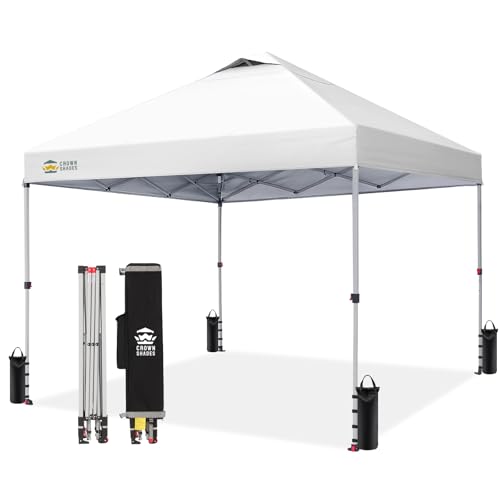
- Pop-Up Canopy Tents: The classic choice for shade. These have four legs and a canopy roof, often with optional side walls. Best for backyard parties, tailgating, and open-air picnics where bugs aren't a major concern. For a more enclosed option, a 10 x 10 canopy tent with sides offers wind and privacy protection.
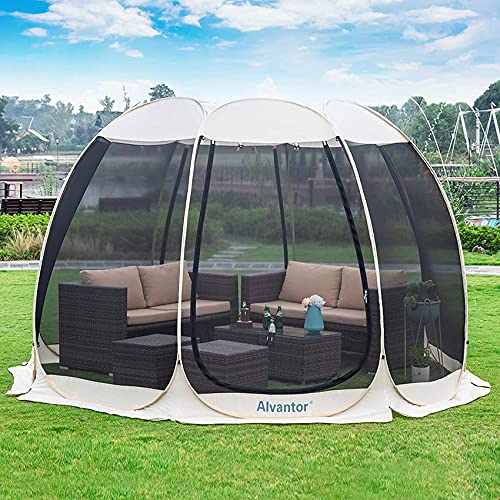
- Screen Houses / Mesh Tents: Fully enclosed with mesh walls and a floor. These are ideal for areas with mosquitoes, flies, or no-see-ums. You get a bug-free zone while still enjoying the view. Many easy set up screen tents double as picnic shelters.
- Beach Tents with Extended Floor: Typically low-profile and designed to block wind and sand. They often have a large front opening and a extended floor that acts as a clean play area. A pop-up beach tent sun shade shelter is a popular pick for coastal picnics.
- Inflatable / Bubble Tents: A newer category offering a unique experience. These use air beams instead of poles. They're sturdy and often very roomy, but heavier to pack. Consider an outdoor single tunnel inflatable bubble tent for a memorable glamping-style picnic.
- Convertible / Multi-Room Tents: Some larger picnic shelters offer a screen room plus a sleeping area, bridging the gap between day shelter and overnight camping. A 7-person 2-in-1 screen house connectent is a great example of this versatility.
Choosing the Right Size for Your Picnic
Size is the most personal decision. A 4-person tent is usually plenty for a couple wanting space to stretch out. For a family of four with a cooler and a small folding table, look at 6- to 8-person models. If you're hosting a larger group, a 10- or 12-person canopy gives everyone room to mingle. Always check the peak height — standing up comfortably is a luxury you'll appreciate. For those who want a shelter that can double as an overnight option, explore large tents and big tents that offer more livable space.
Remember that capacity ratings often assume people sitting shoulder-to-shoulder. If you plan to use chairs and a table, size up. A 10 x 20 pop up canopy tent can comfortably cover a picnic table and several chairs, making it a great choice for group gatherings.
Setup Tips for a Stress-Free Picnic
Even the easiest tent can be a headache if you rush. Here are a few practical pointers:
- Pick a level spot: Avoid slopes and depressions where water might pool. If you're on a beach, setting up a tent on the beach requires sand stakes or weight bags.
- Orient for shade: Think about the sun's path. In the morning, you may want the opening facing east; in the afternoon, a west-facing wall blocks the harshest rays.
- Secure it: Even a light breeze can turn a pop-up into a kite. Use the included stakes or add sandbags. For windy days, a 4-season tent with stove jack style is overkill, but guy lines help.
- Practice once at home: The first time you set up any new shelter, do it in your backyard. You'll learn the quirks without an audience.
- Consider a groundsheet: If your tent doesn't have a floor, a tarp or anti-condensation mat (for roof tents) can add comfort and protect against dampness.
Making Your Picnic Tent Last
A quality picnic tent can serve you for many seasons if you treat it well. Always clean and dry it thoroughly before storage — mold and mildew are the enemies of coated fabrics. Store it loosely in a cool, dry place, not compressed in a stuff sack for months. Check the poles and hubs for wear, and lubricate zippers with a silicone-based stick. If you camp in areas with harsh sun, a UV-blocking treatment can extend the life of the fabric. For more on tent longevity, see our guide on how long do tents last.
And if you're debating between a picnic tent and a traditional camping tent, our tent vs hammock comparison might help clarify your priorities. For those who want the ultimate in outdoor comfort, a luxury tent or glamping tent can elevate the experience.
Frequently Asked Questions
Can I use a picnic tent for overnight camping?
Some can, but most picnic tents are not designed for heavy rain or wind. They lack the structural rigidity and weatherproofing of a dedicated camping tent. If you might sleep in it, look for a model with a full rainfly and sturdy poles. A camping tent you can stand up in might be a better crossover choice.
Are pop-up tents really as easy as they say?
Yes, most pop-up picnic tents deploy in under a minute once you get the hang of the folding motion. The first few times can be comical, but it becomes second nature. Models like the easiest 1-person tent to set up are designed for absolute simplicity.
What's the best material for a picnic tent?
Polyester and nylon are the most common. Polyester is more UV-resistant and less prone to stretching when wet; nylon is lighter and packs smaller. Both can be coated with polyurethane or silicone for waterproofing. The debate between is nylon or polyester better for tents often comes down to your priority: durability vs. weight.
How do I keep a picnic tent cool?
Choose a light-colored canopy (reflects heat), set up in partial shade if possible, and open all vents. A reflective fly or a shade canopy add-on can drop the internal temperature significantly. Battery-operated fans are also a great addition for still days.
Can I use a picnic tent on a patio or deck?
Absolutely, but you'll need a way to anchor it. Use weight bags or sandbags on the legs instead of stakes. Some models come with tents that can be set up on concrete using specialized feet. A deck sunshade is another option for patios.
Ready to Elevate Your Outdoor Dining?
Browse our curated selection of picnic tents and shelters — from ultra-portable pop-ups to spacious screen houses. Find the perfect shade solution for your next adventure.
SHOP PICNIC TENTSFor more outdoor inspiration, explore our guides on camping foods, campfire menus, and camping locations. If you're planning a glamping trip, check out glamping sites and glamping pods.