Mosquito Tent Guide: Sleep Bug-Free in the Wild
If mosquitoes, gnats, and no-see-ums turn your camping trip into a battle, the right mosquito tent changes everything. This guide explains how mesh shelters work, what to look for, and how to choose a model that keeps you comfortable and bite-free.
Explore Mosquito TentsQuick Answer: A mosquito tent uses fine mesh panels to block biting insects while letting air circulate. For serious protection, choose 200–400 holes per square inch mesh, a freestanding or easy-to-stake frame, and a size that matches how you camp. Mesh alone does not provide warmth, so pair it with a solid outer tent for cold nights.
What Exactly Is a Mosquito Tent?
A mosquito tent is any camping shelter built with insect-blocking mesh as its primary barrier. Unlike a standard tent that relies on zipped fabric doors and windows, a mosquito tent often has large mesh panels on the walls, roof, or entire body. This design maximizes airflow while keeping flying and crawling insects outside. Many travelers use a mosquito tent as a lightweight sleeping shelter in warm climates, while others use a larger screen room as a bug-free lounge or dining area.
The concept is simple: mosquitoes and other biting insects are physically too large to pass through fine mesh. The smaller the mesh openings, the more insects you exclude. Standard mosquito netting typically has around 156 holes per square inch. No-see-um mesh, also called micro-mesh, goes up to 200–400 holes per square inch and blocks sand flies, midges, and other tiny biters that pass through coarser netting. If you camp near lakes, marshes, or rivers, micro-mesh is worth the upgrade.
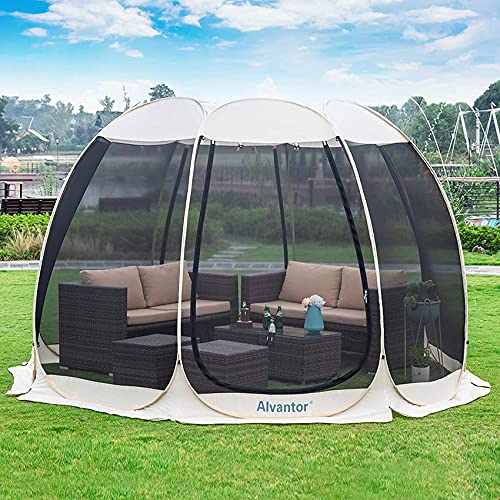
Mosquito tents come in several forms. Full sleeping tents with mesh inner walls are the most common. Pop-up mesh tents are freestanding and deploy in seconds, making them great for backpacking or quick trips. Screen houses and screen gazebos are larger structures that fit chairs and tables, creating a bug-free living room outdoors. There are also hammock tents with built-in bug nets and simple mosquito net tents that hang over a cot or sleeping pad.
Why Mosquito Protection Matters More Than You Think
Mosquitoes are not just annoying. They can carry diseases such as West Nile virus, dengue, and malaria in certain regions. Even when disease risk is low, bites cause itching, swelling, and lost sleep. A single sleepless night can ruin the next day of hiking or exploring. A mosquito tent removes that problem by creating a physical barrier between you and the insects.
Beyond health and comfort, a mosquito tent lets you enjoy your campsite after sunset. Instead of retreating to a stuffy car or cutting the trip short, you can sit inside a screen room, play cards, cook, or read while the bugs stay outside. That extra usable time is one of the most underrated benefits of mesh shelters.
For families camping with kids, a mosquito tent reduces the risk of bites and the fuss that comes with them. For solo campers, it provides a quiet, protected space to relax. For backpackers, a lightweight mesh inner tent can save weight compared with a full double-wall tent while still keeping insects out.
If you often camp in humid or tropical conditions, a mosquito tent is not a luxury—it is essential gear. Pair it with a reliable water filter and a basic first aid kit to stay safe and self-sufficient.
Types of Mosquito Tents: Which One Fits Your Camping Style?
Not all mosquito tents are the same. The right choice depends on how you camp, how many people you sleep, and whether you need a sleeping shelter or a hangout space.
1. Full Sleeping Tents with Mesh Inner Walls
These are standard camping tents where the inner body is mostly mesh. The rainfly covers the mesh when needed, but on dry nights you can leave the fly off for maximum ventilation. This is the most versatile option because it works in both warm and cool weather. Look for a model with a bathtub floor and taped seams if you expect rain. If you camp in wet conditions, compare features with a dedicated waterproof tent.
2. Pop-Up Mesh Tents
Pop-up mosquito tents use flexible poles that spring into shape when you unpack them. They are extremely fast to set up and often freestanding, so you can use them on decks, concrete, or wooden platforms. Many are designed for one or two people and pack small. They are ideal for backpacking, motorcycle camping, or quick overnight trips. The trade-off is that some pop-up models have limited headroom and fewer features than traditional tents.
3. Screen Houses and Screen Gazebos
A screen house is a large mesh shelter that fits chairs, a table, or even a cot. It creates a bug-free outdoor room where you can eat, socialize, or relax. These are popular for family camping, group trips, and base camps. Many screen houses have a waterproof roof and mesh walls, so they handle light rain while keeping insects out. They are heavier than sleeping tents, so they are best for car camping or glamping sites where weight is not a concern.
4. Hammock Tents with Built-In Bug Nets
Hammock camping has grown in popularity because it gets you off the ground and away from crawling insects. Many hammock tents include an integrated mosquito net that zips shut around you. These are lightweight and compact, but they require trees or a hammock stand. They are not ideal for open deserts or treeless beaches. If you want to compare hammocks and tents more broadly, see our tent vs hammock guide.
5. Cot Tents and Bed Nets
Some campers use a cot with a fitted mosquito net or a freestanding bed net that sits over a sleeping pad. These are minimal shelters that work well in cabins, screen porches, or warm-weather camps where rain is unlikely. They are not a substitute for a full tent in stormy conditions, but they are excellent for insect protection in dry climates.
Key Features to Look For in a Mosquito Tent
When comparing mosquito tents, focus on these features. They matter more than brand names or marketing claims.
Mesh Size and Material
Mesh is measured in holes per square inch. Standard mosquito netting is around 156 holes per square inch. No-see-um mesh is 200–400 holes per square inch and blocks smaller insects. Polyester mesh is durable and resistant to stretching. Nylon mesh is lighter but can sag over time. For the best protection in bug-heavy areas, choose no-see-um polyester mesh.
Floor and Bathtub Design
A mosquito tent with a fully enclosed floor prevents crawling insects from entering. Look for a bathtub floor, where the floor material extends several inches up the walls before the mesh begins. This design keeps ground moisture and insects out. Taped seams add water resistance. If the tent has no floor, it is better for lounging than sleeping in buggy areas.
Frame and Setup
Freestanding tents are easier to set up on hard ground or platforms. Dome and pop-up designs are usually freestanding. Tunnel tents and some cabin tents require stakes and guy lines. If you camp on concrete or wooden platforms, look for a model that can stand without stakes or use sandbags and weighted corners. For more on this, see our guide to tents that can be set up on concrete.
Ventilation and Weather Protection
Mesh provides excellent ventilation, but it offers no insulation and little rain protection. Many mosquito tents include a removable rainfly that covers the mesh during storms. Others have a solid roof with mesh walls. If you camp in rainy regions, choose a model with a full-coverage rainfly and a waterproof floor. For cold-weather trips, mesh alone is not enough—consider a four-season tent or a hot tent setup. See our winter tents guide for cold-weather options.
Size and Capacity
Tent capacity ratings assume you sleep shoulder-to-shoulder with no gear. If you want room for a sleeping pad, backpack, and some space to move, choose a tent rated for one more person than your group size. For example, two campers should use a three-person mosquito tent for comfort. For a detailed breakdown, read our tent size guide.
Doors and Zippers
Look for durable zippers that glide smoothly and do not snag mesh. A double-door design makes it easier to enter and exit without disturbing a partner. Some tents have a single D-shaped door, which is fine for solo campers. Ensure the door can be fully sealed—gaps at the bottom or sides let mosquitoes in.
How to Set Up a Mosquito Tent for Maximum Protection
Setup varies by model, but these steps apply to most mosquito tents.
- Choose a level, dry site. Avoid low spots where water pools. Clear rocks, twigs, and sharp objects that could puncture the floor.
- Lay out the tent and stakes. If the tent is freestanding, assemble the frame first. If it requires staking, secure the corners loosely before inserting poles.
- Assemble the poles and raise the tent. Follow the manufacturer's instructions. Do not force poles—stop if you feel resistance.
- Stake out guy lines. Guy lines improve stability in wind and help the mesh stay taut. A taut mesh is less likely to sag and create gaps.
- Add the rainfly if needed. If rain is expected, attach the rainfly and secure it. Leave a small gap for ventilation to reduce condensation.
- Seal the floor and check for gaps. Tuck the floor edges under the tent body. Zip all doors and close any vents that could let insects in.
- Do a final bug check. Before bed, inspect the mesh for holes and make sure no insects are inside. Shake out sleeping bags and gear before bringing them in.
If you are setting up in rain, see our tips for setting up a tent in the rain. For beach camping, read setting up a tent on the beach. For platform camping, see setting up a tent on a platform.
Mosquito Tent vs Other Camping Shelters
Mosquito tents overlap with several other shelter types. Here is how they compare.
Mosquito Tent vs Standard Camping Tent
A standard camping tent usually has solid fabric walls with mesh windows and doors. It offers better privacy and warmth than a pure mesh tent. A mosquito tent, by contrast, prioritizes airflow and insect protection. Many modern tents combine both: mesh inner walls with a solid rainfly. If you want one tent for all seasons, a three-season tent with mesh walls and a full rainfly is the best compromise.
Mosquito Tent vs Screen House
A screen house is essentially a large mosquito tent for sitting, not sleeping. It has mesh walls and often a waterproof roof, but usually no floor. Screen houses are great for group meals and lounging. Mosquito tents for sleeping have floors and are sized for sleeping pads. Some campers bring both: a sleeping tent and a screen house for daytime use.
Mosquito Tent vs Tarp Tent
A tarp tent is a lightweight shelter made from a single tarp or shaped fabric. It may have mesh inner walls or be a simple tarp shelter. Tarp tents are popular with ultralight backpackers. They offer less insect protection unless they include a bug net inner. A dedicated mosquito tent is easier to seal and usually more comfortable for buggy environments.
Mosquito Tent vs Hammock Tent
A hammock tent suspends between trees and includes a bug net. It is excellent for warm, humid areas with trees. A mosquito tent on the ground works where trees are absent. If you camp in varied terrain, a ground tent is more versatile. For a full comparison, see our tent vs hammock article.
Best Use Cases for a Mosquito Tent
Mosquito tents shine in specific situations. If any of these apply to you, a mesh shelter is worth considering.
- Warm, humid climates: Tropical and subtropical regions have high mosquito pressure. A mesh tent with no-see-um netting keeps you comfortable.
- Near water: Lakes, rivers, marshes, and beaches attract mosquitoes and biting flies. A mosquito tent protects you while you sleep.
- Summer camping: Even in temperate zones, summer nights can be buggy. A mesh inner tent with a rainfly gives you flexibility.
- Backpacking and ultralight trips: Pop-up mesh tents and hammock tents save weight while keeping bugs out.
- Family camping: A screen house gives kids a bug-free place to play and eat.
- Festival camping: If you camp at festivals where bugs and crowds are both factors, a festival tent with mesh panels can help.
- Glamping: Even luxury camps can have insects. A glamping dome or safari tent with mesh windows keeps the experience comfortable.
If you are new to camping, start with our first-time camping tips and camping FAQ for broader guidance.
Maintaining and Repairing Your Mosquito Tent
Mesh is delicate. Small tears can let insects in, so inspect your tent regularly. Clean the mesh with a soft brush and mild soap. Avoid harsh chemicals that weaken fibers. Let the tent dry completely before storing it to prevent mold. Store it loosely in a breathable sack, not compressed in a stuff sack for long periods.
For minor holes, use mesh repair patches or seam grip. For larger tears, replace the panel or use a tent repair kit. Check zippers and lubricate them with silicone spray if they stick. Replace worn guy lines and stakes as needed. A well-maintained mosquito tent can last many seasons. For more on tent longevity, see how long do tents last.
Common Mistakes to Avoid with Mosquito Tents
- Choosing coarse mesh: Standard netting may not block no-see-ums. If you camp near water or in the tropics, choose micro-mesh.
- Ignoring the floor: A tent without a floor lets crawling insects in. Always choose a model with a bathtub floor for sleeping.
- Not sealing gaps: Even a small gap in the door or floor can let mosquitoes in. Zip up completely and tuck the floor edges.
- Using mesh in cold weather: Mesh provides no insulation. For cold nights, use a solid tent or a hot tent setup. See winter camping for details.
- Pitching on rough ground: Sharp rocks and twigs puncture floors. Clear the site or use a footprint.
- Forgetting the rainfly: Mesh alone does not keep rain out. Always bring the rainfly if rain is possible.
- Overcrowding: A tent rated for two people is tight for two people plus gear. Size up for comfort.
Frequently Asked Questions About Mosquito Tents
What is a mosquito tent?
A mosquito tent is a shelter built with fine mesh panels that block mosquitoes, gnats, and other biting insects while allowing airflow and visibility. Some models are full sleeping tents, while others are screen rooms or pop-up nets designed for lounging and dining.
Does mesh size matter for mosquito protection?
Yes. Mesh with 200 to 400 holes per square inch (often labeled no-see-um or micro-mesh) keeps out the smallest biting insects, including sand flies. Standard mosquito netting is usually 156 holes per square inch, which stops mosquitoes but may allow smaller gnats through.
Can I use a mosquito tent in winter?
Mesh tents offer no insulation, so they are not ideal for cold-weather camping on their own. Some campers use a mesh inner tent inside a four-season outer shell. If you camp in winter, look for a winter tent with solid fabric walls and pair it with an insulated sleeping pad.
How do I set up a mosquito tent without stakes?
Pop-up mosquito tents are freestanding and can be set up on decks, concrete, or platforms without stakes. For standard dome models, use sandbags, guy lines tied to heavy objects, or weighted corner pockets when the ground will not accept stakes. See our guide to tents that can be set up on concrete.
Are mosquito tents worth it?
If you camp in buggy areas, yes. A mosquito tent prevents bites, improves sleep, and lets you enjoy your campsite after sunset. For dry, cold, or bug-free environments, a standard tent may be sufficient. For most warm-weather camping, a mosquito tent is a worthwhile investment.
Related Reading
- Waterproof Tents: What to Look For
- Tent vs Hammock: Which Is Better for You?
- How to Choose Tent Size
- Winter Tents Guide
- Camping Water Filters Technology
- First Aid for Camping
- Leave No Trace Principles
- Best Time to Camp
Bottom Line: A mosquito tent is one of the simplest upgrades you can make for warm-weather camping. Choose micro-mesh for maximum protection, a bathtub floor for crawling insects, and a freestanding or easy-to-stake frame for your terrain. With the right shelter, you can enjoy the outdoors without becoming a meal.