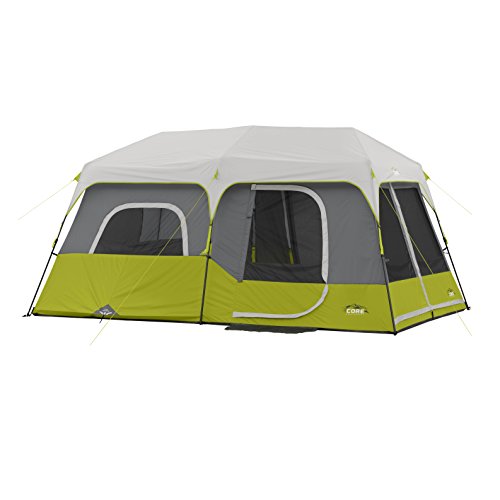
Camping Pop Up Tent: The Complete Buyer's Guide
Discover how instant pop up tents work, what to look for before buying, and which features matter most for stress-free camping. Perfect for beginners and seasoned campers who value speed and simplicity.
START THE GUIDEWhat Is a Camping Pop Up Tent?
A camping pop up tent is a self-supporting shelter that deploys almost instantly thanks to a pre-assembled flexible frame. Instead of threading poles through sleeves or assembling a hub system, you simply remove the tent from its carry bag, toss it into the air (or unfold it on the ground), and the frame springs into shape. Within seconds, you have a functional shelter ready for use.
These tents are sometimes called instant pop up tents or easy set up tents, and they have become increasingly popular among car campers, festival-goers, and families who want to minimize setup frustration. The appeal is obvious: no more wrestling with poles after a long drive, no more lost instructions, and no more arguments about which pole goes where.
Pop up tents come in a wide range of sizes, from compact smallest pop up tents designed for solo backpackers to spacious 6-man pop up tents built for family camping trips. Some models even offer standing height, such as pop up tents you can stand up in, which bridge the gap between traditional cabin tents and instant shelters.
How Pop Up Tents Work
Understanding the mechanism helps you appreciate why these tents are so fast to deploy and why folding them back can feel tricky at first. The frame is typically made from flexible fiberglass or spring steel rods that are pre-bent into the shape of the tent. These rods are sewn into sleeves or pockets along the tent fabric.
The Deployment Process
- Remove from bag: Take the tent out of its carry bag and lay it flat on a clean surface.
- Release the strap: Most models have a strap or tie holding the tent compacted. Unfasten it carefully.
- Let it spring open: Step back and allow the frame to unfold. Some tents pop open on their own; others need a gentle toss or shake.
- Secure the shape: Push out the walls, stake down the corners, and attach the rainfly if included.
The Folding Process
Folding a pop up tent back into its bag is the part that frustrates most new owners. The technique varies slightly by model, but the general approach is to push the frame into a U-shape or figure-eight, then fold the two loops together. Practicing at home before your trip is strongly recommended. Many manufacturers print a diagram on the carry bag or include a link to a video tutorial.
If you struggle with folding, consider a quick set up tent that uses a different instant mechanism, such as a hub-and-pole system that collapses more intuitively. Alternatively, a easy set up tent with screen room might offer more living space with a similarly simple setup.
Pros and Cons of Camping Pop Up Tents
Like any gear choice, pop up tents involve trade-offs. Here is an honest look at what you gain and what you give up.
Advantages
- Extremely fast setup, often under 60 seconds
- No separate poles to lose or forget
- Ideal for beginners and casual campers
- Great for festivals and short trips
- Minimal physical effort required
- Consistent setup every time
Limitations
- Bulkier and heavier when packed
- Folding back can be confusing initially
- Less stable in high winds than dome tents
- Limited internal space in compact models
- Frame can wear out with heavy use
- Fewer premium features compared to expedition tents
For campers who prioritize convenience and camp in mild conditions, pop up tents are an excellent choice. For those facing severe weather or needing to hike long distances, a traditional backpacking tent like a two person backpacking tent or one person backpacking tent may be more appropriate.
Buying Guide: Key Features to Evaluate
Not all pop up tents are created equal. Before you buy, evaluate these critical features to ensure the tent matches your camping style and conditions.
1. Frame Material and Durability
Most pop up tent frames use fiberglass or spring steel. Fiberglass is lighter and resistant to corrosion, while spring steel is more durable but heavier. Entry-level models often use basic fiberglass rods, while mid-range and premium options may use reinforced composites or aircraft-grade aluminum for better longevity. If you plan to camp frequently, investing in a higher-tier frame pays off over time.
2. Fabric and Waterproofing
The tent body is typically made from polyester or nylon. Polyester resists UV damage better, while nylon is lighter and more packable. Look for a hydrostatic head rating of at least 1,500mm for light rain and 3,000mm or more for sustained wet weather. Taped seams and a full-coverage rainfly are essential for reliable waterproofing. If you often camp in wet conditions, consider a pop up tent for cold and rainy weather designed with enhanced weather protection.
3. Ventilation
Condensation is a common problem in any tent. Mesh panels, roof vents, and breathable fabrics help reduce moisture buildup. Pop up tents with large mesh doors and windows offer better airflow but may sacrifice warmth in cold conditions. Balance ventilation with insulation based on your typical camping season.
4. Floor Material and Bathtub Design
A bathtub floor has raised edges that prevent water from seeping in through the seams. This is a hallmark of quality construction. Look for a floor made from durable polyethylene or coated polyester with welded or taped seams.
5. Doors and Accessibility
Most pop up tents have a single D-shaped door. Larger models may include two doors for convenience. Consider the door height and width, especially if you have mobility concerns or carry bulky gear.
6. Packed Size and Weight
Pop up tents are generally bulkier than traditional tents of the same capacity. If you drive to your campsite, this is rarely an issue. If you need to carry the tent any distance, compare packed dimensions and weight carefully. A 2 person compact portable pop up tent may be a better fit for shorter treks.
7. Included Accessories
Check what comes in the box: stakes, guy lines, rainfly, carry bag, and instructions. Some manufacturers include a footprint or groundsheet, which adds value. Others sell these separately. A tent with a well-designed carry bag that accommodates the folded tent easily is worth prioritizing.
Size and Capacity Options
Pop up tents are available in capacities ranging from solo shelters to large family models. Here is a breakdown to help you choose.
| Capacity | Best For | Typical Features |
|---|---|---|
| 1–2 Person | Solo campers, couples, backpackers | Lightweight, compact, minimal vestibule |
| 3–4 Person | Small families, friends, car campers | More headroom, sometimes two doors |
| 5–6 Person | Families, group camping | Standing height options, room dividers |
| 8+ Person | Large families, base camps | Multiple rooms, screen porches, cabin style |
For solo trips, a 2 person compact portable pop up tent offers a good balance of space and portability. Couples may prefer a 4 person waterproof pop up tent for extra room. Families often gravitate toward 6-man pop up tents for camping or larger models with room dividers.
If standing height is important, explore camping tents you can stand up in. Some pop up models now offer this feature, bridging the gap between instant setup and cabin-style comfort.
Weather Resistance: What to Expect
Pop up tents can handle typical three-season camping conditions when properly equipped. However, they are not designed for extreme weather. Understanding their limits helps you camp safely and comfortably.
Rain
A quality pop up tent with a full rainfly, taped seams, and a bathtub floor will keep you dry in moderate rain. Avoid models with partial rainflies or unsealed seams. If heavy rain is forecast, consider a tent with a higher hydrostatic head rating or a pop up tent designed for cold and rainy weather.
Wind
Pop up tents have a larger profile than low-profile dome tents, making them more susceptible to wind. Always stake down all corners and use guy lines in exposed areas. In strong gusts, a traditional dome tent or a 4 season tent with stove jack offers better stability.
Cold
Pop up tents provide minimal insulation. In cold weather, you will need a suitable sleeping bag for camping and an insulated sleeping pad. Some campers add a heater for a tent for extra warmth, but always follow safety guidelines and ensure proper ventilation.
Sun and Heat
Pop up tents with mesh panels offer good airflow in hot weather. A shade pop up canopy over your tent can reduce heat buildup. Some models feature blackout fabric, such as a black out pop up double skin 3 man tent, which blocks sunlight and helps you sleep longer in the morning.
Setup and Takedown Tips
Mastering your pop up tent takes a little practice, but these tips will shorten the learning curve.
Before Your Trip
- Practice setting up and folding the tent at home at least once.
- Check that all stakes, guy lines, and the rainfly are present.
- Apply a seam sealer to critical seams if the tent is new or has been stored for a while.
- Watch a video tutorial for your specific model if the included instructions are unclear.
At the Campsite
- Choose a level, cleared area free of rocks and sharp objects.
- Lay the tent flat and unfasten the strap slowly to avoid a sudden pop.
- Stake down the corners before attaching the rainfly.
- Orient the door away from prevailing wind and rain.
- Use guy lines in windy conditions.
Packing Up
- Remove all stakes and shake out debris.
- Fold the tent according to the manufacturer's diagram.
- Do not force the frame; if it resists, adjust your grip and try again.
- Store the tent loosely in its bag to avoid permanent creases in the fabric.
If you camp in wet conditions, a guide to setting up a tent in the rain can help you avoid a soggy experience. For cold-weather trips, see setting up a tent in the snow.
Pop Up Tents vs Traditional Tents
How do pop up tents compare to conventional dome or cabin tents? Here is a side-by-side look.
| Factor | Pop Up Tent | Traditional Tent |
|---|---|---|
| Setup Time | Under 1 minute | 5–15 minutes |
| Packed Size | Bulky, circular shape | Compact, cylindrical |
| Weight | Heavier for same capacity | Lighter, especially backpacking models |
| Wind Stability | Moderate | Good to excellent |
| Durability | Good with care | Excellent with premium materials |
| Best Use | Car camping, festivals, short trips | Backpacking, expeditions, harsh weather |
For car campers and families, the convenience of a pop up tent often outweighs the bulk. For backpackers, a lightweight traditional tent remains the better choice. If you need a tent for the back of your truck or SUV, explore options like a pop up tent for back of pickup truck or a tent for the back of a SUV.
Frequently Asked Questions
How long does a camping pop up tent take to set up?
Most pop up tents can be set up in under 60 seconds. The pre-assembled frame unfolds and locks into place, requiring no separate poles or complex instructions. Taking down is equally fast once you learn the folding technique.
Are pop up tents good for rain and wind?
Quality pop up tents handle moderate rain and wind well when properly anchored. Look for models with taped seams, a rainfly, and a hydrostatic head rating suitable for your climate. They are not designed for extreme weather.
Can you stand up in a pop up tent?
Some large pop up tents offer standing height, particularly cabin-style instant tents. Most compact pop up tents require you to crawl or stoop. Check the peak height specification before buying if standing room matters to you.
How do you fold a pop up tent back into its bag?
Folding a pop up tent involves pushing the frame into a figure-eight or U-shape, then collapsing it flat. Practice at home before your trip. Most manufacturers include a diagram or video link with the tent.
Are pop up tents suitable for winter camping?
Standard pop up tents are three-season shelters and not ideal for winter. For cold-weather camping, you need a four-season tent with a stove jack or a hot tent setup. See our winter camping guide for more information.
Can I use a pop up tent for backpacking?
Pop up tents are generally too bulky and heavy for backpacking. For hiking trips, choose a lightweight backpacking tent such as a two person backpacking tent or a one person backpacking tent.
Ready to Choose Your Pop Up Tent?
Now that you understand the features that matter, browse our recommended camping pop up tents and find the perfect match for your adventures.
VIEW RECOMMENDED TENTS