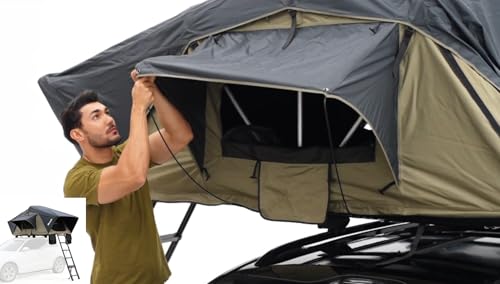
Overland Tent Guide: Rooftop, Truck Bed & SUV Camping Tents
Discover the best overland tents for vehicle-based camping. Compare rooftop tents, truck bed tents, and SUV tents to find your perfect match.
Shop Top Overland Tents →Overland camping is the ultimate blend of adventure and comfort. Whether you're a weekend warrior or planning a cross-country expedition, the right overland tent transforms your vehicle into a mobile basecamp. This guide covers everything from rooftop tents to truck bed tents, helping you choose the best shelter for your overland journey.
What Is an Overland Tent?
An overland tent is specifically designed for vehicle-based camping, offering quick setup, durability, and comfort in remote locations. Unlike traditional ground tents, overland tents mount on your vehicle—whether on the roof, in the truck bed, or attached to an SUV. They elevate you off the ground, providing better protection from wildlife, uneven terrain, and moisture. For serious adventurers, an overland tent is a game-changer, especially when combined with a tent box for organized gear storage.
Types of Overland Tents
Rooftop Tents (RTT)
- Best for: SUVs, trucks, and off-road vehicles
- Setup time: 1–5 minutes
- Price range: $800–$2,500
- Pros: Quick setup, off-ground, integrated mattress
- Cons: Reduces fuel economy, roof load limit
Popular for overlanding, hard-shell rooftop tents offer the fastest setup and best weather protection.
Truck Bed Tents
- Best for: Pickup trucks with 5–8 ft beds
- Setup time: 10–20 minutes
- Price range: $150–$500
- Pros: Affordable, keeps gear secure, easy to store
- Cons: Requires bed space, less insulation
For truck owners, tents for the back of your truck are a cost-effective entry into overland camping.
Overland Tent Comparison
| Feature | Rooftop Tent | Truck Bed Tent | SUV Tent |
|---|---|---|---|
| Mounting | Roof rack / crossbars | Truck bed | Rear hatch / hitch |
| Sleeping Capacity | 2–4 people | 2–3 people | 2–5 people |
| Setup Speed | ⭐️⭐️⭐️⭐️⭐️ (1–5 min) | ⭐️⭐️⭐️ (10–20 min) | ⭐️⭐️⭐️⭐️ (5–10 min) |
| Weather Protection | Excellent (wind & rain) | Good | Very Good |
| Price Range | $800–$2,500 | $150–$500 | $200–$700 |
How to Choose the Right Overland Tent
Vehicle Compatibility
Check your vehicle's roof load rating (typically 150–220 lbs) for rooftop tents. For truck bed tents, measure your bed length and width. SUV tents must fit your rear hatch design. Always verify compatibility before purchasing.
Learn more about tents for the back of an SUV and rooftop tents for trucks.
Seasonality & Weather
3-season tents work for spring through fall, while 4-season tents handle snow and high winds. If you plan to camp in winter, consider an insulated tent or a model with a stove jack for cold-weather comfort.
Top Overland Tent Features to Look For
🔹 Quick Setup
Hard-shell rooftop tents set up in under 60 seconds. Pop-up and inflatable designs also save time and energy after a long drive.
🔹 Durability
Look for 600D or 420D ripstop polyester, aluminum frames, and reinforced stitching. These materials withstand harsh overland conditions.
🔹 Comfort
Integrated high-density foam mattresses, anti-condensation mats, and enough headroom to sit up make overnight stays much more enjoyable.
🔹 Storage & Accessories
Annex rooms, awnings, and shoe bags add living space. For longer trips, consider a tent storage bag to keep gear organized.
Overland Tent Setup & Maintenance
Proper setup and maintenance extend the life of your overland tent. Always park on level ground, use wheel chocks, and follow the manufacturer's instructions. For rooftop tents, ensure your roof rack is securely fastened and within load limits. After each trip, clean the tent with mild soap and water, dry completely, and store in a tent storage bag to prevent mold and UV damage. Regular maintenance also includes checking zippers, seams, and fabric for wear and tear.
Final Overland Camping Tips
Ready to hit the trail? An overland tent opens up a world of remote camping possibilities. Pair your tent with essential overland gear like a power bank, portable power station, and a camping cooler to stay comfortable off-grid. Always practice Leave No Trace principles and check local regulations before setting up camp.
Related Guides: Camping Tent · How to Choose Tent Size · Tent vs Hammock · Camping Gear · Camping Styles