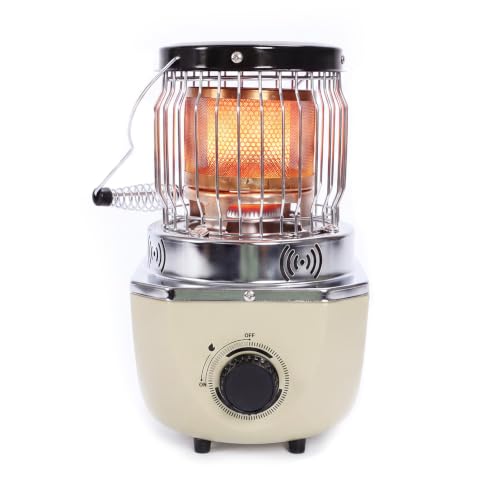
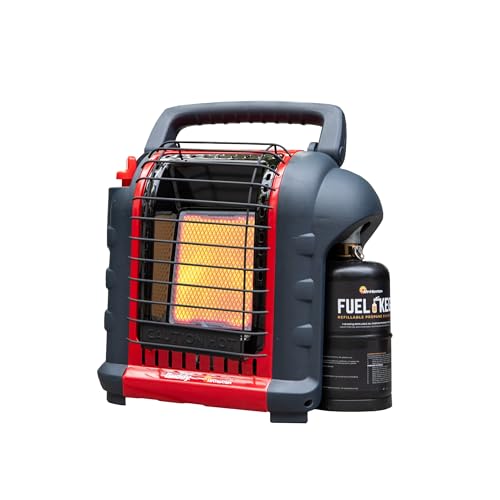
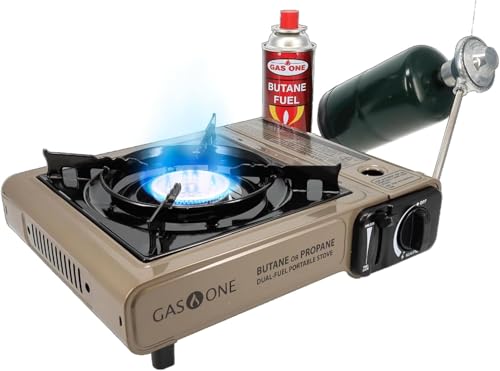
Butane Heater for Camping: Stay Warm & Safe
Discover the best butane heaters for tents, RVs, and outdoor shelters. Learn how to choose the right model, understand safety features, and get expert tips for cold-weather camping.
A butane heater is one of the most efficient and portable solutions for staying warm during winter camping trips. Unlike propane, butane burns cleaner and produces consistent heat even in moderate cold, making it a favorite among backpackers and car campers alike. In this comprehensive guide, we’ll cover everything you need to know: from safety protocols and fuel efficiency to performance comparison and top-rated models.
What Is a Butane Heater & How Does It Work?
Core Technology
A butane heater uses a pressurized canister of isobutane or n-butane gas. When ignited, a catalytic burner or ceramic plate produces radiant heat without an open flame (in most models).
- Fuel type: Butane (C₄H₁₀) – high energy density
- Ignition: Piezo or battery-powered spark
- Heat output: Typically 2,000 – 10,000 BTU
- Runtime: 2 – 8 hours per canister (depends on setting)
Why Butane?
- Clean burn: Minimal odor and soot
- Portability: Lightweight canisters (often 8oz or 16oz)
- Cost-effective: Lower price per BTU than propane in many regions
- All-weather performance: Works down to about 32°F (0°C) with proper canister
For extremely cold conditions, consider a winter camping heater with blended fuel.
Butane Heater Safety: Essential Rules
Safe Usage Guidelines
- Ventilation: Keep a window or vent open (at least 1–2 inches).
- Distance: Maintain at least 3 feet from flammable materials (tent walls, sleeping bags, clothing).
- Tip-over protection: Choose models with auto shut-off if tilted.
- Oxygen depletion sensor (ODS): Automatically shuts off when oxygen levels drop below 18%.
- Storage: Always disconnect canister when not in use. Store outside living area.
Emergency Preparedness
- Keep a camping first aid kit nearby.
- Install a battery-operated CO alarm in your tent or camper.
- Know the signs of CO poisoning: headache, dizziness, nausea, confusion.
- Have a fire extinguisher rated for gas fires.
- Practice campfire safety rules even with gas heaters.
Performance: Butane vs. Propane vs. Electric
| Feature | Butane Heater | Propane Heater | Electric Heater |
|---|---|---|---|
| Portability | ⭐⭐⭐⭐ (lightweight canisters) | ⭐⭐⭐ (heavier cylinders) | ⭐ (requires power source) |
| Heat Output (BTU) | 2,000 – 10,000 | 4,000 – 20,000+ | 1,500 – 5,000 (plug-in) |
| Cold-Weather Performance | Good down to 32°F (0°C) | Excellent down to -20°F (-29°C) | Unlimited (if power available) |
| Fuel Cost (per hour) | ~$0.50 – $1.00 | ~$0.60 – $1.20 | ~$0.15 – $0.30 (grid) |
| Indoor Safety | Requires ventilation + ODS | Requires ventilation + ODS | Safer (no combustion) |
Pros and Cons of Butane Heaters
✅ Advantages
- Compact and lightweight – easy to pack for backpacking gear.
- Clean combustion – leaves minimal soot.
- Quiet operation – no noisy fan.
- Instant heat – no warm-up time.
- Widely available fuel canisters.
❌ Disadvantages
- Not suitable for extreme cold (below freezing without blend).
- Fuel canisters can be difficult to recycle.
- Requires careful ventilation to avoid CO poisoning.
- Higher fuel cost than propane in some areas.
- Limited runtime per canister (2–8 hours).
How to Choose the Right Butane Heater
Key Features to Look For
- BTU Rating: For tents (up to 4-person) – 3,000–6,000 BTU is sufficient. For larger RVs or shelters, choose 8,000+ BTU.
- Oxygen Depletion Sensor (ODS): Mandatory for tent use.
- Tip-over shutoff: Automatically cuts gas if knocked over.
- Ignition type: Piezo (built-in spark) or battery-assisted.
- Heat settings: Adjustable low/medium/high for flexibility.
- Compactness: Look for foldable or low-profile designs for easy storage.
Fuel Considerations
- Canister size: 8oz (227g) is standard; 16oz (453g) lasts longer.
- Blended fuels: Isobutane-propane mix works better below freezing.
- Compatibility: Ensure the heater uses your preferred canister thread (usually EN 417).
- Efficiency: Higher BTU doesn't always mean better – match to your space.
For more tips on staying warm, see our guide on how to stay warm in winter.
Using a Butane Heater in a Tent
- Placement: Always place the heater on a flat, stable, non-flammable surface (e.g., a ceramic tile or metal sheet).
- Clearance: Keep at least 3 feet (1 meter) away from sleeping bags, tent walls, and fabric.
- Ventilation: Open a vent or window at least 2 inches (5 cm) to allow fresh air intake and CO exhaust.
- Monitoring: Never sleep with the heater running. Use it to warm the tent before bedtime and turn it off before sleeping.
- Carbon monoxide detector: Install a battery-operated CO alarm inside the tent.
For more shelter tips, read our guide on insulated tent and hot tent camping.
Maintenance & Storage Tips
After Each Use
- Turn off the gas valve and allow the heater to cool completely.
- Remove the canister and store it in a cool, dry place (never inside a hot car).
- Wipe the surface with a dry cloth – avoid water ingress.
- Inspect the O-ring seal on the canister connection for cracks.
Long-Term Storage
- Store canisters upright in a well-ventilated area, away from sunlight and heat sources.
- Never store butane near flammable materials.
- Check expiration dates on canisters (usually 2–3 years).
- Test the ignition before each trip to ensure reliable spark.
FAQs About Butane Heaters
Can I use a butane heater inside a tent?
Yes, but only with proper ventilation and an oxygen depletion sensor (ODS). Never use it while sleeping.
How long does a butane canister last?
A standard 8oz (227g) canister lasts 2–4 hours on high, 4–8 hours on low, depending on the heater's BTU rating.
Is butane safer than propane?
Both are safe when used correctly. Butane burns cleaner and is more portable, but propane performs better in extreme cold. Both require ventilation.
What is the best butane heater for camping?
The best model depends on your tent size and climate. Look for a heater with ODS, tip-over protection, and adjustable heat settings. See our recommended products below.